


Top 3 Recommended Policies

Pennsylvania’s poultry industry is a high-stakes business with risks ranging from animal disease to environmental factors. Poultry house insurance offers a critical safety net that covers everything from property damage to revenue loss. In a state where poultry tops agricultural revenue according to recent USDA data, understanding your insurance options and how they work in synergy with current biosecurity practices is imperative.
The need for robust insurance solutions is underlined by ongoing challenges in the industry, including avian influenza outbreaks and the careful measures taken to maintain farm biosecurity. Pennsylvania’s proactive stance in testing, monitoring, and disease prevention makes it essential to have coverage that adapts to these challenges. This article provides a detailed look at poultry house insurance, outlines its importance, and offers insights into the evolving landscape of Pennsylvania’s poultry industry.
Understanding Pennsylvania’s Poultry Industry Landscape
Pennsylvania has undergone a significant shift in its agricultural profile. Once dominated by dairy operations, recent statistics reveal that poultry has overtaken dairy as the top revenue-generating agricultural sector (USDA, 2022). This shift has reshaped the industry and brought along new challenges unique to poultry farming.
The rise in poultry production has spurred farmers to innovate constantly in animal health management and biosecurity. As the industry grows, so does the risk of disease outbreaks and other unforeseen losses. Such challenges have fostered the need for specialized insurance packages that not only offer traditional property and liability coverage but also address losses stemming from disease outbreaks and necessary proactive testing measures.
With the poultry industry now at the forefront of Pennsylvania's agricultural success, insurance providers are keenly attuned to the specific hazards that farmers face. The sector's rapid growth means that policies need to be both comprehensive and flexible, ensuring that farmers' investments are safeguarded against the unpredictable nature of farm operations.
In addition to insurance considerations, the poultry industry in Pennsylvania has also seen a surge in technological advancements that enhance productivity and efficiency. Farmers are increasingly adopting automation technologies, such as climate control systems and feeding robots, to optimize the living conditions for their flocks. These innovations not only improve animal welfare but also help in managing labor costs, which are a significant concern in the agricultural sector. Furthermore, the integration of data analytics allows farmers to monitor growth rates and health indicators in real-time, enabling more informed decision-making and proactive management strategies.
The environmental impact of poultry farming is another critical aspect that has gained attention. As the industry expands, there is a growing emphasis on sustainable practices to mitigate the ecological footprint of poultry operations. Many farmers are exploring methods such as rotational grazing and waste recycling to enhance soil health and reduce nutrient runoff. These practices not only contribute to environmental sustainability but also resonate with consumers who are increasingly concerned about the origins of their food and the practices behind its production. The intersection of technology, sustainability, and consumer awareness is shaping the future of Pennsylvania's poultry industry, making it a dynamic and evolving sector within the state's agricultural landscape.
Key Risks and Challenges in Poultry Farming
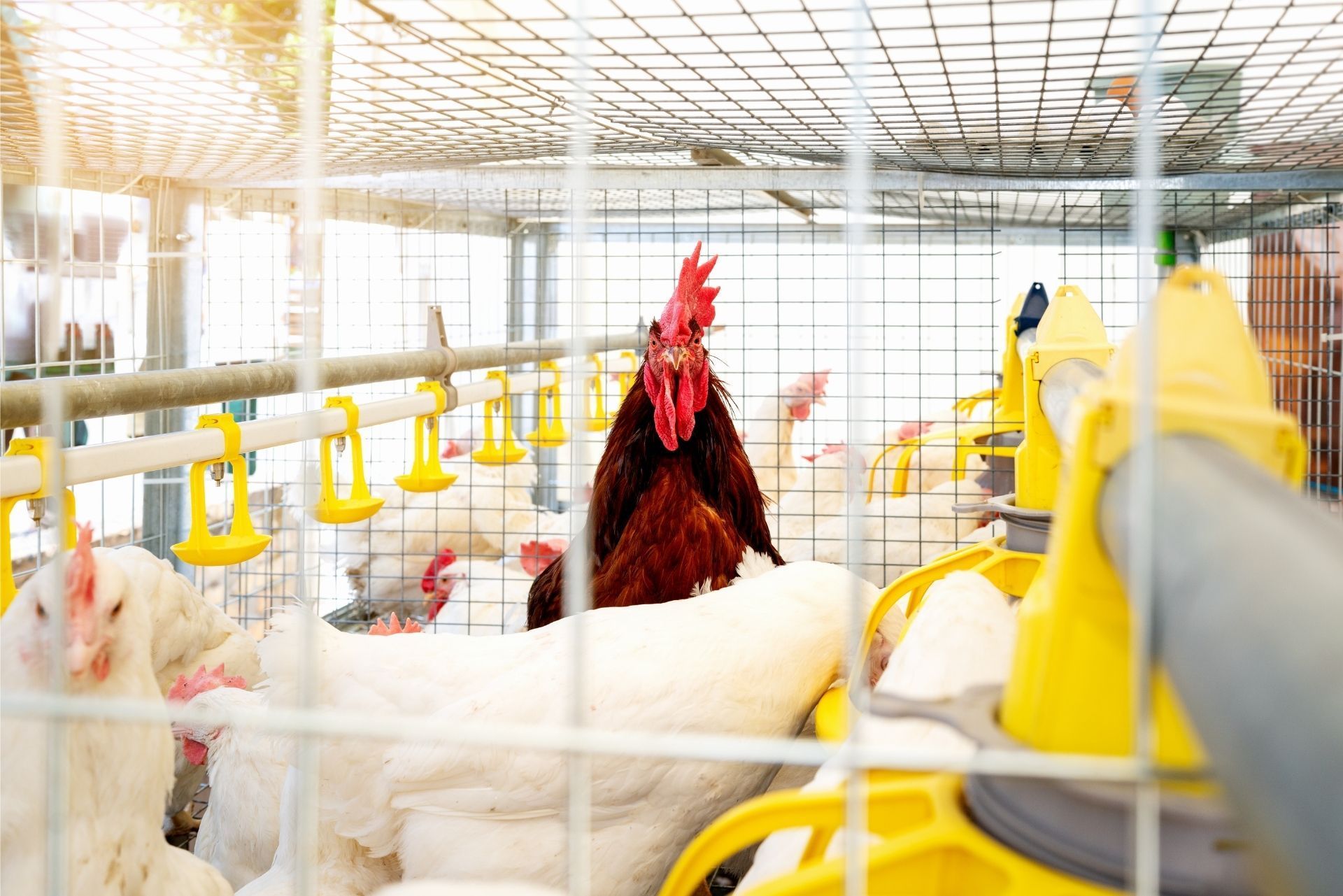
One of the primary risks that poultry farmers contend with is the threat of avian influenza. The spread of this highly infectious virus has led to massive losses and mandatory culled flocks nationally, with recent reports indicating that it has been a significant burden on the industry as seen in studies by Penn State University. Insurance policies need to cover not only the immediate physical damage but also the broader economic impacts associated with disease outbreaks.
Additionally, Pennsylvania farmers have experienced unique challenges tied to biosecurity breaches. The spread of disease is not merely a local concern-it can rapidly escalate if proper preventive measures are not in place. This challenge stresses the importance of enhanced biosecurity measures, testing protocols, and continual monitoring to prevent the disease from taking hold. The industry’s proactive stance on these issues calls for insurance policies that recognize and integrate these practices as essential risk management tools.
Another challenge in this sector is ensuring that recovery mechanisms are swift and effective when an outbreak occurs. The financial stakes are high, impacting not just the individual farms, but the broader agricultural industry and local economies that depend on these operations.
Biosecurity and Its Impact on Insurance Coverage
Biosecurity is at the heart of mitigating risks in poultry operations. Effective biosecurity reduces the risk of disease spread by incorporating strategies ranging from isolated rearing facilities to strict visitor protocols. Experts from the Pennsylvania Department of Agriculture emphasize that biosecurity on farms goes hand in hand with regular testing and monitoring steps to prevent animal disease. This preventive approach is critical when assessing insurance needs.
Poultry house insurance policies are often designed with biosecurity measures in mind. Insurers may reward farms that implement stringent testing and monitoring procedures with lower premiums or additional coverage options for disease-related losses. In an environment where 50.4 million birds have been lost nationally due to avian influenza either directly or indirectly (Penn State University), adopting best practices in biosecurity can be a lifesaver-both for the birds and for farm owners’ financial stability.
The link between biosecurity and insurance is strong. Rating agencies and insurance underwriters now integrate data on biosecurity practices when calculating risk profiles for poultry operations. This means that a farm’s commitment to preventative measures can significantly influence policy terms and claim outcomes.
Policy Inclusions and Benefits of Poultry House Insurance
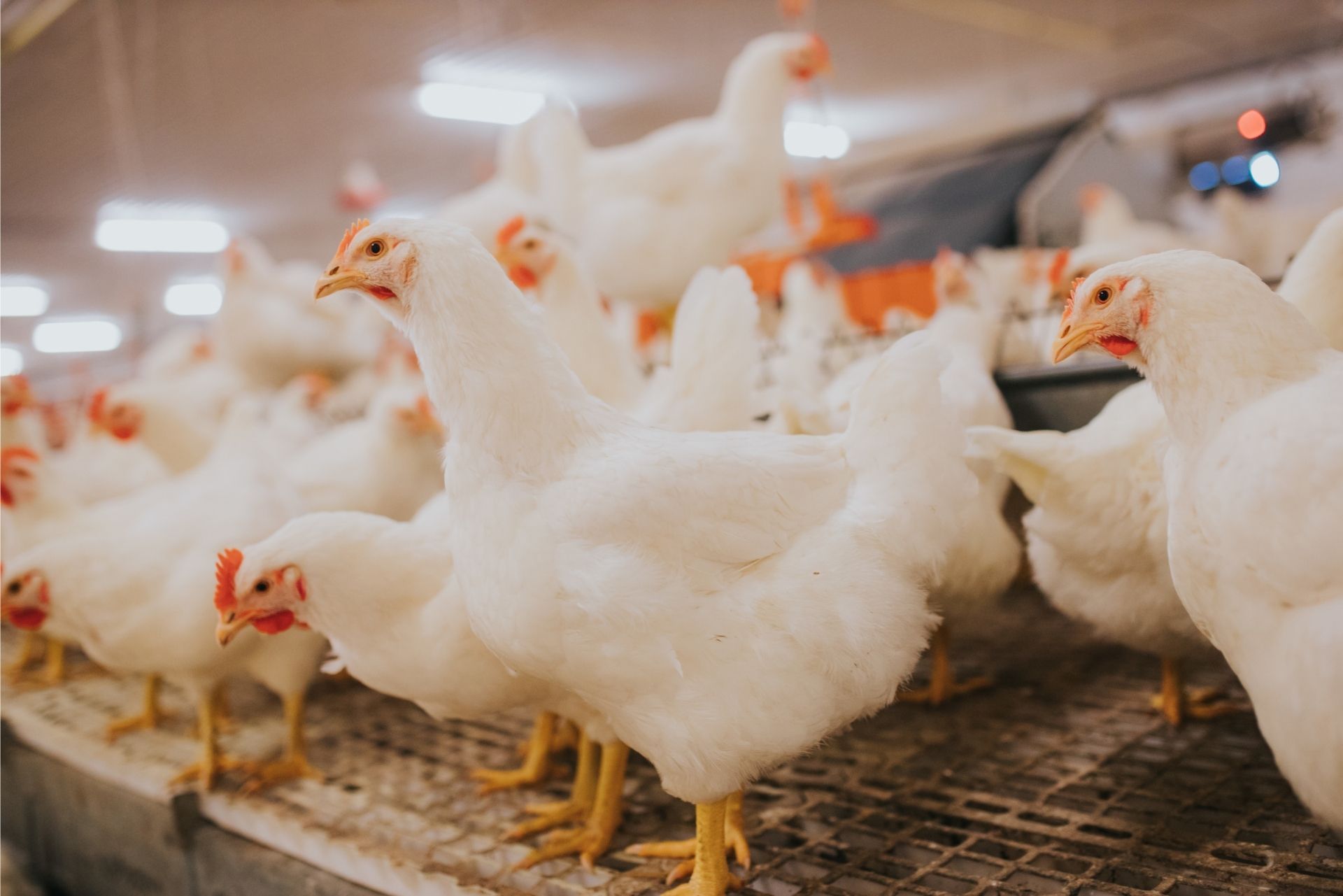
Poultry house insurance policies in Pennsylvania typically include protections that go beyond conventional property damage and liability coverage. They are tailored to address risks such as disease outbreaks, culling costs, loss of livestock, and disruptions to revenue streams. These aspects are crucial when farmers face biosecurity challenges or unforeseen shocks like avian influenza outbreaks.
One important feature of such policies is the inclusion of loss-of-income coverage. Farms may experience a significant drop in productivity if an outbreak forces them to temporarily close operations or restrict sales. The comprehensive nature of poultry house insurance helps cushion this economic blow, ensuring that farmers maintain their financial footing during periods of crisis.
Insurance providers may also cover the costs of enhanced biosecurity measures. Some companies have designed policies that reimburse farmers for investments in advanced testing facilities and biosecurity equipment. Given the proactive steps taken by local authorities in Pennsylvania, like the recent $13.5 million funding allocated for testing and containment
reported by the Times Leader, these benefits are particularly significant. In this way, insurance not only spreads risk but also incentivizes better industry practices.
In the event of a disease outbreak or catastrophic property loss, a swift claims process is essential. Effective claims handling ensures that farmers can resume operations with minimal downtime. Insurers specializing in poultry house insurance typically offer streamlined claims processes that prioritize timely assessments and payouts. This responsiveness is crucial, especially when time is of the essence in mitigating losses during a crisis.
Coverage terms may vary based on the farm’s biosecurity practices and historical risk data. Farms that have documented their efforts in testing, monitoring, and implementing safeguards against wild bird exposure are often viewed more favorably by insurers. For individuals seeking coverage, thoroughly documenting biosecurity measures and maintaining records of regular testing can be advantageous, positioning them for better coverage terms and lower premiums.
Insurance providers also work closely with agricultural extension services and veterinary labs in Pennsylvania to both prevent and respond to outbreaks. Facilities that aid in rapid diagnostic testing play an essential role in facilitating faster claims resolutions and ensuring that farms can access financial support when it is needed most.
Exploring How Policy Costs and Premiums Are Determined
The cost of poultry house insurance is determined by several factors, including the scale of production, facility infrastructure, and biosecurity level. Insurance companies assess the overall risk profile of the farm, taking into account location-specific challenges and recent trends in avian influenza cases. This means that a farm that maintains up-to-date biosecurity protocols may enjoy lower premiums compared to one with less stringent measures.
Insurers rely on historical data to predict future losses. Pennsylvania’s proactive measures against diseases, such as achieving "HPAI-free" status in the dairy sector, have set a benchmark that may influence premium calculations for poultry operations as highlighted by state authorities. Farmers should work closely with their insurance agents to understand how these factors might affect their policy costs and explore cost-saving opportunities without compromising on coverage.
Additionally, incorporating safety enhancements and maintaining records of regular maintenance checks can result in reduced premiums. Insurance providers are increasingly data-driven, so farms that adapt to advanced risk management practices often secure coverage at competitive rates.
The Role of Regulatory Bodies and Industry Collaboration
State and local regulatory bodies are instrumental in setting the standards for biosecurity and disease prevention. The Pennsylvania Department of Agriculture, for instance, has actively engaged with local farms to develop and enforce rigorous testing protocols. Their initiatives reflect in the insurance industry, where such proactive measures are factored into coverage agreements according to state updates. Collaboration between government agencies, academic institutions, and insurance companies ensures a unified approach to managing risks.
This regulatory involvement inspires innovation in the development of insurance products tailored specifically for agricultural challenges. By working closely with experts from Penn State Extension and the Pennsylvania Department of Agriculture, insurance companies continue to refine their risk assessment models. This collaborative mindset ultimately benefits the farmers, as improved models lead to better-quality coverage and more reliable risk mitigation measures.
As the industry continues to evolve, compliance with state-mandated biosecurity standards becomes not only a legal requirement but also a critical factor in securing advantageous insurance terms. The alignment between regulatory bodies and the insurance sector emphasizes the importance of robust data and documented practices for optimal policy outcomes.
Innovations and Future Trends in Poultry House Insurance
The ongoing integration of technology in agriculture is reshaping the way risks are managed. Digital tools such as remote monitoring systems, real-time data analytics, and advanced diagnostic equipment are revolutionizing traditional practices. As Pennsylvania’s poultry producers adopt these innovations, insurance companies are quick to incorporate them into risk assessments and policy structures.
Future trends in poultry house insurance are likely to emphasize more dynamic pricing models that reward proactive risk mitigation. Farms using real-time monitoring and biosecurity automation may find that their premium rates adjust more favorably over time. This incentivizes farmers to invest further in technologies that help detect potential outbreaks before they escalate into full-blown crises.
Insurance providers are also exploring bundled coverage solutions. These packages combine property, liability, and business interruption coverage with specific clauses addressing biosecurity and outbreak management. As the sector moves towards a more integrated approach to risk management, farmers will likely benefit from policies that acknowledge and reward their investments in innovative safety technologies.
Best Practices for Protecting Your Poultry Investment
For poultry farmers in Pennsylvania, adopting rigorous biosecurity practices is as essential as securing robust insurance. One of the best practices is to limit contact between domestic and wild birds. Separation strategies, such as using enclosed housing systems and installing barriers where possible, can drastically reduce the risk of disease transmission.
Regularly scheduled testing and continuous monitoring are critical steps that support both operational safety and favorable insurance terms. Trusted agricultural veterinarians and diagnostic labs work with many farms to ensure that any potential outbreaks are nipped in the bud, which in turn reinforces claims when needed. Keeping detailed records of these measures can make a significant difference during policy reviews.
In addition to physical measures, investing time in staff training can help maintain a culture of safety and vigilance. Employee awareness programs that emphasize proper hygiene protocols and emergency response strategies not only save lives but also strengthen the overall risk management framework-an aspect that insurance underwriters now value highly.
Frequently Asked Questions
What exactly does poultry house insurance cover?
Poultry house insurance is designed to protect against damages to facilities, losses from disease outbreaks, and revenue disruptions caused by catastrophic events. It typically includes property, liability, and business interruption coverage.
How does biosecurity impact insurance premiums?
Enhanced biosecurity practices lower the risk profile of a farm, which insurers often reward with reduced premiums and better policy terms. This includes having robust testing protocols and maintaining isolation measures against disease spread.
Can I get coverage for losses due to avian influenza?
Policies designed specifically for poultry operations usually include coverage for outbreaks of avian influenza, including costs associated with culling and loss of production. It is vital to review policy details to know the exact terms.
How is the cost of poultry house insurance determined?
Premiums are based on several factors, such as the size of the operation, infrastructure quality, biosecurity measures, and geographic location. Enhanced preventive measures can help reduce overall costs.
What role do state regulations play in insurance policies?
State departments like the Pennsylvania Department of Agriculture help set biosecurity guidelines that insurance providers incorporate when assessing risk. Adhering to these guidelines often results in more favorable coverage options.
How do future technologies influence poultry house insurance options?
Adoption of digital tools and real-time monitoring can lead to dynamic pricing models that reward proactive risk management, potentially lowering costs as farms adopt innovative safety measures.
Wrapping Things Up: Securing Your Future in Pennsylvania’s Poultry Sector
Pennsylvania’s poultry industry is booming, yet it comes with its own assortment of challenges that require thoughtful risk management strategies. With poultry now leading the state’s agricultural revenue as highlighted by recent USDA statistics, insurance becomes not only a financial safeguard but also an incentive to adopt and maintain robust biosecurity practices.
Effective poultry house insurance in Pennsylvania is more than just a safety net-it’s an integrated tool that couples financial protection with proactive risk mitigation. With evolving challenges like avian influenza and the ongoing push for advanced biosecurity measures, insurers are continually adapting policy structures to meet these needs. This adaptive approach helps ensure that farmers can maintain steady operations while navigating the uncertainties inherent to poultry farming.
For Pennsylvania poultry farmers, the future holds promising prospects if appropriate measures are taken. By investing in technology, improving biosecurity, and partnering with knowledgeable insurers, farmers can protect their valuable assets against unpredictable events. The continuing cooperation between government agencies, industry experts, and insurance providers assures that the sector remains resilient in the face of challenges.
As you evaluate your poultry insurance needs, reflect on the importance of documented safety measures and proactive risk management. This approach not only shields your investment but also sets a benchmark for best practices within the local agricultural community-a community that values both progress and precaution.
About The Author:
Terren Moore

As Owner of MFI Agency, I bring firsthand experience as a farmer and business owner to helping clients protect what matters most. I focus on providing straightforward, dependable insurance solutions for farms, ranches, and commercial operations—built on trust, local values, and a deep understanding of the agricultural community.
Contact Us
Protection Built for Business Operations
Commercial Insurance Solutions
At MFI Agency, we deliver commercial insurance options designed to help businesses stay protected against common risks and unexpected challenges. Our coverages provide financial security so you can focus on growing your operation with confidence.
General Liability Insurance
Protect your business from claims of bodily injury, property damage, and personal injury.
Commercial Auto Insurance
Insure your trucks, trailers, and vehicles used for business purposes.
Commercial Umbrella Insurance
Extend your liability protection beyond the limits of your existing policies.
Excess Liability Insurance
Extra coverage to help protect your business from large, unexpected claims.
Experience and solutions tailored to your field.
Focused Protection for Specialized Industries
Every industry faces unique risks. At MFI Agency, we focus on industries that require specialized knowledge and strategic coverage. From traditional farming to agricultural innovation, we help protect the operations that feed, grow, and build our communities.
Farms
Read More
GET INSURED NOW!Protecting row crop farms, dairies, and aquaculture facilities with tailored insurance solutions.
Ranches
Read More
GET INSURED NOW!Coverage for cattle operations and livestock businesses to safeguard your livelihood.
Ag Suppliers
Read More
GET INSURED NOW!Insurance for feed mills, grain elevators, and input suppliers supporting agriculture.
Food Processors
Read More
GET INSURED NOW!Customized protection for commercial kitchens, processors, and manufacturers.
Food Distributors
Read More
GET INSURED NOW!Coverage for fleets, warehouses, and distribution networks moving products safely.
Retail/Foodservice
Read More
GET INSURED NOW!Insurance solutions for independently owned restaurants, cafes, and small food service operations.
Your Path to Better Protection
How to Get Started with MFI Agency
Getting the right insurance doesn’t have to be complicated. At MFI Agency, we follow a straightforward process to understand your needs and match you with the right coverage. Whether you’re insuring a ranch, agribusiness, or commercial operation, we’re here to guide you every step of the way.
FAQs About Our Services
Answers to Common Insurance Questions
Providing clarity on coverage and policies.
How does equipment breakdown insurance work for farms?
Equipment breakdown insurance provides coverage for unexpected mechanical or electrical failures of essential farm equipment. This includes machinery like irrigation systems, refrigeration units, and milking machines. Such coverage helps mitigate repair or replacement costs that aren't typically covered under standard property insurance.
For instance, if a power surge damages your grain dryer, equipment breakdown insurance can cover the repair expenses and any associated income loss due to downtime. This ensures that your farming operations can resume promptly without significant financial setbacks.
Can I get replacement cost coverage on tractors and farm equipment?
Yes, many insurance providers offer replacement cost coverage for tractors and farm machinery. This type of coverage reimburses you for the cost of replacing damaged equipment with new items of similar kind and quality, without deducting for depreciation.
For example, if your tractor is destroyed in a fire, replacement cost coverage would cover the expense of purchasing a new tractor of comparable specifications. It's important to note that eligibility for this coverage often depends on the age and condition of the equipment.
Do I need farm insurance if I am a hobby farmer?
Absolutely. Even if your farming activities are part-time or not your primary income source, hobby farm insurance is crucial. Standard homeowners insurance policies typically exclude coverage for farming operations, which means structures like barns or equipment like tractors may not be protected.
Hobby farm insurance provides tailored coverage for your unique needs, including protection for outbuildings, equipment, and liability risks. Whether you're selling produce at a local market or simply maintaining a small flock of chickens, this insurance ensures that your assets and activities are adequately covered.
We are licensed in Arkansas, Colorado, Iowa, Kansas, Oklahoma, Tennessee, Texas, Pennsylvania, and Utah.
Helpful Insights for Farmers and Business Owners
Latest Articles from MFI Agency
At MFI Agency, we believe informed clients make better decisions. Our blog shares practical tips on farm and business insurance, industry updates, and strategies to help protect what you’ve built. Whether you're managing crops, equipment, or employees — we’ve got helpful content to guide you.

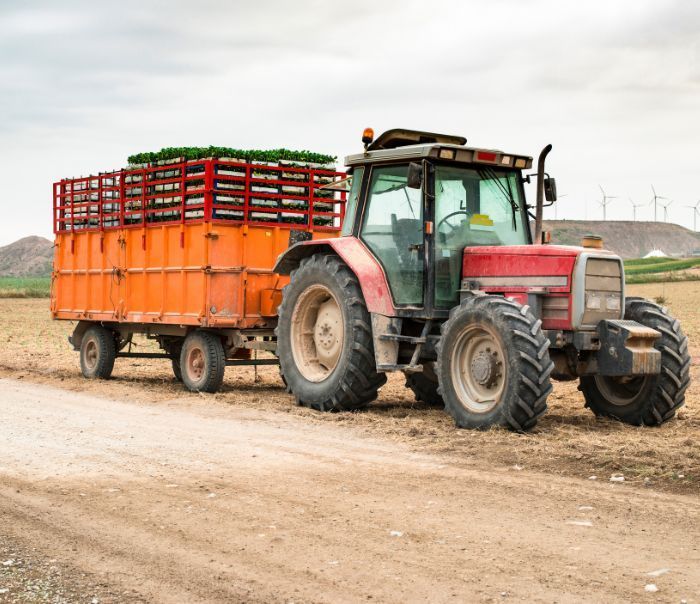
Is Your Farm Truck Covered Off-Road? What Texas Farmers Need to Know About Commercial Auto Insurance
Address
4216 Wesley St.Greenville, TX 75401
Contact Us
info@mfi-services.com
Call Us (903) 551-7903
Agency Hours:
Monday - Friday: 8:00am - 5:00pm
Start Your Insurance Journey with Confidence
Get a Quote from MFI Agency
Protect your farm, ranch, or business today.
Contact Us
Contact Us