


Top 3 Recommended Policies

A major poultry operation facing an unexpected outbreak or severe weather can quickly turn routine business into a financial nightmare. Recent challenges combined with rapid innovation in the poultry industry have marked a turning point for operations across Georgia. Understanding the evolving risks and safeguarding investments with comprehensive insurance policies has become a top priority for poultry farm owners.
Georgia’s Poultry Landscape: An Industry in Transition
Georgia’s poultry industry stands as one of the state's leading economic powerhouses. With the farm gate value of broilers estimated at $5.8 billion in 2023, poultry farms operate at a massive scale and face intense market pressures. Farm insurance, therefore, isn't just a back-office function-it’s a critical component that secures the financial backbone of these operations.
Agricultural producers in Georgia not only contend with fluctuating market conditions but also the unpredictable forces of nature and disease outbreaks. Recent significant developments in the industry have provided both challenges and opportunities to enhance risk management. Comprehensive poultry farm insurance offers effective risk transfer mechanisms, critical when losses have the potential to reach far beyond an individual business.
From routine operational risks to catastrophic events, the need for layered protection is more evident than ever. Farm insurance policies that cover property, liability, and weather-related damages are designed to mitigate the high stakes faced by poultry producers in this region.
Understanding the Risks: Disease Outbreaks and the Impact of Weather
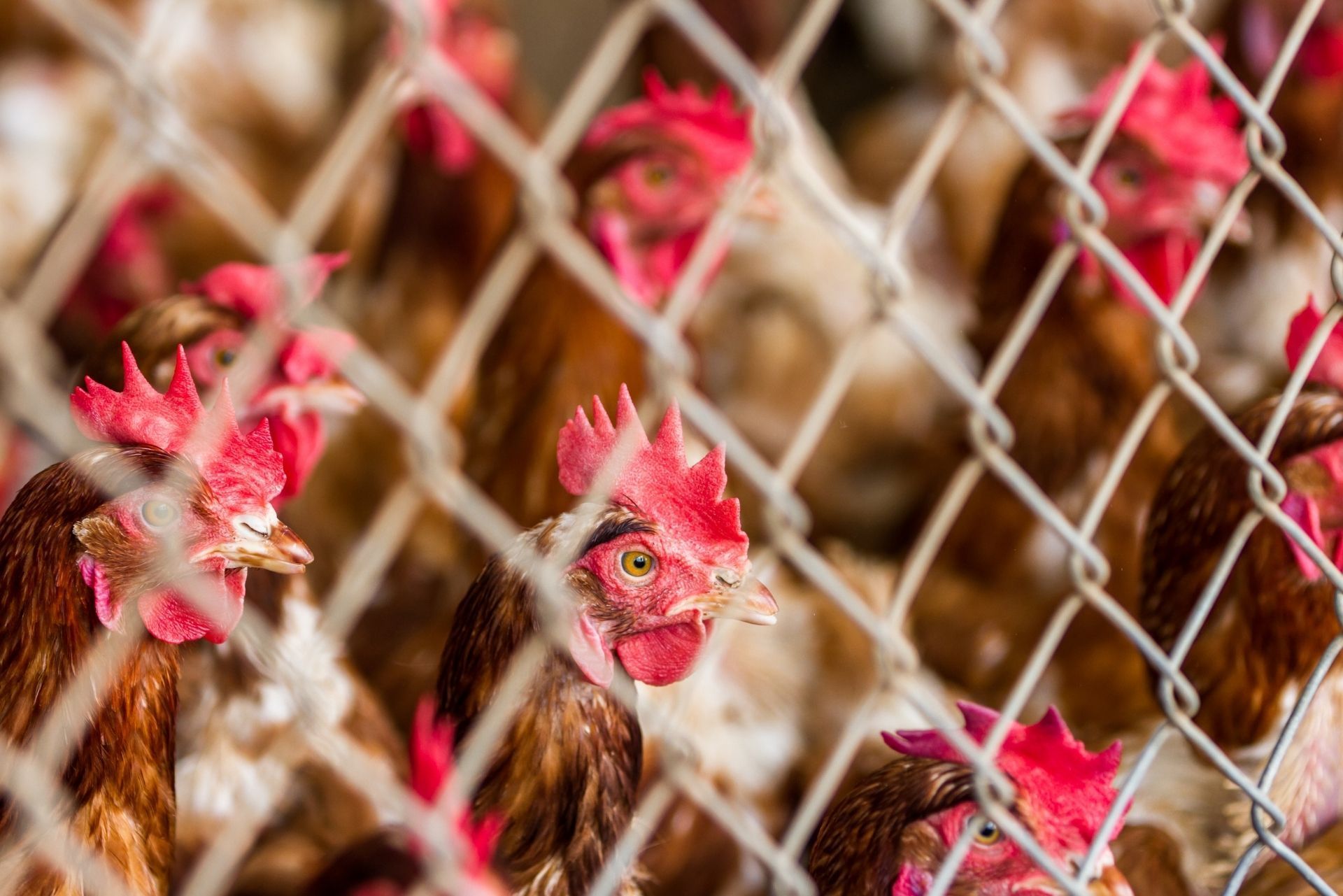
Poultry operations are particularly vulnerable to both biological threats and severe weather events, each presenting unique challenges for farm insurance. A notable example is the emergence of Highly Pathogenic Avian Influenza (HPAI) in Georgia. In January 2025, the state confirmed its first HPAI case in a commercial poultry operation. Such incidents can cast a long shadow over farm management, highlighting the necessity for stringent biosecurity measures and robust insurance coverage. For instance, the risk of an infected bird entering the food supply is kept extremely low, according to Andrew Pekosz, a professor of microbiology and immunology at Johns Hopkins University, reinforcing the trusted measures in place within the industry ().
Other concerns come not solely from livestock disease. Severe climatic events now also play a central role. The devastating impact of Hurricane Helene in September 2024 serves as a stark reminder. The hurricane caused losses estimated at $683 million to Georgia’s poultry industry. Such weather events create a domino effect where financial losses ripple through communities and disrupt supply chains. In response to these challenges, farmers and insurance companies have worked to create innovative programs designed to cover weather-related damages.
Without tailored insurance policies, the financial shock from either disease outbreaks or extreme weather could jeopardize the entire regional economy. Protecting livelihoods demands proactive risk management, and proper coverage is essential for long-term sustainability in poultry farming.
Biosecurity Measures and Their Role in Minimizing Losses
One of the most significant lessons learned from recent outbreaks is the importance of biosecurity. Farm owners now approach biosecurity with renewed vigor. As Tyler Harper, Georgia Agriculture Commissioner, states, “Biosecurity isn't just a buzzword for us, it's a promise, because when you're dealing with the avian flu, you're not just managing a virus – you're protecting an entire state's economic backbone” (). This perspective is vital when evaluating farm insurance policies because it underscores the necessity of covering not only the visible aspects of a farm but also the hidden and complex risks that can arise from disease.
Insurance providers have been quick to adapt. As farms intensify their biosecurity protocols, insurance products have evolved to not only cover direct losses from disease outbreaks but also to support enhanced prevention and rapid response measures. Training sessions, upgraded laboratory diagnostics, and improved tracking systems are increasingly common. Such proactive measures contribute to reducing the consequences of a breach, ultimately lowering potential claim amounts and improving policyholder outcomes.
As the landscape continues to change, poultry farm insurance products are constantly recalibrated to reflect real-world risk factors. Protecting poultry operations from unforeseen biological hazards requires close coordination, ensuring that farmers receive the support they need when emergencies arise.
Modern Technologies and Their Impact on Productivity and Safety
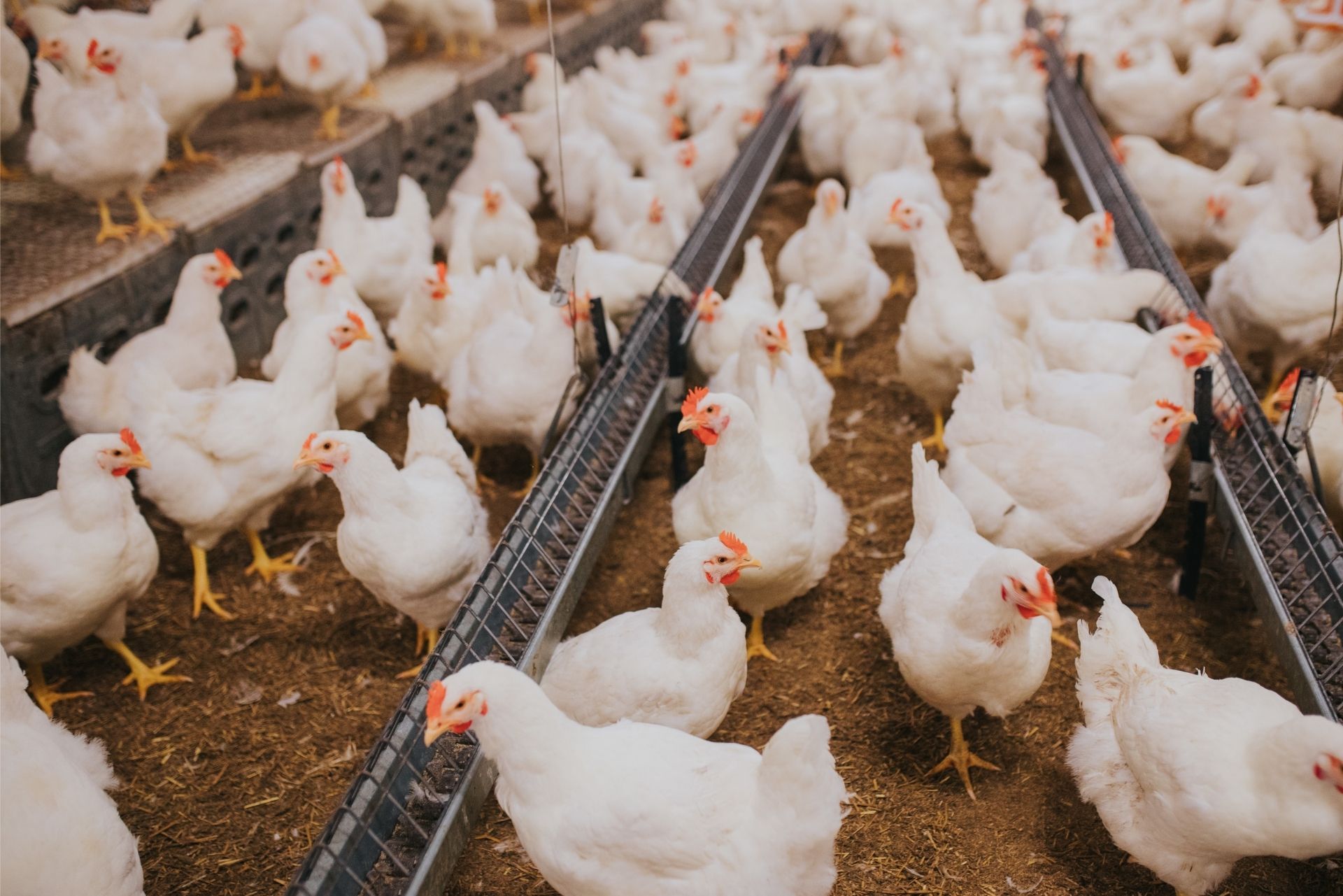
Innovation in agricultural technology has influenced all aspects of poultry farming. The “Poultry Farm Intelligence” platform, known for integrating six AI-powered modules, has changed the way managers optimize welfare and productivity (). Gone are the days when manual tracking and reactive management were the norm. Today's systems collect data in real-time-analyzing everything from environmental conditions in chicken coops to the nutritional balance of feed mixtures.
This technological breakthrough not only improves operational efficiency but also plays a role in reducing risk. With better insights into the health of a flock, managers can make informed decisions before small issues evolve into disastrous problems. This early-warning system is a boon to both the day-to-day operations and the long-term perspective of insurance companies that cover these farms.
Technological tools also give underwriters more accurate risk assessments, paving the way for policies that are tailored to each farm’s needs. As farmers implement these systems, their overall risk profile improves, and insurance terms can become more favorable. The fusion of technology and insurance signals a promising trend where proactive data management and loss prevention go hand in hand.
The Role of Insurance Programs and Policy Innovations
In the wake of significant financial losses following extreme weather incidents, the insurance industry has responded with innovative programs. For example, Georgia Farm Bureau, a leading insurer covering more than 1,300 poultry farms in the state, remains at the forefront of designing specialized coverage. The new policies implemented after the devastation of Hurricane Helene have provided much-needed relief to many operators.
Insurance providers have been quick to innovate, introducing agricultural insurance programs that include additional support for biosecurity investments and crisis management. These policies offer coverage that goes beyond simple property damage and extend to lost revenue, cleanup costs, and even farm upgrades following extensive damage. Financial protection has shifted from “reactive” compensation to “proactive” risk management, which ultimately benefits both insurance providers and policyholders.
Each policy is designed with the specific challenges of poultry operations in mind. For instance, some policies pay close attention to disease management protocols and even include provisions for covering costs indirectly related to an outbreak. For poultry farm owners, these tailored products provide peace of mind that they are protected in both common and extraordinary circumstances.
Market Trends and Future Outlook for Georgia Poultry Insurance
Looking forward, industry forecasts indicate cautious optimism for Georgia’s poultry sector. The recent 2025 Georgia Broiler Industry Forecast expects moderate production growth while maintaining steady chicken prices (). This projection is particularly encouraging since steady growth creates an environment where both traditional and innovative insurance products can flourish.
Market dynamics are now experienced not only on the production side but also in insurance. Risk mitigation remains a fundamental pillar for sustaining farm operations amidst external pressures. With consistent enhancements in biosecurity practices and technology integration, insurance companies are better equipped than ever to assess and manage emerging risks.
The evolution of policy products in response to new threats-from disease outbreaks to natural disasters-demonstrates a commitment by insurers to empower agricultural producers with definitive support. Partnerships between technology developers, agricultural experts, and underwriters are paving the way for smarter, more responsive insurance solutions designed to secure the future of the state’s poultry sector.
Strategies for Mitigating Insurance Risks on Your Poultry Farm
Integrating best practices with sound insurance policies can make a significant difference in safeguarding a poultry operation. Successful strategies often include investing in state-of-the-art biosecurity measures, keeping up with technological advancements, and maintaining an open dialogue with insurance providers to keep coverage aligned with evolving risks.
Farm owners are encouraged to adopt a proactive strategy to risk management. This might involve regular assessments of farm security, building comprehensive response protocols for disease outbreaks, and upgrading physical infrastructure to withstand severe weather events. Effective communication with insurance advisors is key. Aligning insurance coverage with these proactive measures often leads to lower premiums and better risk mitigation overall.
An informed and engaged approach to managing the operation can help reduce claim frequency. Rather than responding to events on an ad hoc basis, many farms are integrating continuous monitoring systems that allow early detection and rapid mitigation. This holistic approach reduces losses and provides a more resilient framework for long-term growth.
Comparative Analysis: What Sets Poultry Farm Insurance Apart?
While general farm insurance covers many types of agricultural operations, poultry-specific policies offer a level of nuance that standard products might miss. Poultry insurance products are carefully tailored to cover risks that include disease outbreaks, extreme weather, and biosecurity lapses. The table below outlines some of the key differences between basic and extended poultry insurance policies:
| Coverage Aspect | Basic Poultry Insurance | Extended Poultry Insurance |
|---|---|---|
| Disease Outbreak Coverage | Standard property damage and limited outbreak response | Enhanced outbreak response, including associated business interruption |
| Weather-related Damage | Coverage for property damage from extreme events | Additional support for lost revenue and rapid recovery |
| Biosecurity Investment | Not typically included | May cover costs for upgrading biosecurity systems |
| Technological Integration | Traditional risk assessments only | Incorporates AI-driven risk models and real-time monitoring |
This comparison highlights the critical differences that affect financial outcomes in the event of a claim. Extended insurance tends to be more expensive, but it also offers comprehensive protection that can prevent catastrophic losses.
The decision between basic and extended coverage is driven by individual risk profiles and operational scales. For large-scale poultry operations with high-value inventories, extended policies often provide the best balance between risk and reward by ensuring that every aspect of the operation is safeguarded.
Tailoring Your Insurance Program: Working with Advisors and Underwriters
There is a growing recognition that one-size-fits-all policies rarely work in agriculture. Instead, custom-tailored insurance programs that align closely with the specific risks and operational practices of a farm have become the norm. Farmers should seek out advisors who understand the complexities of poultry insurance and can guide them through the maze of available products.
Insurance underwriters now work more collaboratively with poultry experts to create policies that are not only comprehensive but flexible. For example, policies designed with room for technological upgrades or evolving biosecurity measures are becoming more prevalent. The key is to find an insurance partner who remains responsive to market changes and can adapt coverage as new risks emerge.
Consultants with deep knowledge in both poultry management and risk assessment can drastically improve the quality of the insurance package. They can pinpoint vulnerabilities in operations and recommend adjustments that lead to better risk mitigation. By working closely with an insurance provider, farm owners can ensure that the financial safety net is both comprehensive and cost-effective.
Insurance Pricing: Balancing Cost and Coverage
Pricing for poultry farm insurance often reflects the intensity and frequency of the risks covered. Costs are determined by factors such as geographic location, the facility's structural integrity, biosecurity protocols, and historical data on weather and disease across the region. Advanced risk assessment tools, including AI modules integrated into systems like the “Poultry Farm Intelligence” platform, help underwriters set precise premiums ().
Farmers must balance premium costs against the comprehensive coverage provided. While a lower premium might seem appealing, insufficient coverage can lead to significant out-of-pocket expenses when unexpected claims arise. Conversely, investing in a robust policy can save more money over time by minimizing financial risks that come with operational disruptions.
Discussing and reviewing policy details with an insurance advisor is crucial. It ensures that policymakers fully grasp what is covered-and what isn’t-in case of losses from weather events, disease outbreaks, or other unforeseen scenarios. Transparency in pricing builds trust and leads to better overall outcomes when claims are filed.
Case Studies: Real-Life Scenarios from Georgia Poultry Farms
Case studies from poultry operations in Georgia illustrate the real impact of sound insurance practices. One operation, for example, benefited from a comprehensive policy after a minor outbreak was detected early thanks to enhanced biosecurity measures. The timely claim helped the operation avoid cascading losses that could have cut into months of production. Such scenarios underline the importance of having a plan in place before disaster strikes.
Another farm, which had invested heavily in advanced monitoring technologies, saw its premiums reduced over time. Insurers rewarded the farm’s proactive management with favorable rates, recognizing the lower risk profile. These stories serve as a powerful testament to the value of tailored coverage and proactive risk management strategies. They reinforce the idea that technology and best practices can effectively safeguard both the health of a flock and the financial health of an operation.
Case studies also reveal that well-designed policies contribute to the overall resilience of the poultry industry, allowing farms to bounce back quickly from setbacks. This resilience is critical in an industry where production values are high and the stakes are even higher.
Future Innovations and Their Influence on Insurance Products
Looking ahead, the intersection of agriculture, technology, and insurance continues to evolve at a remarkable pace. Future innovations might include deeper integration of IoT (Internet of Things) devices in poultry houses, offering continuous data streams-from temperature and humidity to flock movement patterns. These insights not only augment operational efficiency but also enable underwriters to adjust policies in real time, tailoring coverage to reflect actual conditions rather than historical trends.
Emerging trends are moving toward more dynamic insurance pricing models where premiums adjust seasonally or after analyzing near-real-time data. This model could lead to a more equitable pricing system that rewards best practices and quickly penalizes lapses in biosecurity or structural integrity. Insurers are already beginning to pilot these dynamic models, which could become standard practice in the near future.
With technology setting new benchmarks for risk assessment, poultry farm insurance is likely to embrace more predictive analytics rather than relying solely on reactive responses. These changes are not just a benefit for the insurers-farmers stand to gain from lower losses and the ability to invest more consistently in preventive measures.
Frequently Asked Questions about Poultry Farm Insurance
What does poultry farm insurance typically cover?
Policies commonly include coverage for property damage, crop and livestock loss, weather-related events, and sometimes business interruption. Specific coverage details can vary by provider.
How can technology reduce insurance premiums?
Integrating systems that monitor flock health and environmental conditions can lead to better risk management. Lower risk profiles, in turn, often result in reduced premiums.
Are extended poultry insurance policies worth the additional cost?
For larger operations or farms with high-value investments, extended policies offer added security by covering unique risks such as biosecurity investments and outbreak response.
How often should poultry farms update their insurance policies?
Regular reviews, ideally annually or after significant operational changes, help ensure that current risks and protections align with the latest market and operational conditions.
Can biosecurity measures influence my insurance rates?
Yes, demonstrating robust biosecurity protocols may result in lower premiums as insurers view reduced risk as a positive factor when determining policy costs.
What steps can be taken to minimize insurance claims?
Investment in technology, regular risk assessments, and proactive biosecurity upgrades are essential steps to minimize potential losses and avoid insurance claims.
Wrapping Things Up: The Road Ahead for Poultry Farmers and Insurers
The poultry industry in Georgia is a dynamic and thriving sector that continues to adapt to new challenges. With a regional economy bolstered by an estimated $5.8 billion in broiler value, each farm's commitment to biosecurity, technology, and proactive risk management resonates deeply with the principles underpinning modern insurance.
Continuous innovation is reshaping risk assessment and coverage options, ensuring that both small family-owned operations and larger commercial farms can thrive. The integration of AI and IoT technologies, combined with improvements in biosecurity practices, helps lay a more secure and resilient foundation for the future of poultry farming in Georgia.
For operators, the journey begins with understanding the unique risks faced and pairing that knowledge with comprehensive, customizable insurance policies. The assurance that comes from knowing these measures are in place is invaluable, protecting not just the livelihood of the farm owner but also the broader economic legacy of Georgia's poultry industry. Explore options today and consider how modern insurance can become an integral part of a sound business strategy.
A Closer Look: Comparing Insurance Options for Poultry Operations
Choosing the right insurance product can seem daunting, but understanding key differences between various policies can clarify the decision process. Below is a simplified look at how basic and extended poultry farm insurance products compare across several crucial features.
| Feature | Basic Coverage | Extended Coverage |
|---|---|---|
| Disease Outbreak | Covers standard property damage | Includes enhanced outbreak response |
| Weather Events | Covers structural damages | Also covers business interruption and lost revenue |
| Biosecurity Investments | Not typically covered | May cover upgrades and preventative measures |
| Technology Integration | Based on traditional assessments | Utilizes real-time data and AI risk calculations |
This table illustrates how extended insurance options provide broader protection, helping farms not only manage conventional risks but also address modern challenges like technological integration and biosecurity improvements.
Farmers should consider these differences carefully when consulting with insurance advisors, ensuring that the selected policy aligns perfectly with their operational priorities and risk profiles.
Planning Ahead: Key Considerations for a Resilient Poultry Business
Strategic planning is essential for any poultry operation aiming for long-term success. Beyond daily operations, planning for uncertainties such as disease outbreaks or severe weather is critical. With firsthand experience of the impact posed by events like Hurricane Helene-losses reached an estimated $683 million-the future of a farm often rests on the decisions made today.
Risk management begins with a detailed review of current insurance policies and a thorough understanding of operational vulnerabilities. An essential first step is to document all existing safety protocols, infrastructural measures, and previous incident records. This data forms the backbone of any proposal for enhanced coverage.
Engaging with experienced advisors who can bridge the gap between technical, agricultural, and financial considerations is equally important. This dialogue helps ensure that insurance policies not only protect assets but also support future growth. A well-structured insurance program, built on a foundation of proactive management, serves as both a safety net and a strategic tool for business continuity.
Bringing It All Together: Insurance as a Strategic Investment
For poultry farm operators, insurance is far more than a mandatory expenditure-it is a strategic investment that safeguards against unpredictable risks. Whether it is the threat of a disease outbreak, the financial impact of a severe storm, or the critical role of technology in daily operations, a well-planned insurance package plays a vital part in the success of a farm.
Modern policies have transitioned from generic plans to highly specialized products. Customization is evident in coverage limits adjusted to reflect a farm's unique risk profile. This tailored approach ensures that both economic downturns and unexpected events are managed with efficiency and empathy.
Understanding insurance options and staying informed about industry trends empowers poultry producers to make decisions that are financially sound in both calm and stormy times. As the industry continues to innovate and evolve, strategic investment in proper coverage remains a cornerstone of long-term success.
What to Remember: Final Thoughts on Poultry Farm Insurance in Georgia
The evolving threat landscape, marked by disease outbreaks like HPAI and catastrophic weather events, reinforces the critical importance of comprehensive poultry farm insurance. Georgia’s poultry industry, valued in the billions, depends on robust risk management protocols that extend beyond standard coverage. Proper insurance not only protects physical assets but also secures the economic lifeline that sustains this vital sector.
Innovative technologies such as AI-driven monitoring systems and enhanced biosecurity practices are reshaping the way risks are managed, offering the dual benefits of improved operational efficiency and lower insurance costs. For every poultry farm owner, the task is clear: assess vulnerabilities, invest in the best available coverage, and remain vigilant in an environment where proactive risk management saves both time and money.
As the industry looks ahead, embracing modern strategies and tailored insurance solutions will be key to navigating future uncertainties. Whether you are a long-time operator or new to the world of poultry farming, staying current with the latest insurance developments ensures that your business remains well-protected against both known and unforeseen challenges. For more insights on evolving industry challenges, consider exploring detailed analysis from the Georgia Agriculture Commissioner’s recent statements ().
Frequently Asked Questions about Georgia Poultry Farm Insurance
What specific risks do poultry farms in Georgia face?
Poultry farms must contend with disease outbreaks, severe weather events, and challenges in maintaining robust biosecurity protocols, each of which can significantly impact overall operations.
How does technology like AI influence insurance premiums?
AI-driven monitoring systems help identify risks early. As a farm’s risk decreases, insurance providers may offer lower premiums, reflecting responsible management practices.
What should farms consider when choosing between basic and extended coverage?
Farms should evaluate their exposure to specific threats. Extended coverage may be ideal if an operation needs additional protection against disease outbreaks or significant weather events.
How can improved biosecurity measures impact insurance claims?
Strong biosecurity reduces the likelihood of major disease outbreaks, which in turn minimizes claims. This preventive approach helps maintain stable insurance premiums.
Are there tailored insurance products for modern poultry operations?
Yes, many insurers now offer policies that integrate advanced risk management tools, like real-time data monitoring and AI analytics, to better address modern challenges.
Can regular reviews of insurance coverage benefit my poultry operation?
Regular reviews ensure that coverage matches evolving risks and operational changes. This process is crucial for maintaining cost-effectiveness and robust protection.
Moving Forward with Confidence and Comprehensive Coverage
For poultry farm owners in Georgia, the pursuit of excellence includes not only operational mastery but also proactive risk management. Insurance acts as a vital safety net in an environment where both technological advancements and natural risks play critical roles. From handling a declared disease outbreak to providing support in the wake of a weather disaster, the policies available today reflect the dynamic challenges of modern agriculture.
Integrating innovative practices with a strong insurance strategy provides the framework necessary to safeguard assets while promoting steady growth. Whether the focus is on leveraging AI and IoT for real-time insights or ensuring rigorous biosecurity measures are in place, every precaution taken contributes to a resilient operation. By working with knowledgeable advisors and using technology to refine risk assessments, farm owners can transform potential vulnerabilities into strengths.
As the industry continues to evolve and adapt, remaining informed about the latest insurance trends becomes essential. Poultry farm insurance in Georgia today stands as a testament to the state’s commitment to protecting its agricultural future and ensuring that producers have access to the tools they need to succeed-even when faced with unexpected challenges. For further details on the value of tailored solutions, revisit insights provided by key industry experts, which underscore the financial backbone of Georgia's poultry sector.
About The Author:
Terren Moore

As Owner of MFI Agency, I bring firsthand experience as a farmer and business owner to helping clients protect what matters most. I focus on providing straightforward, dependable insurance solutions for farms, ranches, and commercial operations—built on trust, local values, and a deep understanding of the agricultural community.
Contact Us
About The Author:
Terren Moore
As Owner of MFI Agency, I bring firsthand experience as a farmer and business owner to helping clients protect what matters most. I focus on providing straightforward, dependable insurance solutions for farms, ranches, and commercial operations—built on trust, local values, and a deep understanding of the agricultural community.
Contact Us
Protection Built for Business Operations
Commercial Insurance Solutions
At MFI Agency, we deliver commercial insurance options designed to help businesses stay protected against common risks and unexpected challenges. Our coverages provide financial security so you can focus on growing your operation with confidence.
General Liability Insurance
Protect your business from claims of bodily injury, property damage, and personal injury.
Commercial Auto Insurance
Insure your trucks, trailers, and vehicles used for business purposes.
Commercial Umbrella Insurance
Extend your liability protection beyond the limits of your existing policies.
Excess Liability Insurance
Extra coverage to help protect your business from large, unexpected claims.
Experience and solutions tailored to your field.
Focused Protection for Specialized Industries
Every industry faces unique risks. At MFI Agency, we focus on industries that require specialized knowledge and strategic coverage. From traditional farming to agricultural innovation, we help protect the operations that feed, grow, and build our communities.
Farms
Read More
GET INSURED NOW!Protecting row crop farms, dairies, and aquaculture facilities with tailored insurance solutions.
Ranches
Read More
GET INSURED NOW!Coverage for cattle operations and livestock businesses to safeguard your livelihood.
Ag Suppliers
Read More
GET INSURED NOW!Insurance for feed mills, grain elevators, and input suppliers supporting agriculture.
Food Processors
Read More
GET INSURED NOW!Customized protection for commercial kitchens, processors, and manufacturers.
Food Distributors
Read More
GET INSURED NOW!Coverage for fleets, warehouses, and distribution networks moving products safely.
Retail/Foodservice
Read More
GET INSURED NOW!Insurance solutions for independently owned restaurants, cafes, and small food service operations.

Your Path to Better Protection
How to Get Started with MFI Agency
Getting the right insurance doesn’t have to be complicated. At MFI Agency, we follow a straightforward process to understand your needs and match you with the right coverage. Whether you’re insuring a ranch, agribusiness, or commercial operation, we’re here to guide you every step of the way.
FAQs About Our Services
Answers to Common Insurance Questions
Providing clarity on coverage and policies.
How does equipment breakdown insurance work for farms?
Equipment breakdown insurance provides coverage for unexpected mechanical or electrical failures of essential farm equipment. This includes machinery like irrigation systems, refrigeration units, and milking machines. Such coverage helps mitigate repair or replacement costs that aren't typically covered under standard property insurance.
For instance, if a power surge damages your grain dryer, equipment breakdown insurance can cover the repair expenses and any associated income loss due to downtime. This ensures that your farming operations can resume promptly without significant financial setbacks.
Can I get replacement cost coverage on tractors and farm equipment?
Yes, many insurance providers offer replacement cost coverage for tractors and farm machinery. This type of coverage reimburses you for the cost of replacing damaged equipment with new items of similar kind and quality, without deducting for depreciation.
For example, if your tractor is destroyed in a fire, replacement cost coverage would cover the expense of purchasing a new tractor of comparable specifications. It's important to note that eligibility for this coverage often depends on the age and condition of the equipment.
Do I need farm insurance if I am a hobby farmer?
Absolutely. Even if your farming activities are part-time or not your primary income source, hobby farm insurance is crucial. Standard homeowners insurance policies typically exclude coverage for farming operations, which means structures like barns or equipment like tractors may not be protected.
Hobby farm insurance provides tailored coverage for your unique needs, including protection for outbuildings, equipment, and liability risks. Whether you're selling produce at a local market or simply maintaining a small flock of chickens, this insurance ensures that your assets and activities are adequately covered.
We are licensed in Arkansas, Colorado, Iowa, Kansas, Oklahoma, Tennessee, Texas, Pennsylvania, and Utah.
Helpful Insights for Farmers and Business Owners
Latest Articles from MFI Agency
At MFI Agency, we believe informed clients make better decisions. Our blog shares practical tips on farm and business insurance, industry updates, and strategies to help protect what you’ve built. Whether you're managing crops, equipment, or employees — we’ve got helpful content to guide you.

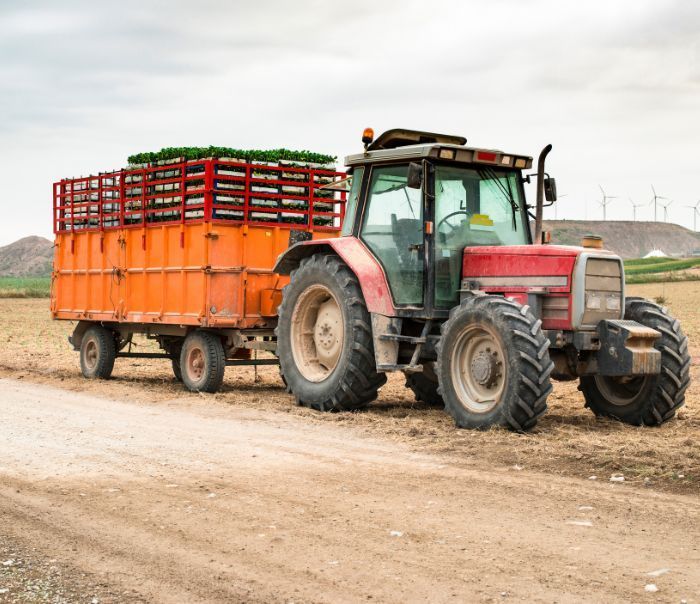
Is Your Farm Truck Covered Off-Road? What Texas Farmers Need to Know About Commercial Auto Insurance
Address
4216 Wesley St.Greenville, TX 75401
Contact Us
info@mfi-services.com
Call Us (903) 551-7903
Agency Hours:
Monday - Friday: 8:00am - 5:00pm
Start Your Insurance Journey with Confidence
Get a Quote from MFI Agency
Protect your farm, ranch, or business today.
Contact Us
Contact Us