


Top 3 Recommended Policies

A sudden outbreak in a commercial laying hen flock and the soaring impact of poultry on North Carolina’s cash receipts create a complex landscape where economics, health, and risk management converge. For farm owners and industry stakeholders, understanding the nuances of poultry house insurance isn’t just a bureaucratic necessity-it’s a cornerstone of maintaining a resilient operation. This article explores the core aspects of coverage, the industry’s distinct characteristics, emerging challenges, and practical ways to mitigate potential risks. For more detailed information on the financial significance of poultry to North Carolina’s economy, consider the data outlined by the North Carolina Poultry Federation.
The following sections deliver an in-depth look into why insurance tailored to poultry facilities is essential. Discussions range from understanding production metrics and disease outbreaks to assessing property values impacted by proximities to large farm operations. Insights from health and environmental news further reinforce how external elements can drive insurance needs in a state where animal agriculture is a major economic pillar.
Understanding the Scope of North Carolina’s Poultry Industry
North Carolina’s economy is heavily intertwined with poultry production. With poultry contributing to over 51% of the state’s farm cash receipts and generating more than $8 billion in revenue in 2022 (North Carolina Poultry Federation), the industry clearly holds a pivotal role in the agricultural sector. This enormous influence creates a unique milestone for farm insurance providers who must understand both the scale and the specialized risks faced by poultry operations.
The industry’s breadth is not solely about economic statistics. It covers a wide range of activities from turkey raising, where the state leads as the largest U.S. producer by weight with 29 million turkeys raised annually (North Carolina Poultry Federation), to specialized operations that handle highly pathogenic avian influenza (HPAI) incidents. These elements underscore the necessity for insurance products that are designed to handle both routine operational losses and catastrophic events.
Insurance professionals need to stay updated with trends in animal agriculture to better advise poultry farm owners on risk management strategies that work in a landscape marked by high production, disease outbreaks, and environmental issues.
Risks and Challenges in Poultry Production
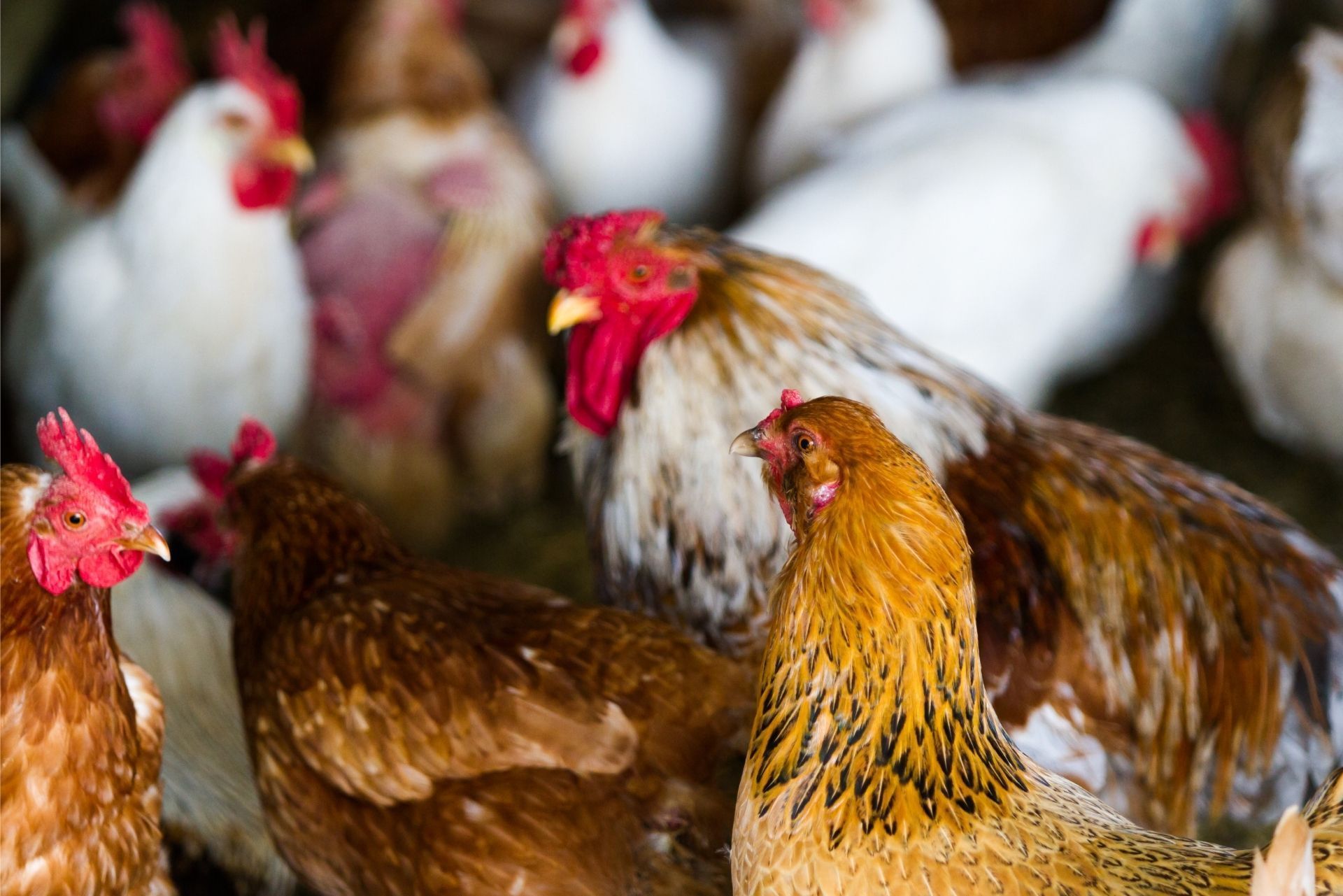
Managing a poultry farm is not without its challenges. Disease outbreaks, environmental hazards, and compliance with dynamic regulations are persistent risks. One distinct challenge is the occurrence of HPAI. On January 7, 2025, North Carolina confirmed its first case of HPAI in a commercial laying hen flock since February 2024 (MEAT+POULTRY). An outbreak like this can disrupt production routines and severely impact the financial stability of a business.
Experts have pointed out the need for rapid response protocols. Steve Troxler, the North Carolina Agriculture Commissioner, has emphasized that being one of the highest-ranking states in production, particularly for turkeys, chickens, and pork, also means that the state needs equally robust prevention and mitigation strategies (North Carolina Health News). The importance of early disease detection becomes even more evident when swift veterinary responses successfully contained outbreaks within days. When risk factors such as these merge with financial pressures, specialized poultry house insurance becomes a vital tool in ensuring business continuity.
Other risks include environmental compliance, worker safety, and potential chemical exposure or biosecurity lapses. Insurance products tailored for these operations are structured to manage losses from property damage, business interruptions, and contamination events. This proactive risk management approach ensures that a single incident does not lead to a cascade of financial issues.
Insurance Coverage Considerations for Poultry House Operations
The unique nature of poultry operations demands equally unique insurance coverage options. Unlike standard property insurance, poultry house insurance policies are honed to cover domain-specific risks such as disease outbreaks, structural damage to poultry houses, and even environmental liabilities which may result from operational practices. Comprehensive coverage typically includes protection for the facility, livestock, and equipment essential to maintaining production capabilities.
There is also the critical aspect of business interruption insurance. When production halts due to an outbreak of HPAI or similar issues, the financial repercussions can be considerable. Business interruption coverage helps in alleviating the impact by compensating for lost revenue, ensuring that operations can recover and re-establish themselves quickly after an incident. As risk analysis shows, having the right coverage can directly affect the speed and ease of recovery.
Not all poultry house insurance policies are created equal. The most effective policies are those that incorporate factors such as tailored deductibles, risk-specific extensions, and comprehensive clauses that cover emerging threats to production. Communication with insurance agents well-versed in the agricultural sector is key to setting up a secure and adaptable coverage plan.
Key Coverage Sections
Property Damage: This section covers physical damage to the poultry houses, including roofs, ventilation systems, and the internal infrastructure that supports animal welfare and production processes. Damage due to natural disasters or operational accidents may be covered under specific clauses.
Liability and Environmental Damage: With concerns around environmental degradation and the health implications for nearby residents, liability coverage is crucial for managing claims that arise from environmental contamination. A study by Duke University found that properties within three kilometers of a large poultry farm experienced a notable drop in market value (Duke University study).
Livestock and Equipment Coverage: Poultry are the heart of any poultry operation. Insurance policies that specifically cover mortality, disease, and impacts on related equipment provide a robust safety net. The inclusion of such provisions distinguishes specialized poultry house insurance from conventional property insurance policies.
Managing Modern Environmental and Health Risks
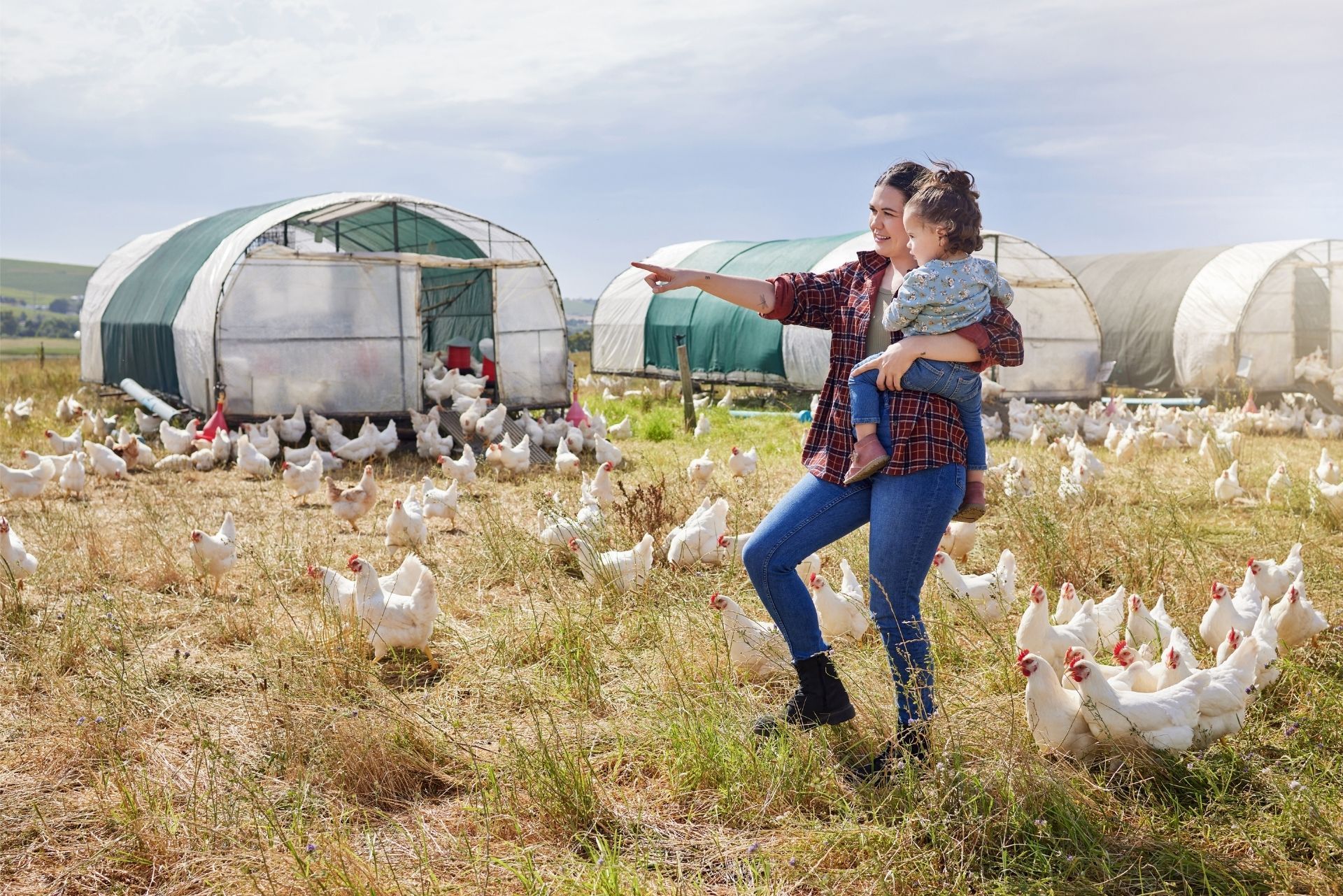
Modern poultry production often meets scrutiny for its impact on the environment and the health of surrounding communities. Concerns have grown regarding the propagation of cardiovascular diseases among residents living near concentrated agricultural feeding operations (North Carolina Health News). These concerns prompt both regulatory scrutiny and increased public interest in the risks and rewards of intensive livestock farming.
Environmental Working Group’s study, using AI, found indicators of nearly 357 million poultry housed in factory farms across North Carolina (Environmental Working Group). Such high-density production creates potential for environmental degradation and public health hazards, necessitating insurance policies that specifically address these risks.
Poultry house insurance policies have evolved to include coverage for environmental cleanup and third-party liabilities. This shift aligns with growing demands from communities and regulators for responsible farming practices. By proactively including environmental and health risk protections, poultry operations can be better prepared should an incident lead to broader complications.
Strategies for Reducing Risk Exposure
Implementing stringent biosecurity measures remains the frontline strategy in reducing the risk of disease outbreaks. Employing rigorous sanitation protocols, regular veterinary checks, and controlled access to farm areas can reduce the likelihood of an HPAI outbreak. Prompt reporting of unusual signs among the flock further mitigates risk.
Another practical strategy involves investing in updated facility infrastructure. Modern ventilation systems, automated feeding mechanisms, and climate-controlled housing can reduce environmental exposure and improve overall operational efficiency. These enhancements not only secure the business against damage but often lead to lower insurance premiums, as insurers recognize the reduced risk profile.
Insurance providers increasingly offer premium discounts to operations that adopt advanced risk management protocols. This encouragement fosters a culture of continuous improvement, ensuring that producers are always working with the latest technologies and industry best practices.
Economic Implications and Property Value Considerations
Property values in areas adjacent to large poultry farms can fluctuate due to the environmental and health risks associated with high-density animal agriculture. Research from Duke University indicates that properties located within three kilometers of a large poultry farm can see a decrease in value by as much as 32% (Duke University study). Homeowners and investors must weigh these factors carefully.
Insurance strategies play an important role in managing such economic risks. A well-structured policy not only covers physical structures but also factors in potential depreciation of assets due to nearby industrial activity. Financial losses incurred from property devaluation can be partially mitigated by having a thorough risk analysis incorporated into the farm’s insurance policy.
Insurance providers are gradually recognizing the importance of integrating property value analytics with standard coverage. As risk models become more sophisticated, they now reflect dynamic relationships between environmental factors, industrial practices, and real estate market valuations. This comprehensive view makes insurance a crucial component of long-term financial planning for both farm operators and neighboring property owners.
Insurance and Market Perceptions
The market perception of agricultural operations plays a significant role in defining insurance premiums and coverage terms. As public awareness of environmental factors grows, insurers often reassess the risks associated with proximity to large-scale farming facilities. In North Carolina, where the poultry industry is a major economic force, insurers are in a dual position-balancing high production values against potential public health and environmental hazards.
Insurance professionals work closely with risk assessors to calculate premiums that reflect both the operational realities on the ground and the external market sentiments. This integrated approach ensures that farm owners receive coverage that matches their actual risk profile rather than a generic, one-size-fits-all policy.
Farm operators who proactively engage in risk reduction measures often enjoy more favorable insurance terms. Such measures include robust biosecurity strategies, environmental protection protocols, and investments in modern facility technology. In a state leading the nation in several poultry production metrics, these practices are not just beneficial but essential for economic stability.
Due to the specialized nature of poultry operations, coverage options vary widely depending on the size, production scale, and risk factors inherent to each farm. Effective poultry house insurance typically consists of several integrated components designed to cover the full spectrum of risks-from natural disasters and operational mishaps to disease outbreaks and environmental liabilities.
Many insurers now offer bundled packages that can be customized to include:
- Physical Damage Coverage: Protects the infrastructure, including poultry houses, equipment systems, and structural components.
- Livestock and Equipment Protection: Specifically designed for the health and safety of the birds themselves along with critical machinery used in operations.
- Business Interruption: Offers financial stability when production is halted unexpectedly, such as during an HPAI outbreak.
- Environmental Liability: Addresses claims related to pollution, contamination incidents, and remedial costs.
Insurance packages are often built with flexibility in mind, adjusting factors like deductibles and rating based on the farm’s risk management practices and adherence to regulatory standards.
For many operations, particularly those with demonstrated risk reduction measures, premiums may be more cost-effective. In an industry where margins can be thin and the stakes high, having tailored coverage can mean the difference between a manageable setback and an insurmountable financial challenge.
Extended Coverage Options
Beyond the standard elements, several insurers offer extensions that include animal mortality, loss of breed-specific stock, and even enhancements for technological upgrades. These extensions are designed to account for the unique stressors affecting poultry operations. For instance, when dealing with highly pathogenic avian influenza, extended coverage might include veterinary expenses and additional biosecurity measures mandated after an outbreak.
Farm owners are encouraged to collaborate closely with their insurance agents to design packages that can evolve as the business grows. This proactive strategy not only protects the current state of operations, but it also lays a foundation for continued growth and adaptability in an ever-changing market landscape.
Comparative analysis through side-by-side charts can provide clarity when assessing different policies. Below is a simplified comparison chart that highlights key differences between basic and extended coverage options:
| Coverage Aspect | Basic Coverage | Extended Coverage |
|---|---|---|
| Structural Protection | Standard property damage | Enhanced with disaster-specific provisions |
| Livestock Coverage | Limited to loss and damage | Includes mortality, disease, and veterinary costs |
| Business Interruption | Fixed period coverage | Extended periods with contingency clauses |
| Environmental Liability | Exclusion for most contaminants | Incorporates full environmental remediation costs |
This chart offers a snapshot of how extended options provide broader layers of protection, reinforcing the idea that specialized operations benefit from specialized risks and coverage packages.
Practical Steps for Insuring Your Poultry Operation
Securing the right insurance for a poultry operation in North Carolina involves more than just purchasing a policy-it requires a deep dive into specific operational risks and understanding the full spectrum of potential losses. A careful review of existing risk management practices is the first step. Detailed inspections and regular evaluations of facility conditions help determine exposure levels and necessary coverage enhancements.
Insurers often require documented evidence of biosecurity measures, comprehensive maintenance logs, and sometimes even third-party evaluation reports. Engaging with risk management consultants can provide an unbiased assessment of vulnerabilities. Such actions are instrumental in negotiating lower premiums while ensuring that the coverage is robust enough to sustain a catastrophic event.
Insurance brokers specializing in agricultural sectors can bridge the gap between the technical elements of a poultry operation and the financial imperatives demanded by insurers. Their expertise is invaluable in crafting policies that are both comprehensive and cost-effective.
Steps to Secure Comprehensive Insurance
1. Conduct a thorough risk assessment: Document all potential vulnerabilities including structural, biological, and environmental risks. This assessment forms the basis for customized policy recommendations.
2. Consult with specialists: Industry-specific consultants and brokers understand the intricacies of poultry operations and can offer tailored advice on coverage needs and risk reduction techniques.
3. Compare policy offerings: Evaluate several insurance packages to find those that best match the operation’s specific risk profile. Look for extended coverage options that minimize gaps in protection.
Understanding Premium Determination and Policy Renewals
The cost of poultry house insurance is influenced by many factors. Premium determination relies on a mix of business size, facility infrastructure, risk mitigation measures in place, and the historical track record regarding disease management and operational incidents. Sophisticated risk algorithms and market trends both play a role. Insurers use this information to assign a risk score, which directly influences the premium rate.
Policy renewals provide an opportunity for reassessment. As operations implement improved practices or invest in updated technology, the associated risk profile may decrease, leading to more favorable renewal terms. On the other hand, any incidents or lapses in biosecurity may necessitate adjustments in coverage or premium amounts.
Farm owners benefit from maintaining detailed records and engaging in regular reviews of their operational standards. Such diligence typically results in better negotiation power with insurers and, ultimately, more competitive terms on policy renewals.
Factors Influencing Premiums
The specific factors that influence premiums include:
- Location and environmental risks
- History of claims or disease outbreaks
- Current risk management practices
- Facility age and structural integrity
Proximity to residential areas, which may affect liability coverage
Each of these elements is carefully considered to arrive at a rate that is both fair and reflective of the inherent risks. For stakeholders prioritizing long-term sustainability, investing in risk reduction not only improves safety but can also lead to more manageable insurance costs over time.
Frequently Asked Questions
Q: Why do poultry operations require specialized insurance?
A: Poultry operations face distinct challenges such as disease outbreaks, environmental hazards, and property damage. Specialized insurance addresses these unique risks more effectively than standard property policies.
Q: How does an outbreak like HPAI affect insurance needs?
A: When an outbreak occurs, production may halt and damage claims can spike. Insurance that includes business interruption and disease outbreak clauses helps cover financial losses during these events (MEAT+POULTRY).
Q: Can risk management measures reduce premium costs?
A: Yes. Implementing strong biosecurity protocols, updating facility infrastructure, and maintaining thorough records often lead to more favorable insurance premiums.
Q: How do insurance providers assess property value changes near poultry farms?
A: Insurers analyze market data and studies, such as the Duke University research indicating a property value drop of up to 32% near large poultry operations, to assess risk and adjust premium rates accordingly (Duke University study).
Q: What are the benefits of using specialized brokers for poultry insurance?
A: Specialized brokers understand the unique risks associated with poultry operations and can customize coverage options to ensure comprehensive protection against both common and emerging threats.
Q: What key elements should be included in a poultry house insurance policy?
A: Essential elements include property damage coverage, livestock protection, business interruption insurance, and environmental liability options. Tailored extensions may also cover disease outbreaks and additional biosecurity measures.
What to Remember When Choosing Your Policy
Poultry house insurance in North Carolina is fundamentally about balancing risk exposure with robust financial protection. The state’s significant role in poultry production underscores the importance of specialized policies that cater to both physical and operational risks. Whether it is the rapid veterinary responses to disease outbreaks or the subsequent property and environmental liabilities, every aspect plays a role in shaping the right coverage plan.
Engaging with industry experts, consulting detailed risk assessments, and tailoring policies to the specific nuances of each operation can empower farm owners with a safety net that not only protects assets but supports sustainable growth in an ever-changing agricultural climate. The evolving nature of agricultural challenges demands equally adaptive insurance products-ensuring that even when presented with disruptive events, production and financial resilience are maintained.
Choosing a policy might seem complex, but ensuring that every potential risk is addressed is key. The benefits extend beyond immediate claims coverage, as a well-structured policy can foster long-term business stability and community trust.
Final Insights on Poultry House Insurance in North Carolina
With North Carolina maintaining its status as a powerhouse in poultry production, the role of effective, specialized insurance cannot be overstated. Both new and seasoned farm owners are encouraged to fully understand the intricacies of their operations and the corresponding insurance solutions available. Through detailed risk assessments, tailored policy options, and proactive management strategies, poultry house insurance becomes a pivotal element in preserving operational continuity amid unforeseen disruptions.
Risk management, especially related to events like the HPAI outbreak detected in January 2025 (MEAT+POULTRY), is critical to effective business recovery. Understanding both the financial and operational risks, along with the evolving regulatory landscape, will be essential for those navigating the agricultural insurance space in North Carolina.
A strong collaboration between insurance providers and poultry operators not only ensures that risk is minimized but also supports ongoing investments into improved farming practices, ultimately safeguarding both the industry’s livelihood and community well-being.
Additional Considerations
Insurance coverage decisions should take into account not just immediate business needs but also long-term market trends and regional challenges. With North Carolina’s poultry industry continuing to shape the agricultural economy, particularly through significant production figures and environmental impacts, it remains vital that all stakeholders stay informed about evolving risks and innovative coverage solutions.
Choosing the correct policy now can be seen as an investment in the continued success and stability of the operation. Tailored coverage not only manages present risks but also anticipates future challenges-ensuring that before any disruptive events occur, the organization is well prepared to keep operations running smoothly.
Looking Forward
As the landscape of poultry production continues to face emerging challenges and evolving market dynamics, the insurance sector is set to innovate along with the industry. New risk factors demand modern solutions that go beyond traditional coverage frameworks. With early detection systems proving their worth and advanced risk management becoming integral to daily operations, the synergy between risk reduction and insurance is stronger than ever.
In this era of rapid change, farmers and insurers alike are encouraged to embrace a proactive stance, seeking comprehensive coverage that addresses both current realities and future uncertainties. Such foresight is especially important in states like North Carolina, where agricultural production significantly influences the broader economic fabric.
By keeping abreast of emerging research-such as the detailed insights offered by industry leaders and academic studies-farm owners can leverage up-to-date strategies to not only mitigate risks but also harness growth opportunities in a rapidly changing environment. Clear communication between industry experts and insurance professionals will serve as the bedrock for a sustainable and resilient future.
Embracing Change with Confidence
As challenges like disease outbreaks and environmental risks become part of the operational reality, poultry house insurance must adapt accordingly. With innovative policy structures and tailored risk management strategies, stakeholders can be confident in navigating the complexities associated with modern animal agriculture.
The future will undoubtedly hold its share of uncertainties, but a comprehensive insurance strategy can pave the way for success by minimizing financial disruptions and ensuring continuous production stability.
The journey towards securing the right insurance is one of ongoing learning and adaptation. With robust support systems in place and a collaborative mindset between farmers and insurers, the path ahead can be met with confidence-transforming potential risks into manageable challenges that are effectively navigated.
Wrapping It Up
This deep dive into poultry house insurance in North Carolina illustrates the multi-faceted nature of risk management in the poultry industry. From significant contributions to farm cash receipts and a leading role in turkey production to the challenges posed by disease outbreaks and environmental impacts, the state’s agricultural landscape demands specialized insurance strategies.
Farm owners must consider numerous factors, including property devaluation near large operations, advanced environmental risks, and the need for rapid response to outbreaks. By partnering with knowledgeable brokers and regularly updating risk management practices, the industry can benefit from comprehensive coverage that truly addresses its unique needs.
With real-world examples, expert insights, and data-driven evaluations embedded in every section, stakeholders are better equipped to make informed decisions when selecting an insurance policy that not only covers the basics but also provides extended benefits tailored to the complexities of poultry production. The path forward is lined with opportunities to embrace improved risk management practices and adapt to a dynamic environment.
Final Thoughts
Farm stability depends on clear, reliable insurance coverage that grows along with operational changes and market demands. Poultry house insurance is not just a backup plan but a proactive tool that supports business continuity, encourages growth, and helps navigate unforeseen challenges in North Carolina's unique agricultural scene. By staying informed and engaging in proactive risk management, poultry producers can secure a resilient future in an industry that is as complex as it is vital to the state’s economy (North Carolina Poultry Federation).
Strong partnerships between insurance experts and poultry operators are key to ensuring that tailored policies accurately reflect the operational risks and market realities of the sector. This balanced approach makes it possible for farms to progress with confidence, knowing that a solid insurance plan is in place should challenges arise.
Before finalizing any coverage decision, it is advisable to reassess current operational risks and consult professionals who understand the agricultural insurance landscape. With the right steps, poultry operations throughout North Carolina can continue to thrive while managing the unpredictable nature of the market effectively.
About The Author:
Terren Moore

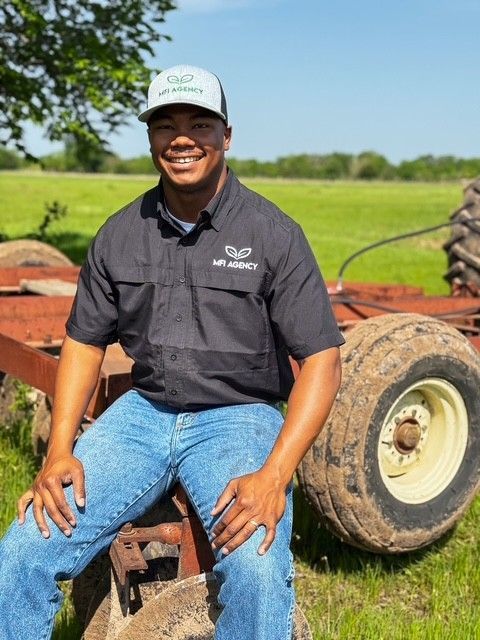
As Owner of MFI Agency, I bring firsthand experience as a farmer and business owner to helping clients protect what matters most. I focus on providing straightforward, dependable insurance solutions for farms, ranches, and commercial operations—built on trust, local values, and a deep understanding of the agricultural community.
Contact Us
Protection Built for Business Operations
Commercial Insurance Solutions
At MFI Agency, we deliver commercial insurance options designed to help businesses stay protected against common risks and unexpected challenges. Our coverages provide financial security so you can focus on growing your operation with confidence.
General Liability Insurance
Protect your business from claims of bodily injury, property damage, and personal injury.
Commercial Auto Insurance
Insure your trucks, trailers, and vehicles used for business purposes.
Commercial Umbrella Insurance
Extend your liability protection beyond the limits of your existing policies.
Excess Liability Insurance
Extra coverage to help protect your business from large, unexpected claims.
Experience and solutions tailored to your field.
Focused Protection for Specialized Industries
Every industry faces unique risks. At MFI Agency, we focus on industries that require specialized knowledge and strategic coverage. From traditional farming to agricultural innovation, we help protect the operations that feed, grow, and build our communities.
Farms
Read More
GET INSURED NOW!Protecting row crop farms, dairies, and aquaculture facilities with tailored insurance solutions.
Ranches
Read More
GET INSURED NOW!Coverage for cattle operations and livestock businesses to safeguard your livelihood.
Ag Suppliers
Read More
GET INSURED NOW!Insurance for feed mills, grain elevators, and input suppliers supporting agriculture.
Food Processors
Read More
GET INSURED NOW!Customized protection for commercial kitchens, processors, and manufacturers.
Food Distributors
Read More
GET INSURED NOW!Coverage for fleets, warehouses, and distribution networks moving products safely.
Retail/Foodservice
Read More
GET INSURED NOW!Insurance solutions for independently owned restaurants, cafes, and small food service operations.
Your Path to Better Protection
How to Get Started with MFI Agency
Getting the right insurance doesn’t have to be complicated. At MFI Agency, we follow a straightforward process to understand your needs and match you with the right coverage. Whether you’re insuring a ranch, agribusiness, or commercial operation, we’re here to guide you every step of the way.
FAQs About Our Services
Answers to Common Insurance Questions
Providing clarity on coverage and policies.
How does equipment breakdown insurance work for farms?
Equipment breakdown insurance provides coverage for unexpected mechanical or electrical failures of essential farm equipment. This includes machinery like irrigation systems, refrigeration units, and milking machines. Such coverage helps mitigate repair or replacement costs that aren't typically covered under standard property insurance.
For instance, if a power surge damages your grain dryer, equipment breakdown insurance can cover the repair expenses and any associated income loss due to downtime. This ensures that your farming operations can resume promptly without significant financial setbacks.
Can I get replacement cost coverage on tractors and farm equipment?
Yes, many insurance providers offer replacement cost coverage for tractors and farm machinery. This type of coverage reimburses you for the cost of replacing damaged equipment with new items of similar kind and quality, without deducting for depreciation.
For example, if your tractor is destroyed in a fire, replacement cost coverage would cover the expense of purchasing a new tractor of comparable specifications. It's important to note that eligibility for this coverage often depends on the age and condition of the equipment.
Do I need farm insurance if I am a hobby farmer?
Absolutely. Even if your farming activities are part-time or not your primary income source, hobby farm insurance is crucial. Standard homeowners insurance policies typically exclude coverage for farming operations, which means structures like barns or equipment like tractors may not be protected.
Hobby farm insurance provides tailored coverage for your unique needs, including protection for outbuildings, equipment, and liability risks. Whether you're selling produce at a local market or simply maintaining a small flock of chickens, this insurance ensures that your assets and activities are adequately covered.
We are licensed in Arkansas, Colorado, Iowa, Kansas, Oklahoma, Tennessee, Texas, Pennsylvania, and Utah.
Helpful Insights for Farmers and Business Owners
Latest Articles from MFI Agency
At MFI Agency, we believe informed clients make better decisions. Our blog shares practical tips on farm and business insurance, industry updates, and strategies to help protect what you’ve built. Whether you're managing crops, equipment, or employees — we’ve got helpful content to guide you.
Is Your Farm Truck Covered Off-Road? What Texas Farmers Need to Know About Commercial Auto Insurance
Address
4216 Wesley St.Greenville, TX 75401
Contact Us
info@mfi-services.com
Call Us (903) 551-7903
Agency Hours:
Monday - Friday: 8:00am - 5:00pm
Start Your Insurance Journey with Confidence
Get a Quote from MFI Agency
Protect your farm, ranch, or business today.
Contact Us
Contact Us