


Top 3 Recommended Policies

Arkansas farmers understand that every day on the farm can present a challenge, from unexpected weather changes to disease outbreaks among livestock. When it comes to safeguarding a poultry operation in Arkansas, having the right insurance is indispensable. The poultry industry in this state is a powerhouse, with millions invested into production, jobs, and community livelihoods. As an essential tool for mitigating risks, poultry farm insurance is a subject that deserves careful consideration.
Recent figures show that the poultry sector provided a substantial boost to Arkansas' agricultural cash receipts. For example, in 2024, poultry accounted for a significant portion of the state's overall revenue
according to The Poultry Federation. This article navigates through the critical aspects of poultry farm insurance, exploring industry insights, challenges, and ways to safeguard investments.
Understanding the Arkansas Poultry Industry
The poultry industry in Arkansas is not only a cornerstone of the state's agricultural economy, but it also represents an essential element of rural communities’ stability. With over 6,500 farms raising poultry across the state, particularly concentrated in Benton County, every regional decision affects a vast network of farmers and workers. The scale of production is immense, with billions of pounds of broiler meat produced annually, ensuring that the industry maintains its place among the top poultry producers nationally.
Statistics from recent years reveal that in 2023, Arkansas produced 7.44 billion pounds of broiler meat, contributing billions of dollars in revenue. These impressive figures highlight the magnitude of poultry's influence in the local economy. Industry leaders emphasize the role poultry plays in fueling the state's agricultural success, with production numbers that continue to serve as the backbone of rural livelihood.
Maintaining such a large-scale production environment requires more than just careful management and strategic planning; it also demands effective risk management strategies. Insurance policies tailored for poultry operations are designed to protect against a spectrum of risks, making them an essential part of a comprehensive business plan.
Risks and Challenges Facing Poultry Farms
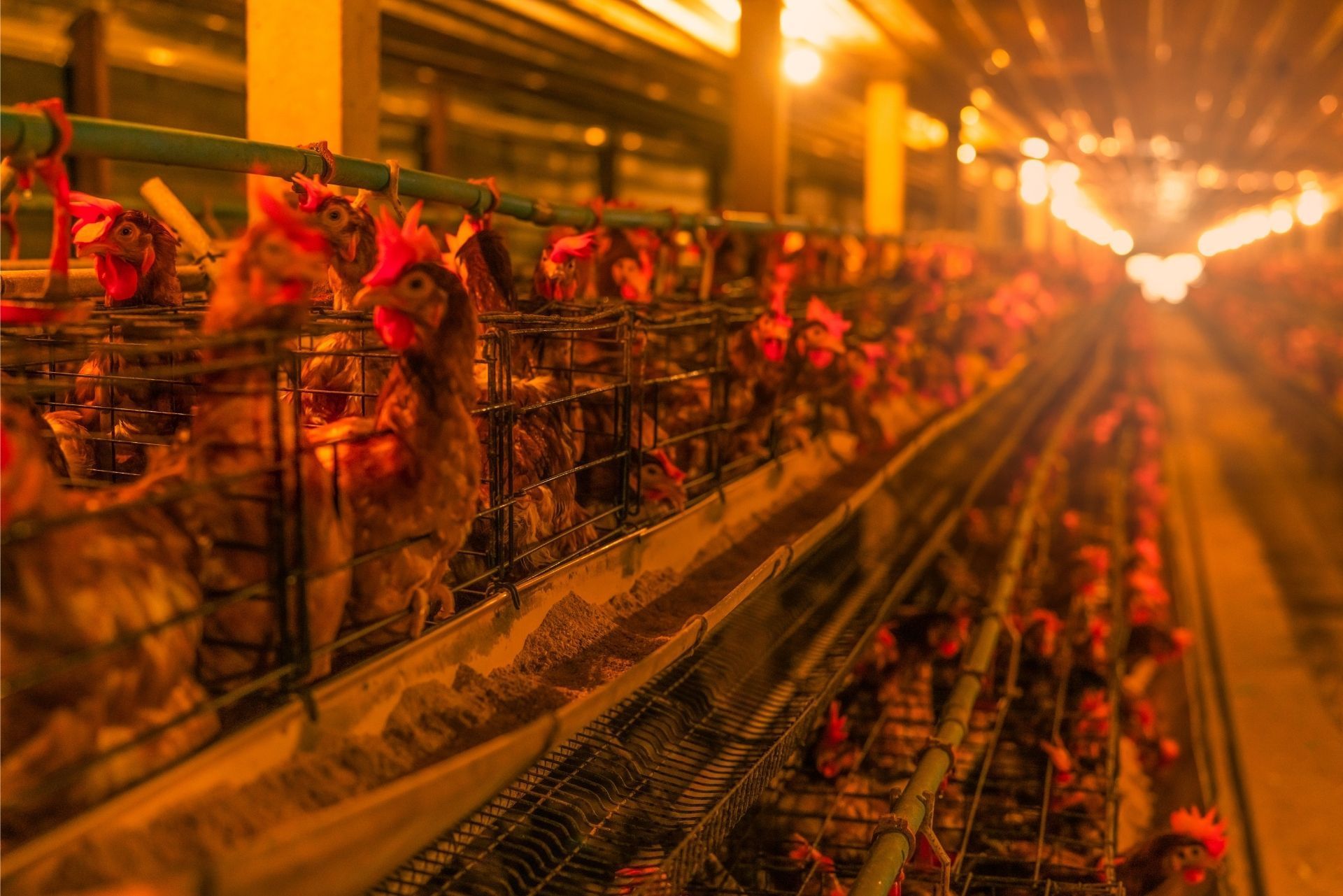
Poultry farms face a variety of risks that can disrupt their day-to-day operations and jeopardize long-term profitability. Among these challenges, disease outbreaks and plant closures are among the most significant. In recent history, avian influenza shook the industry, affecting not only production but also worker safety and overall market stability.
Arkansas has managed to navigate these turbulent times better than many states. According to insights from Arkansas Agriculture Secretary Wes Ward, avian influenza has had a substantial impact on the industry across the nation. However, due to effective management and robust biosecurity measures, the state reported no commercial poultry HPAI detections as of mid-December 2024 from the University of Arkansas System Division of Agriculture, a sharp improvement from the previous year's challenges.
Another prevalent challenge is the effect of plant closures and restructuring, events that led to significant job losses and increased hardships for producers. The fluctuating nature of production facilities, compounded by quality issues such as woody breast and white striping in broiler meat, underscores the importance of disaster planning and insurance coverage that is responsive to industry-specific risks. Such defects not only impact the product quality but also cause lost yields and downgraded products, costing the industry millions in lost revenue.
Types of Poultry Farm Insurance Coverage
When choosing insurance coverage, poultry farm owners have several options to consider. Each type of policy addresses specific needs and vulnerabilities that are unique to the poultry sector. A comprehensive insurance package often includes coverage for property, liability, equipment breakdown, and business interruption.
Basic coverage generally focuses on protecting physical assets, such as the farm buildings, machinery, and the flocks themselves. In a situation where a natural disaster or unforeseen event destroys key assets, having property insurance can be the difference between recovery and financial ruin. These policies often include coverage for structural damage, repair costs, and replacing farm machinery.
Liability insurance, on the other hand, covers incidents that occur on the premises which could lead to injury or damage to a third party’s property. As poultry farms often have large facilities with numerous employees, liability insurance is indispensable in mitigating the risk of lawsuits or compensation claims. For instance, animal escapes or accidents at a farm processing plant can lead to substantial legal challenges.
Property and Equipment Coverage
Property coverage is essential for poultry farmers who want to protect their investments. The insurance typically extends to buildings, equipment, and even livestock in certain cases. In times of natural disasters such as tornadoes or floods, property damage is not only a disruptive setback but also a financial strain. Insurance can help replace damaged machinery and rebuild infrastructure so that the operation can resume quickly.
Equipment breakdown insurance offers additional coverage for equipment failures. This is crucial in modern poultry production where automated systems and specialized processing equipment are integral to maintaining production quality and efficiency.
Liability and Business Interruption Insurance
Liability protection ensures that farms are covered for incidents that may happen onsite. With the complexity of poultry operations, including the use of various chemicals and equipment, risk exposure is high. Liability coverage provides financial protection and legal assistance in the event of accidents or unforeseen incidents.
Business interruption insurance complements these policies by providing coverage for lost income in the aftermath of an event that disrupts normal operations. For farms that rely on consistent production and timely distribution, any interruption can ripple through the local market, affecting not only the farm’s profitability but also the regional economy
How to Choose the Right Insurance Policy
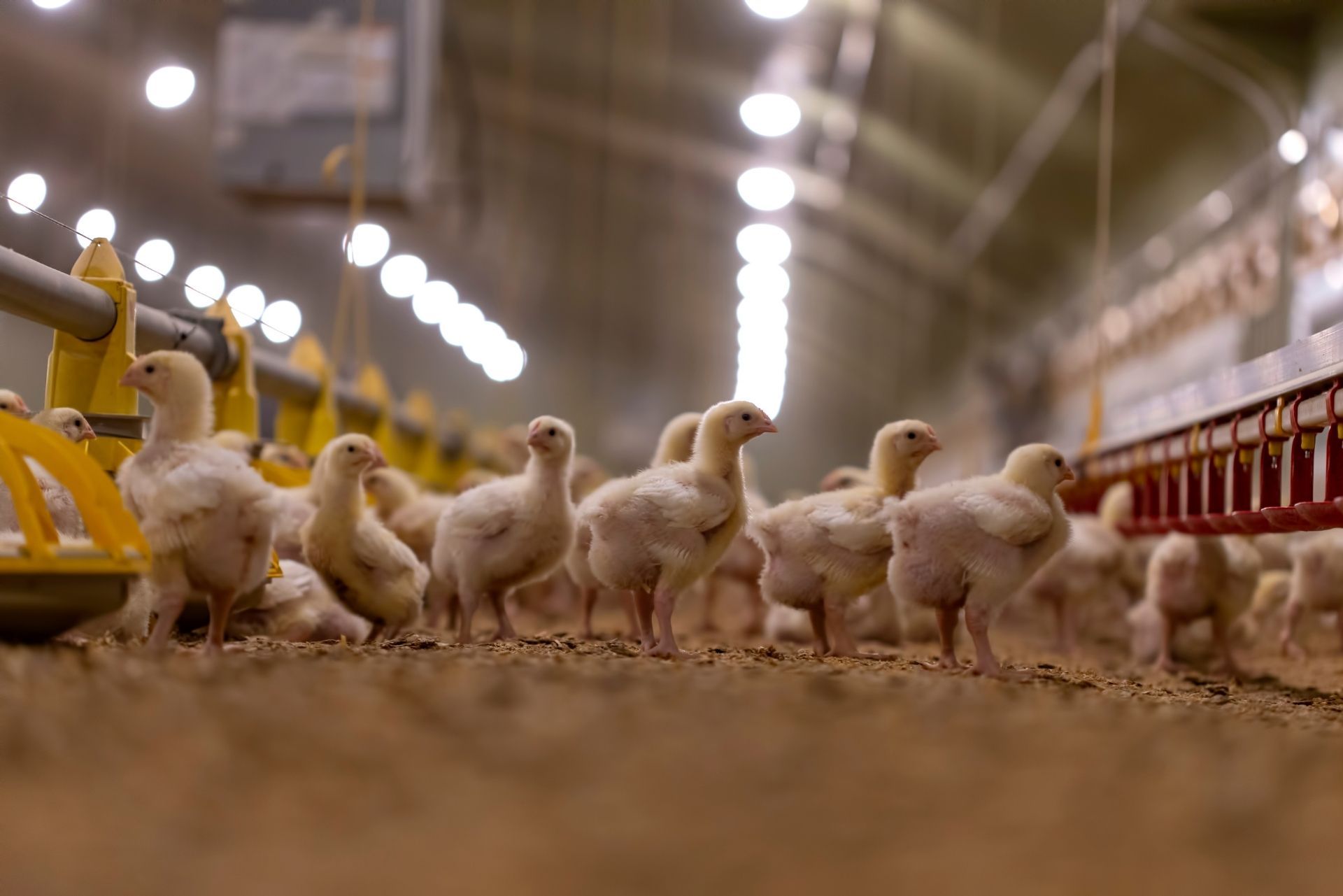
Selecting the right insurance policy involves a thorough analysis of the farm’s operations, risk exposure, and long-term financial goals. Farmers must assess the unique vulnerabilities of their operation, ranging from environmental risks to equipment failures or production issues. Given the complexity of poultry farming in Arkansas, consultations with insurance experts who understand agricultural needs can be invaluable. This targeted advice often proves more beneficial than generalized policies.
It is common for policy providers to bundle several types of coverage into a single package. These packages are designed to offer comprehensive protection without the need for multiple separate policies, which can be confusing and expensive. One recommended approach is to conduct a risk assessment with the support of an expert who can identify the areas that need immediate attention and those that might be less critical.
Farm owners should also consider the industry's cyclical nature. Insurance premiums and coverage limits may vary depending on seasonal risks, market conditions, and even regional events. As an example, plant closures and restructuring have posed additional challenges in 2024, leading to job losses and difficulties for producers
according to reports from the University of Arkansas System Division of Agriculture. Awareness and preparedness are keys for mitigating these risks.
Impact of Market Changes and Industry Trends
The market dynamics of the poultry industry play a significant role in determining insurance needs. With poultry production contributing a dramatic $6.7 billion in cash receipts in 2024 as reported by The Poultry Federation, fluctuations in the economy may influence the types of risks that become more pronounced over time.
The possibility of disease outbreaks, particularly avian influenza, continues to be a pressing concern. Despite recent improvements with no detections of commercial poultry HPAI as of mid-December 2024, the potential for future outbreaks remains a key consideration for the industry. These events not only affect supply chains but also impact the reputation and market value of poultry products. Consequently, comprehensive insurance policies must include safeguards against disease-related losses.
In addition to biological risks, studies conducted by the University of Arkansas on meat quality defects have uncovered another layer of complexity within poultry production. Research indicates that conditions such as woody breast and white striping result in downgraded products and cost the industry millions in lost yields
according to University of Arkansas findings. These quality issues further underscore the importance of having robust insurance in place to help mitigate financial impacts during periods of suboptimal production.
Addressing Disease Outbreaks with Insurance
Emerging diseases, as well as seasonal outbreaks, demand that poultry farm insurance remains agile and responsive. Avian influenza, in particular, requires ongoing vigilance. State officials have noted that while the poultry industry has been severely tested by this disease, Arkansas has managed to withstand its effects better than many competitors. This resilience is largely due to proactive measures, including effective biosecurity and rapid communication methods.
When a disease outbreak occurs, the value of insurance becomes evident. Business interruption policies that cover losses due to forced shutdowns and reduced production rates are critical. Moreover, tailored health insurance policies may also cover some aspects of disease containment and recovery costs. The dynamic nature of these risks means that periodic policy reviews and updates are crucial to maintain adequate protection.
In addition to financial assistance, a well-prepared insurance policy provides peace of mind. With responsibilities spread across risk management, incident response, and even crisis communication, having a reliable insurer with expertise in agricultural operations can make all the difference.
Insurance Costs and Economic Considerations
Balancing the cost of insurance against overall profitability is always a challenge for poultry farmers. With average wages around $60,000 a year in the industry, as noted by industry experts according to High Plains Journal, managing expenses is a top priority. Insurance premiums, though necessary, can represent a significant part of the operating budget, particularly for smaller farms operating on razor-thin margins.
However, the reality of potential losses – whether from property damage, liability claims, or business interruptions – often justifies the cost. Investors and lenders alike recognize that farms with comprehensive insurance are lower-risk ventures. As such, the assurance of having the needed coverage can also ease the path to securing additional capital and financing for future growth.
Cost considerations also extend to the coverage limits and deductibles selected. A careful analysis of risk versus cost is essential, as over-insuring in an area with minimal risk might be unnecessarily expensive, whereas under-insuring could leave a farm financially exposed when disaster strikes. Consulting with experts who understand both insurance markets and the specifics of poultry operations can help strike the right balance between cost and coverage.
Innovations and Future Trends in Poultry Insurance
As the poultry industry evolves, so does the nature of insurance products tailored to its needs. Insurers are progressively incorporating the latest data analytics and risk management technologies to offer policies better suited to the modern agricultural landscape. Enhanced monitoring tools and early warning systems are being integrated into premium offerings, allowing for more dynamic premium adjustments based on real-time risk assessments.
Innovations in technology also mean that insurance companies can more accurately forecast and price risks associated with weather patterns, disease outbreaks, and even market fluctuations. This modern approach to risk management not only benefits insurers but also provides farmers with policies that are more reflective of their current operational realities.
The ongoing research conducted within Arkansas, especially by institutions such as the University of Arkansas, continues to influence the way insurance policies are structured. As findings emerge about production challenges such as meat quality issues and emerging diseases, insurers are able to refine their products accordingly. This symbiotic relationship between research and insurance helps in building policies that are progressively more comprehensive and cost-effective.
Comparing Insurance Options: A Closer Look
Understanding the various types of insurance available for poultry farms involves comparing their benefits and limitations. A side-by-side analysis of property, liability, and business interruption coverage can help clarify which aspects of a farm's operations may require additional focus. Below is a comparison chart that highlights the key differences between basic coverage policies and extended coverage packages.
Insurance Coverage Comparison Table
| Coverage Type | Basic Policy | Extended Coverage |
|---|---|---|
| Property Coverage | Protects physical assets, buildings, and equipment | Includes additional risks such as environmental damage and zoonotic disease impacts |
| Liability Coverage | Covers onsite and third-party claims | Expanded to include product liability and indemnity claims |
| Business Interruption | Covers lost income from disasters | Additional coverage for extended shutdowns and supply chain disruptions |
| Equipment Breakdown | Basic repairs and replacements | Advanced coverage for high-tech machinery and critical processing systems |
This table serves as a guideline for poultry farm owners to understand the differentiation between policies. Determining the best option often means working with insurance professionals who can customize solutions according to specific needs and the operational scale of the farm.
Real-World Case Studies and Success Stories
Within Arkansas, numerous poultry farms have faced challenges that tested their resilience and highlighted the importance of waiting with comprehensive insurance. Several case studies show that having the right policy in place not only aids in recovery after a loss but also reinforces the confidence of investors and lenders
For instance, a large poultry producer in Benton County was able to recover swiftly from a sudden equipment breakdown that temporarily halted production. The property and equipment insurance provided a safety net, allowing the farm to repair critical machinery without disrupting overall operations. Such instances demonstrate the real-world benefits of tailored policies.
Other farms have reported that having insurance coverage against disease outbreaks allowed them to focus on biosecurity and rapid response, mitigating the overall financial impact. These success stories underscore that while challenges in the industry are inevitable, a well-crafted insurance plan can provide crucial support when it is most needed.
Steps to Take When Filing a Claim
The efficiency in processing claims can make all the difference when a poultry farm experiences an unexpected event. An organized and proactive steps plan is critical for ensuring that claims are filed promptly and resolved quickly. Begin by documenting all damage, retaining photographs, and keeping detailed records of any disruptions caused. This documentation supports the claim process and helps the insurance provider assess the extent of the damage accurately.
Most insurance policies will require early notification of any incidents. Engaging immediately with the insurer assists in the verification process and prevents delays that could exacerbate the financial impact. Keeping an open line of communication with the claims adjuster and providing all necessary documentation can speed up the recovery process significantly.
Moreover, some providers offer dedicated support services for poultry operations. These specialized services can guide farmers through the claim process, ensuring that all paperwork, repair documentation, and financial calculations are handled with expert care.
Ensuring Compliance and Staying Updated
With industry trends and regulatory changes in flux, preventing gaps in insurance coverage remains a top priority. Poultry farm insurance policies should be reviewed regularly to ensure that they align with current operational configurations. Changes in production scale, market conditions, or local regulations can affect the adequacy of existing coverage.
Farmers are encouraged to schedule periodic reviews with their insurance advisors. These reviews often capture new risk assessments or modifications in policy details that may not have been apparent at the time of purchase. With dynamic challenges such as disease outbreaks and quality concerns (for example, market disruptions due to meat quality issues like woody breast or white striping as highlighted by University of Arkansas research), adapting coverage is critically important.
Recordkeeping and compliance with both state and federal regulations help in ensuring that claims are processed smoothly during emergencies. Staying informed about technological advances in risk management, updated industry standards, and legislative changes all contribute to a more robust insurance strategy.
Economic Benefits and Community Impact
Poultry farm insurance not only protects individual farms but also contributes significantly to the broader economic and community landscape in Arkansas. The poultry industry fuels thousands of jobs and supports ancillary industries, creating a ripple effect that touches almost every segment of the local economy. With average wages in the sector being robust, the financial health of poultry operations lends a degree of confidence to rural communities.
For many in the region, poultry farming is more than just a business-it is a way of life. The stability offered by proper insurance coverage safeguards not only monetary investments and properties but also the lives and livelihoods of those who depend on the industry. As farmers manage the delicate balance between operational risks and market pressures, knowing that they have a safety net in place strengthens their position to invest in future growth and innovation.
Insurance is also a tool that enhances the trust between producers and financial institutions. Farms with comprehensive coverage are often viewed as lower risk by banks and investors, resulting in easier access to credit and capital investments. Such economic benefits further reinforce the importance of a well-rounded risk management strategy in the poultry industry.
Frequently Asked Questions
Below is a list of questions that many poultry farm owners in Arkansas often ask when considering insurance options:
Q: Why is poultry farm insurance so important?
A: Poultry farm insurance protects against various risks, from property damage due to natural disasters to losses stemming from disease outbreaks. This coverage is essential in maintaining steady operations and financial stability.
Q: What types of coverage should a poultry farm consider?
A: Typical policies include property, equipment breakdown, liability, and business interruption coverage. Each type addresses different potential losses, ensuring a comprehensive safety net for the farm.
Q: How does disease management factor into insurance claims?
A: Insurance policies often cover losses incurred during disease outbreaks, such as avian influenza. Proper documentation and prompt reporting enhance the likelihood of a favorable claim resolution.
Q: Can insurance help if a farm experiences equipment failures?
A: Yes. Equipment breakdown coverage is designed to cover the costs of repairing or replacing critical machinery, minimizing operational downtime.
Q: How do market trends affect insurance premiums?
A: Fluctuations in production volume, revenue changes, and evolving risks can influence premium rates. Regular reviews ensure that the policy remains aligned with the farm's actual risk exposure.
Q: Who can assist in selecting the right insurance policy?
A: Insurance experts who specialize in agricultural operations can offer advice tailored to the specific needs of poultry farms, ensuring that farmers secure optimal coverage at competitive rates.
What to Remember When Securing Poultry Farm Insurance
Every poultry farm in Arkansas, regardless of its size, faces unique risks and challenges that require tailored insurance solutions. The interplay between market dynamics, emerging diseases, and production challenges necessitates that farm owners review and update their insurance policies regularly. By selecting comprehensive coverage that addresses property, liability, equipment, and business interruption needs, farmers can manage risks more effectively while ensuring continuous operation even in adverse conditions.
Real-world examples from the Arkansas poultry industry-all the way from managing trade fluctuations to recovering from unexpected equipment failures-demonstrate that proper insurance coverage is a critical safety net. Adequate insurance is also a strategic business tool, reinforcing market confidence and enhancing access to financial resources.
Relying on trusted research and industry insights, such as the detailed statistics published by
The Poultry Federation and recent updates from the University of Arkansas System Division of Agriculture, allows poultry farm owners to make informed decisions. As challenges persist and evolve, the need for updated insurance policies remains constant and indispensable.
Looking Ahead: Strategies for the Future
The future of poultry farm insurance in Arkansas will likely reflect the broader trends in agricultural risk management. With emerging technologies, advanced monitoring systems, and updated research on production quality, insurance policies are poised to become more adaptive and tailored to the specific demands of poultry operations. Market leaders are already considering ways to integrate dynamic risk assessment tools, which can help in forecasting potential issues before they become critical problems.
Farms that invest in modern risk management techniques alongside comprehensive insurance policies will find themselves better positioned to navigate the uncertainties of the industry. This integrated approach not only reduces unexpected financial setbacks but also paves the way for sustainable growth and technological innovation in production processes.
Stakeholders throughout the poultry value chain-from farm owners to insurers and researchers-must collaborate to build strategies that can address both current challenges and future risks. As research continues to offer new insights, the dialogue between agricultural experts and insurance providers will shape policies that are flexible and robust enough to handle what lies ahead.
Final Thoughts
Securing poultry farm insurance in Arkansas means more than just buying a policy; it represents a strategic investment in the longevity, profitability, and overall sustainability of a farm. As the poultry industry grows and evolves, so do the risks it faces, making comprehensive and adaptable insurance coverage indispensable. The integration of industry research, technological innovations, and expert advice creates a framework in which agriculture not only survives disruptions but thrives in their wake.
Farmers who adopt a proactive approach to reviewing, updating, and tailoring their insurance policies ensure that they remain resilient in the face of unexpected challenges. From managing disease outbreaks like avian influenza to coping with quality issues and market downturns, the right insurance coverage stands as a cornerstone of long-term success. With continued advancements in risk management and close collaboration between producers and insurance experts, the poultry industry in Arkansas is set to remain robust and dynamic for years to come.
As the industry progresses and responds to emerging global and local challenges, staying informed and adaptive remains key. This commitment to proactive risk management and insurance sustainability is a model for other sectors, underscoring the overall economic strength of Arkansas' agriculture.
Conclusion
With poultry production comprising a major portion of Arkansas' agricultural landscape, insurance plays an essential role in ensuring business continuity and long-term success. Every facet of the operation-from preserving physical assets to managing liability concerns and minimizing business interruptions-calls for a tailored insurance strategy that reflects real-world challenges and evolving risks.
The lessons learned from recent disease outbreaks, equipment failures, and market fluctuations emphasize the importance of a comprehensive approach. By combining reliable research insights, such as the statistical evidence from industry reports and expert commentary, with targeted insurance solutions, poultry farm owners can secure a brighter, more stable future for their operations.
As the industry continues to face uncertainties, the commitment to staying updated with the latest trends and incorporating emerging technology into risk management practices will determine the pace at which resilience and profitability are maintained. Armed with the right coverage and informed by current data, Arkansas poultry farms are well-positioned to navigate both current challenges and future opportunities
as pointed out by industry experts.
About The Author:
Terren Moore

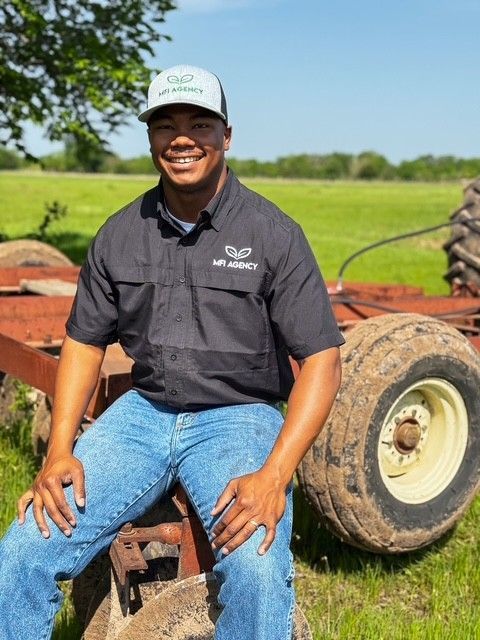
As Owner of MFI Agency, I bring firsthand experience as a farmer and business owner to helping clients protect what matters most. I focus on providing straightforward, dependable insurance solutions for farms, ranches, and commercial operations—built on trust, local values, and a deep understanding of the agricultural community.
Contact Us
Protection Built for Business Operations
Commercial Insurance Solutions
At MFI Agency, we deliver commercial insurance options designed to help businesses stay protected against common risks and unexpected challenges. Our coverages provide financial security so you can focus on growing your operation with confidence.
General Liability Insurance
Protect your business from claims of bodily injury, property damage, and personal injury.
Commercial Auto Insurance
Insure your trucks, trailers, and vehicles used for business purposes.
Commercial Umbrella Insurance
Extend your liability protection beyond the limits of your existing policies.
Excess Liability Insurance
Extra coverage to help protect your business from large, unexpected claims.
Experience and solutions tailored to your field.
Focused Protection for Specialized Industries
Every industry faces unique risks. At MFI Agency, we focus on industries that require specialized knowledge and strategic coverage. From traditional farming to agricultural innovation, we help protect the operations that feed, grow, and build our communities.
Farms
Read More
GET INSURED NOW!Protecting row crop farms, dairies, and aquaculture facilities with tailored insurance solutions.
Ranches
Read More
GET INSURED NOW!Coverage for cattle operations and livestock businesses to safeguard your livelihood.
Ag Suppliers
Read More
GET INSURED NOW!Insurance for feed mills, grain elevators, and input suppliers supporting agriculture.
Food Processors
Read More
GET INSURED NOW!Customized protection for commercial kitchens, processors, and manufacturers.
Food Distributors
Read More
GET INSURED NOW!Coverage for fleets, warehouses, and distribution networks moving products safely.
Retail/Foodservice
Read More
GET INSURED NOW!Insurance solutions for independently owned restaurants, cafes, and small food service operations.
Your Path to Better Protection
How to Get Started with MFI Agency
Getting the right insurance doesn’t have to be complicated. At MFI Agency, we follow a straightforward process to understand your needs and match you with the right coverage. Whether you’re insuring a ranch, agribusiness, or commercial operation, we’re here to guide you every step of the way.
FAQs About Our Services
Answers to Common Insurance Questions
Providing clarity on coverage and policies.
How does equipment breakdown insurance work for farms?
Equipment breakdown insurance provides coverage for unexpected mechanical or electrical failures of essential farm equipment. This includes machinery like irrigation systems, refrigeration units, and milking machines. Such coverage helps mitigate repair or replacement costs that aren't typically covered under standard property insurance.
For instance, if a power surge damages your grain dryer, equipment breakdown insurance can cover the repair expenses and any associated income loss due to downtime. This ensures that your farming operations can resume promptly without significant financial setbacks.
Can I get replacement cost coverage on tractors and farm equipment?
Yes, many insurance providers offer replacement cost coverage for tractors and farm machinery. This type of coverage reimburses you for the cost of replacing damaged equipment with new items of similar kind and quality, without deducting for depreciation.
For example, if your tractor is destroyed in a fire, replacement cost coverage would cover the expense of purchasing a new tractor of comparable specifications. It's important to note that eligibility for this coverage often depends on the age and condition of the equipment.
Do I need farm insurance if I am a hobby farmer?
Absolutely. Even if your farming activities are part-time or not your primary income source, hobby farm insurance is crucial. Standard homeowners insurance policies typically exclude coverage for farming operations, which means structures like barns or equipment like tractors may not be protected.
Hobby farm insurance provides tailored coverage for your unique needs, including protection for outbuildings, equipment, and liability risks. Whether you're selling produce at a local market or simply maintaining a small flock of chickens, this insurance ensures that your assets and activities are adequately covered.
We are licensed in Arkansas, Colorado, Iowa, Kansas, Oklahoma, Tennessee, Texas, Pennsylvania, and Utah.
Helpful Insights for Farmers and Business Owners
Latest Articles from MFI Agency
At MFI Agency, we believe informed clients make better decisions. Our blog shares practical tips on farm and business insurance, industry updates, and strategies to help protect what you’ve built. Whether you're managing crops, equipment, or employees — we’ve got helpful content to guide you.
Is Your Farm Truck Covered Off-Road? What Texas Farmers Need to Know About Commercial Auto Insurance
Address
4216 Wesley St.Greenville, TX 75401
Contact Us
info@mfi-services.com
Call Us (903) 551-7903
Agency Hours:
Monday - Friday: 8:00am - 5:00pm
Start Your Insurance Journey with Confidence
Get a Quote from MFI Agency
Protect your farm, ranch, or business today.
Contact Us
Contact Us