


Top 3 Recommended Policies

A commercial poultry operation in Georgia is more than a production facility; it is a vital part of the state's economic engine. With the poultry industry valued at roughly
$5.34 billion in 2016, protecting these assets with proper insurance is essential for long-term success and stability. The recent detection of highly pathogenic avian influenza (HPAI) in a commercial facility reminds industry players that disasters can strike unexpectedly. In this article, every aspect of poultry house insurance in Georgia is explored to help protect investments, livelihoods, and a significant piece of the state's economy.
Understanding the Importance of Poultry House Insurance in Georgia
The Role of Insurance in the Poultry Industry
Poultry house insurance is designed to protect farmers against unforeseen events that can cause damage to facilities, equipment, and livestock. The volatility of agricultural operations warrants a robust insurance policy that covers natural disasters, disease outbreaks, and operational mishaps. This type of coverage is especially relevant in a state like Georgia, where the sector forms an economic backbone for many rural communities.
Even though poultry insurance might seem like an added expense, it offers a financial safety net during crises. The wide range of risks that poultry farms face, from weather-related damages to disease outbreaks, makes a comprehensive coverage plan essential. As a result, insurers often work closely with farmers to evaluate risk factors and customize policies that match the specific needs of each operation.
With over
1,300 insured poultry farms
in Georgia, the importance of diligent risk management is underscored by the very numbers. By mitigating risks through tailored coverage solutions, poultry operators can focus on production, innovation, and growth without the looming fear of devastating setbacks.

Risk Factors and Threats in Georgia’s Poultry Industry
The Impact of Disease Outbreaks and Biosecurity Concerns
One of the most significant challenges for poultry farmers is the risk of disease outbreaks, particularly highly pathogenic avian influenza (HPAI). Earlier this year, Georgia encountered its first positive case of HPAI in a commercial operation, a reminder that stringent biosecurity measures are not optional but an absolute necessity. This incident has spurred both industry stakeholders and regulatory bodies to reassess biosecurity protocols throughout the state.
Tyler Harper, the Georgia Agriculture Commissioner, emphasizes that “Biosecurity isn't just a buzzword for us, it's a promise, because when you're dealing with the avian flu, you're not just managing a virus – you're protecting an entire state's economic backbone.” This statement resonates with farmers who must juggle production demands with rigorous disease prevention strategies.
The significance of biosecurity extends beyond merely preventing outbreaks. It also helps maintain consumer confidence, ensuring that products meeting high safety standards reach the market. For many operations, a solid insurance plan that accounts for biosecurity measures is part of a broader strategy to safeguard their business against both known and emerging threats.
Wild Bird Interactions and Supplemental Feeding Practices
Interactions between wild birds and backyard chickens present an ongoing challenge, one that can accelerate the spread of viruses within flocks. Studies have highlighted that supplemental feeding practices can inadvertently increase contact rates between wild birds and domestic poultry. This research underlines the importance of maintaining effective physical barriers and adherence to strict hygiene regimes.
When wild birds mingle with domestic flocks, the potential for viral transmission rises noticeably. This scenario complicates the already complex task of disease control in poultry operations. Insurance providers often consider the implementation of approved biosecurity measures a deciding factor in underwriting policies, ensuring that farmers who invest in preventive measures are rewarded with favorable terms.
In many cases, insurance companies collaborate with agricultural experts and rural extension services to create guidelines that mitigate these risks before they escalate into more serious problems.
What Does a Typical Poultry Insurance Policy Cover?
Poultry house insurance policies tend to be comprehensive. They cover physical buildings, equipment, and even losses related to livestock. In addition, these policies protect against damages arising out of fire, natural disasters, and disease outbreaks – elements that are central concerns for any poultry operation in Georgia. With the economic value of the industry in mind, having a robust policy can mean the difference between a temporary setback and a long-term financial crisis.
A policy may include coverage that is specifically tailored to the poultry industry, such as loss of income during periods of quarantine, or expenses incurred during biosecurity upgrades after a disease outbreak. It is also common to see endorsements for electronics or specialized equipment used in modern operations.
Understanding the details of one’s coverage is as important as buying the policy itself. Operating without proper insurance is akin to leaving a vital safety net unfastened. Owners must carefully review policy documents, particularly clauses related to virus outbreaks or environmental hazards. This in-depth understanding often leads operators to seek advice from insurance experts specialized in agricultural risks.
Customized Insurance Solutions for Unique Risks
Given the myriad of risks associated with modern poultry farming, many insurance providers now offer customized policies. These are tailored to account for unique challenges such as regional weather patterns, infrastructure age, and even particular farming techniques the operation employs. The customization process starts with a risk assessment that helps identify vulnerable points in the operation.
Many farmers will work closely with their brokers to design a policy that not only meets regulatory requirements but also addresses the specific needs of their operation. For instance, enhanced coverage options may include provisions that protect against warehouse damage from extreme weather. As such, investing in a custom-tailored plan is both an act of due diligence and a commitment to long-term sustainability.
Insurance companies leverage data from past incidents and research studies to build policies that realistically mirror the risk landscape. This forward-thinking approach is critical in a time when disease outbreaks or environmental challenges can quickly shift market conditions and business operations.
Market Trends and Economic Projections
Current Economic Value and Future Growth of Georgia’s Poultry Industry
The poultry industry in Georgia remains a key contributor to the state’s economy. With recorded valuations of $5.34 billion in 2016, the industry continues to be a major driver of economic growth in the agricultural sector. With trends indicating steady production growth and stable chicken prices, many stakeholders are optimistic about the future.
The 2025 Georgia Broiler Industry Forecast illustrates a cautious optimism among industry experts. With moderate production growth and controlled market pricing, poultry operators are preparing for both performance challenges and a more secure business outlook. It is a dynamic market that continually evolves in response to global trends and technological advancements in production practices.
This economic backdrop supports the investment in high-quality poultry house insurance, as it is an integral part of managing overall operational risks. In a market with such an impressive valuation, even a small interruption in operations could have large-scale economic impacts.
Impact of Natural Disasters and Global Markets
Georgia’s poultry farms are not immune to the effects of natural disasters. Weather extremes such as heavy rains, hurricanes, and droughts play a significant role in the overall risk profile of farms. Insurance policies are designed with these risks in mind, offering comprehensive plans that factor in potential loss due to environmental calamities.
Global market trends also influence the industry, affecting everything from feed prices to export demand. As farmers keep a pulse on both local and international conditions, they must balance production costs with the fluctuating nature of markets. Understanding these dynamics not only helps in daily operations but also informs decisions regarding investments in adequate insurance coverage.
Many farm operators now adopt proactive measures such as upgrading their facilities and improving biosecurity protocols to prepare for unpredictable weather. Such changes not only reduce risks but can also lead to more favorable insurance terms, as providers recognize lower overall exposure.
Biosecurity: A Critical Component of Risk Management
Implementing Robust Biosecurity Measures
Biosecurity remains a central pillar in the protection of poultry operations. In response to the first confirmed case of HPAI in January 2025 at a commercial operation in Georgia, stringent protocols have been rolled out across the state. Measures include restricting flock access to wild birds, enforcing strict hygiene practices, and creating physical barriers to minimize exposure.
Research from institutions like Georgia Tech reinforces the importance of these protocols. Studies have shown that biosecurity measures significantly reduce the likelihood of virus transmission between flocks and wild birds. Adopting these measures is crucial not only from a public health perspective but also in terms of managing insurance risk. With fewer incidents, insurance companies can offer more competitive premiums while maintaining robust risk pools.
When insurance carriers assess a policy, they consider whether a farmer has implemented modern biosecurity standards. This verification process helps to establish a track record of proactive risk management, paving the way for better insurance terms. Farmers who invest in such infrastructure also signal their commitment to maintaining high production standards.
How Insurance Providers Evaluate Biosecurity Practices
Insurance underwriters look at several key biosecurity measures when evaluating risk. Detailed assessments often cover the availability of quarantine areas, the frequency and thoroughness of cleaning operations, and the design of poultry houses themselves. Investments in advanced disinfection systems or controlled access points can positively influence policy pricing.
Additionally, insurance companies appreciate when operators undertake regular health assessments for their flocks. These assessments are an integral component of maintaining biosecurity, as they allow for early detection and swift mitigation of potential risks. Such practices not only protect the business but also contribute to the overall stability of the poultry supply chain in Georgia.
Aligning these operational practices with insurance requirements can create a virtuous cycle, where improvements in biosecurity lower both risk and insurance costs. In light of the recent outbreaks and enhanced oversight from state officials, this alignment is more critical than ever.
The Role of Government and Industry Regulations
Regulatory Environment Surrounding Poultry Operations
Government regulations at the state level play an essential role in shaping the risk profile for poultry operations. Regulatory bodies have introduced guidelines to improve biosecurity and manage potential outbreaks of diseases like HPAI. These guidelines often influence insurance underwriting standards and policy requirements across the board.
For instance, the steps taken by Georgia state officials following the first confirmed HPAI case have set a new benchmark for both poultry operations and the insurance policies that cover them. Compliance with these new standards directly impacts the ability to secure timely and affordable insurance coverage. Failing to update biosecurity practices according to state mandates can result in higher premiums or even policy rejections.
The alignment between state regulations and insurance policies helps ensure that the entire sector operates with a high degree of safety and accountability. This cooperation between government and the insurance industry is essential in maintaining both market confidence and operational resilience.
Industry Initiatives and Collaboration for a Safer Future
Industry-led groups and associations are stepping up to support improved standards for poultry production. Collaborative initiatives bring together experts from several domains, including veterinary science, agricultural economics, and risk management. These groups work closely with regulatory authorities, sharing data and best practices to shape effective, practical guidelines.
Through these initiatives, farmers gain access to the latest research and technological advancements in biosecurity. For instance, information derived from studies published on platforms like PubMed Central provides valuable insights on managing interactions between wild birds and domestic flocks. As a result, these efforts not only enhance day-to-day operations but also contribute to lower risk profiles for insured operations.
Industry collaborations have a ripple effect across the sector, paving the way for improved policy conditions and enhanced support from both governmental and insurance entities. By sharing experiences and pooling expertise, the poultry industry in Georgia is better prepared to face future challenges.
Financial Considerations and Premium Determinants
How Risk Assessments Shape Premiums
The determination of insurance premiums for poultry houses is a complex process that factors in multiple risk determinants. Insurance providers conduct detailed assessments based on farm size, biosecurity protocols, historical loss data, and even local environmental factors. These assessments are crucial in setting premium rates that accurately reflect the underlying risk.
Farms that invest in state-of-the-art biosecurity measures, regular health assessments, and facility upgrades tend to receive more favorable rates. The emphasis is on proactive risk management. Such farms significantly reduce the potential for disease outbreaks and property damage, making them less risky for underwriters.
Recent improvements in risk management practices have helped stabilize premium rates, even when external threats like HPAI are on the horizon. In an environment where every dollar counts, understanding how premium determinants work is essential for managing operating costs and ensuring long-term profitability.
Strategies for Managing and Reducing Premium Costs
Farmers and poultry house operators can employ several strategies to manage and lower their insurance premiums. Investing in physical improvements to poultry houses, adopting advanced biosecurity practices, and documenting these strategies meticulously are key approaches. These not only show a commitment to risk reduction but also help demonstrate to insurers that the operation is less vulnerable to potential threats.
Regular consultations with insurance brokers and risk management professionals can further assist in tailoring coverage that is both comprehensive and cost-effective. Such consultations offer deeper insights into the evolving regulatory landscape and market trends that might impact insurance rates in the near future.
In addition, some insurers may offer discounts or incentives for farms participating in industry-led regulatory initiatives or advanced training programs. Taking advantage of these opportunities not only reduces premium costs but also reinforces the commitment to maintaining high standards in operational safety and efficiency.
Coverage Options and Comparative Analysis
Comparing Basic and Extended Coverage Plans
When selecting a poultry house policy, it is important to compare the coverage options available. Basic plans typically offer coverage for the physical structure, equipment, and liabilities related to day-to-day operations, while extended plans cover additional risks such as business interruption during biosecurity emergencies or expense claims related to disease outbreak management.
Below is a table that offers a side-by-side comparison of basic versus extended poultry coverage options:
| Coverage Feature | Basic Coverage | Extended Coverage |
|---|---|---|
| Physical Damage | Buildings, equipment, and immediate damages | Includes additional repair costs and replacement parts |
| Livestock Loss | Standard loss due to uncontrollable incidents | Covers extended losses including disease outbreaks |
| Business Interruption | Limited to immediate operational losses | Extended period coverage with quarantine adjustments |
| Biosecurity Investments | Not typically included | May include reimbursement for approved biosecurity upgrades |
This comparison helps illuminate the differences in coverage levels and the underlying cost implications. Operators must match their needs carefully with the right level of coverage. In doing so, they ensure that the investment in insurance pays dividends during unforeseeable events.
While both levels offer protection, the extended plan is particularly attractive for larger operations or those looking to safeguard against risks that can lead to prolonged financial disruption.
Understanding Policy Exclusions and Limitations
Every insurance policy has its own set of exclusions and limitations. It is crucial for poultry operators to carefully review these sections to know what is covered and what is not. Policy exclusions often include damages due to intentional actions, wear and tear, or losses related to non-compliance with biosecurity measures.
Operators who fail to adhere to state guidelines or neglect regular maintenance may find themselves facing gaps in coverage. Consequently, a periodic review of policies in consultation with knowledgeable experts is recommended. This proactive approach helps in ensuring the policy remains aligned with the operational changes and emerging risks.
Understanding policy details can also lead to better negotiating power when discussing coverage and designing custom solutions with insurers. The goal is not only to secure insurance but also to secure protection that truly covers the multifaceted risks of the poultry industry.
Case Studies and Industry Insights
Real-World Examples of Risk Management in Action
Several poultry operations in Georgia have faced challenging situations that underscore the need for robust insurance coverage. One such example involves a large-scale operation that suffered significant losses following a natural disaster combined with an outbreak of disease. The comprehensive insurance plan that the farm had in place not only covered physical damages but also provided critical support during a period of business interruption.
This case illustrates the consequences of inadequate risk management and highlights how proper insurance could have broken the cycle of financial instability. In contrast, other operations that invested in enhanced biosecurity and preventive measures were able to secure more affordable insurance and avoid substantial losses. The lessons learned from these instances continue to shape industry practices and encourage farms to adopt a more proactive approach to risk mitigation.
Learning from past experiences, many farms now view insurance as a core component of their overall business strategy, not just as an afterthought in times of crisis. The experience of these farms resonates with the sentiment expressed by Georgia Agriculture Commissioner Tyler Harper, who notes the importance of swift action and steadfast commitment in managing outbreaks.
Insights from Industry Experts and Regulators
Conversations with industry professionals and regulators shed light on the evolving nature of poultry house insurance in Georgia. Experts agree that the promotion of enhanced biosecurity strategies and better risk management practices is changing the way insurance companies view the poultry sector. The emerging trend is a move towards policies that reward smart, preventive investments.
Renowned industry voices emphasize that insurance is not just about mitigating losses; it is about preserving livelihoods and maintaining confidence in the industry’s future. These discussions also reveal a cooperative framework where insurers, regulators, and farmers work closely to refine risk assessments on an ongoing basis, reflecting new data and advanced technologies. Such dynamic relationships further strengthen the value of tailored insurance products and underscore the critical role they play in the long-term stability of the industry.
The insights provided by experts bring reassurance to operators, illustrating that while challenges remain, the collaborative efforts in the poultry industry are paving the way for a safer, more resilient future.
Financial Planning and Long-Term Business Strategy
Incorporating Insurance into Broader Risk Management
Poultry house insurance should be considered an integral part of any long-term business strategy. It is both a hedge against disaster and a tool that supports overall financial planning. Farm operators who take the time to analyze their risk profiles and evaluate their insurance needs are better positioned to bounce back from unforeseen setbacks.
Long-term planning typically involves a great deal of forecasting-not just for production levels and market trends-but also for potential risks that could disrupt operations. Comprehensive insurance plays a critical role in absorbing the impact of such events, ensuring that the farm resumes normal operations swiftly and efficiently. In many cases, insurance also covers costs associated with mandatory biosecurity upgrades, creating a safety net that supports both current operations and future growth.
Integrating risk management with financial strategy ensures that investments are protected and that any downturn is mitigated by a robust safety net. Farmers increasingly see the value of this integration, as evidenced by rising participation in programs that offer discounted premiums for operations that undergo regular risk assessments and proactive improvements.
Assessing the Return on Investment in Poultry House Insurance
Insurance is often viewed as an expense rather than an investment. However, the unpredictable nature of poultry farming transforms this expense into a long-term benefit. The ROI on poultry house insurance is assessed not only in monetary terms but also through the lens of operational continuity, risk reduction, and even improved market reputation.
A well-designed insurance plan minimizes downtime, reduces recovery costs after an incident, and supports farms during periods of financial stress. Thus, the cost of premiums must be weighed against the potentially catastrophic losses that can occur in the absence of coverage. For many farmers, the peace of mind provided by thorough, well-managed insurance coverage translates directly into better decision making and a more stable operation overall.
As financial pressures mount in today’s competitive environment, the ability to maintain continuous production becomes a strategic advantage. This forward-thinking approach reinforces the notion that sound insurance planning is not just about meeting regulatory requirements-it is about building a foundation that supports sustained success and profitability.
Frequently Asked Questions About Poultry House Insurance
What exactly is covered under a poultry house insurance policy?
Coverage typically includes physical damage to buildings, equipment, and losses from inventory and livestock. Some policies expand to encompass business interruptions, disease outbreaks, or even specific risks related to biosecurity breaches.
How does biosecurity affect insurance premiums?
Insurance providers consider strong biosecurity measures as indicators of reduced risk. Farms that comply with stringent protocols are often rewarded with lower premiums and enhanced policy terms.
Are there discounts available for farms that invest in modern biosecurity practices?
Yes. Many insurers provide discounts or tailored terms for operators who demonstrate proactive investments in biosecurity and infrastructure enhancements.
What steps should a farm take before applying for insurance?
It is advisable to conduct a thorough risk assessment, review all biosecurity measures, and consult with an insurance broker specializing in agricultural risks. This proactive preparation can lead to more accurate policy matching and better premium rates.
How do natural disasters and outbreaks influence policy conditions?
Incidents like hurricanes or disease outbreaks trigger detailed policy reviews. Operators with comprehensive risk management and upgraded biosecurity measures typically experience less severe financial impacts and smoother claim processes.
What resources are available for learning more about poultry house insurance specifics?
Industry reports, state regulatory guidelines, and specialized agricultural insurance brokers provide valuable information. Many organizations also publish studies and updates on best practices, which can guide farm operators in making informed decisions.
Wrapping Things Up
The poultry industry in Georgia stands as a critical economic sector, and the proper management of risks through comprehensive insurance is no longer optional-it is essential. With proven measures like enhanced biosecurity drastically reducing the spread of diseases and protecting valuable assets, poultry house insurance offers a vital layer of financial security. Recent challenges, including the confirmation of HPAI in a major commercial operation, have served as a stark reminder of the unpredictable nature of life in agriculture.
As demonstrated by ongoing collaborations between industry experts, government bodies, and insurers, the approach to risk management is evolving rapidly. Operators who invest in secure facilities, reliable biosecurity protocols, and tailored insurance coverage not only safeguard their operations but also contribute to the resiliency of Georgia’s broader agricultural economy.
This sustained emphasis on preparedness is reflected in state policies and market forecasts, urging every stakeholder to stay informed and proactive. Careful planning and continuous adaptation are the keys to thriving in a competitive, high-stakes market. Considering that over
1,300 poultry farms in Georgia are insured, the move towards comprehensive and customized coverage is clear evidence of the industry's commitment to a secure, brighter future.
Final Thoughts
As poultry operations navigate the increasingly complex landscape of risk management, insurance remains a steadfast ally. Aligning best practices in biosecurity with well-reviewed insurance policies creates a robust framework that can weather storms-both literal and figurative. The proactive measures taken by farms not only safeguard the economic value of the poultry industry but also enhance overall stability for the entire agricultural community.
There is an undeniable synergy between biosecurity investments, personalized risk assessments, and the financial protection offered by comprehensive insurance. Whether it is handling disease outbreaks or preparing for natural disasters, informed decisions about insurance coverage empower farm operators to safeguard their assets effectively while focusing on growth and operational excellence.
For those navigating the path of poultry production in Georgia, the journey towards a secure future begins with understanding and integrating the right insurance solutions. With strong support from governmental guidelines and industry collaborations, poultry house insurance is proving to be indispensable in building resilience and ensuring that the economic backbone of the state remains robust even in turbulent times. Staying informed, prepared, and connected with experts in the field is not merely a recommendation-it is a strategic imperative for every modern poultry operation.
About The Author:
Terren Moore

As Owner of MFI Agency, I bring firsthand experience as a farmer and business owner to helping clients protect what matters most. I focus on providing straightforward, dependable insurance solutions for farms, ranches, and commercial operations—built on trust, local values, and a deep understanding of the agricultural community.
Contact Us
Protection Built for Business Operations
Commercial Insurance Solutions
At MFI Agency, we deliver commercial insurance options designed to help businesses stay protected against common risks and unexpected challenges. Our coverages provide financial security so you can focus on growing your operation with confidence.
General Liability Insurance
Protect your business from claims of bodily injury, property damage, and personal injury.
Commercial Auto Insurance
Insure your trucks, trailers, and vehicles used for business purposes.
Commercial Umbrella Insurance
Extend your liability protection beyond the limits of your existing policies.
Excess Liability Insurance
Extra coverage to help protect your business from large, unexpected claims.
Experience and solutions tailored to your field.
Focused Protection for Specialized Industries
Every industry faces unique risks. At MFI Agency, we focus on industries that require specialized knowledge and strategic coverage. From traditional farming to agricultural innovation, we help protect the operations that feed, grow, and build our communities.
Farms
Read More
GET INSURED NOW!Protecting row crop farms, dairies, and aquaculture facilities with tailored insurance solutions.
Ranches
Read More
GET INSURED NOW!Coverage for cattle operations and livestock businesses to safeguard your livelihood.
Ag Suppliers
Read More
GET INSURED NOW!Insurance for feed mills, grain elevators, and input suppliers supporting agriculture.
Food Processors
Read More
GET INSURED NOW!Customized protection for commercial kitchens, processors, and manufacturers.
Food Distributors
Read More
GET INSURED NOW!Coverage for fleets, warehouses, and distribution networks moving products safely.
Retail/Foodservice
Read More
GET INSURED NOW!Insurance solutions for independently owned restaurants, cafes, and small food service operations.
Your Path to Better Protection
How to Get Started with MFI Agency
Getting the right insurance doesn’t have to be complicated. At MFI Agency, we follow a straightforward process to understand your needs and match you with the right coverage. Whether you’re insuring a ranch, agribusiness, or commercial operation, we’re here to guide you every step of the way.
FAQs About Our Services
Answers to Common Insurance Questions
Providing clarity on coverage and policies.
How does equipment breakdown insurance work for farms?
Equipment breakdown insurance provides coverage for unexpected mechanical or electrical failures of essential farm equipment. This includes machinery like irrigation systems, refrigeration units, and milking machines. Such coverage helps mitigate repair or replacement costs that aren't typically covered under standard property insurance.
For instance, if a power surge damages your grain dryer, equipment breakdown insurance can cover the repair expenses and any associated income loss due to downtime. This ensures that your farming operations can resume promptly without significant financial setbacks.
Can I get replacement cost coverage on tractors and farm equipment?
Yes, many insurance providers offer replacement cost coverage for tractors and farm machinery. This type of coverage reimburses you for the cost of replacing damaged equipment with new items of similar kind and quality, without deducting for depreciation.
For example, if your tractor is destroyed in a fire, replacement cost coverage would cover the expense of purchasing a new tractor of comparable specifications. It's important to note that eligibility for this coverage often depends on the age and condition of the equipment.
Do I need farm insurance if I am a hobby farmer?
Absolutely. Even if your farming activities are part-time or not your primary income source, hobby farm insurance is crucial. Standard homeowners insurance policies typically exclude coverage for farming operations, which means structures like barns or equipment like tractors may not be protected.
Hobby farm insurance provides tailored coverage for your unique needs, including protection for outbuildings, equipment, and liability risks. Whether you're selling produce at a local market or simply maintaining a small flock of chickens, this insurance ensures that your assets and activities are adequately covered.
We are licensed in Arkansas, Colorado, Iowa, Kansas, Oklahoma, Tennessee, Texas, Pennsylvania, and Utah.
Helpful Insights for Farmers and Business Owners
Latest Articles from MFI Agency
At MFI Agency, we believe informed clients make better decisions. Our blog shares practical tips on farm and business insurance, industry updates, and strategies to help protect what you’ve built. Whether you're managing crops, equipment, or employees — we’ve got helpful content to guide you.
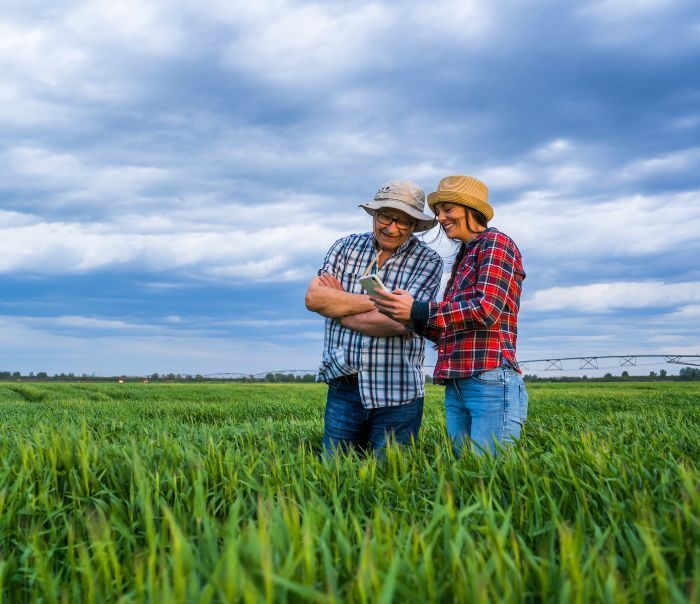
Is Your Farm Truck Covered Off-Road? What Texas Farmers Need to Know About Commercial Auto Insurance
Address
4216 Wesley St.Greenville, TX 75401
Contact Us
info@mfi-services.com
Call Us (903) 551-7903
Agency Hours:
Monday - Friday: 8:00am - 5:00pm
Start Your Insurance Journey with Confidence
Get a Quote from MFI Agency
Protect your farm, ranch, or business today.
Contact Us
Contact Us