


Top 3 Recommended Policies

A well-run poultry operation in Pennsylvania faces many challenges. One of the most critical aspects of protecting a thriving business is having the right insurance. Recent developments in the state's poultry industry, such as record production numbers and breakthroughs in overcoming disease challenges like Highly Pathogenic Avian Influenza (HPAI), have left many poultry operators evaluating their risk exposure. Understanding poultry farm insurance in Pennsylvania is not only about managing risks but also about enabling business growth in a competitive agricultural market. Consider this discussion as a guide to help poultry producers maintain steady income and safeguard their assets in a dynamic industry. Check out
this recent industry update for a closer look at the numbers behind Pennsylvania’s leading agricultural sector.
Understanding Pennsylvania's Poultry Industry
The poultry industry in Pennsylvania has made headlines in recent years with impressive production statistics and a resilient reputation. Before poultry surpassed dairy as the state’s leading agricultural sector, the dairy industry was often seen as the backbone of Pennsylvania's farming economy. However, recent figures show that the industry generated approximately $2.6 billion in 2022, edging past dairy's $2.5 billion. Such economic weight has fueled rapid investments in production, biosecurity measures, and industry-standard upgrades.
A significant part of this success stems from a strategic emphasis on producing eggs and broilers. Household names in agriculture have long noted that poultry offers a smoother stream of revenue compared to dairy. As one expert insight put it, “With poultry, there are ways to make more or less money, but it’s a pretty steady stream if you’re producing eggs or broilers” (Philip Gruber of Lancaster Farming). This insight speaks volumes about the stability that drives operators to invest in advanced production tactics despite the inherent risks.
While the numbers are impressive, industry resilience was truly tested by the bird flu outbreaks observed in recent years. In March 2023, Pennsylvania recorded the highest number of HPAI cases in the country among both commercial and backyard operations (Spotlight PA). Such outbreaks forced operators to re-assess their risk management strategies and revisit the scope of insurance coverage tailored to protect their assets.
The Role of Poultry Farm Insurance in Pennsylvania
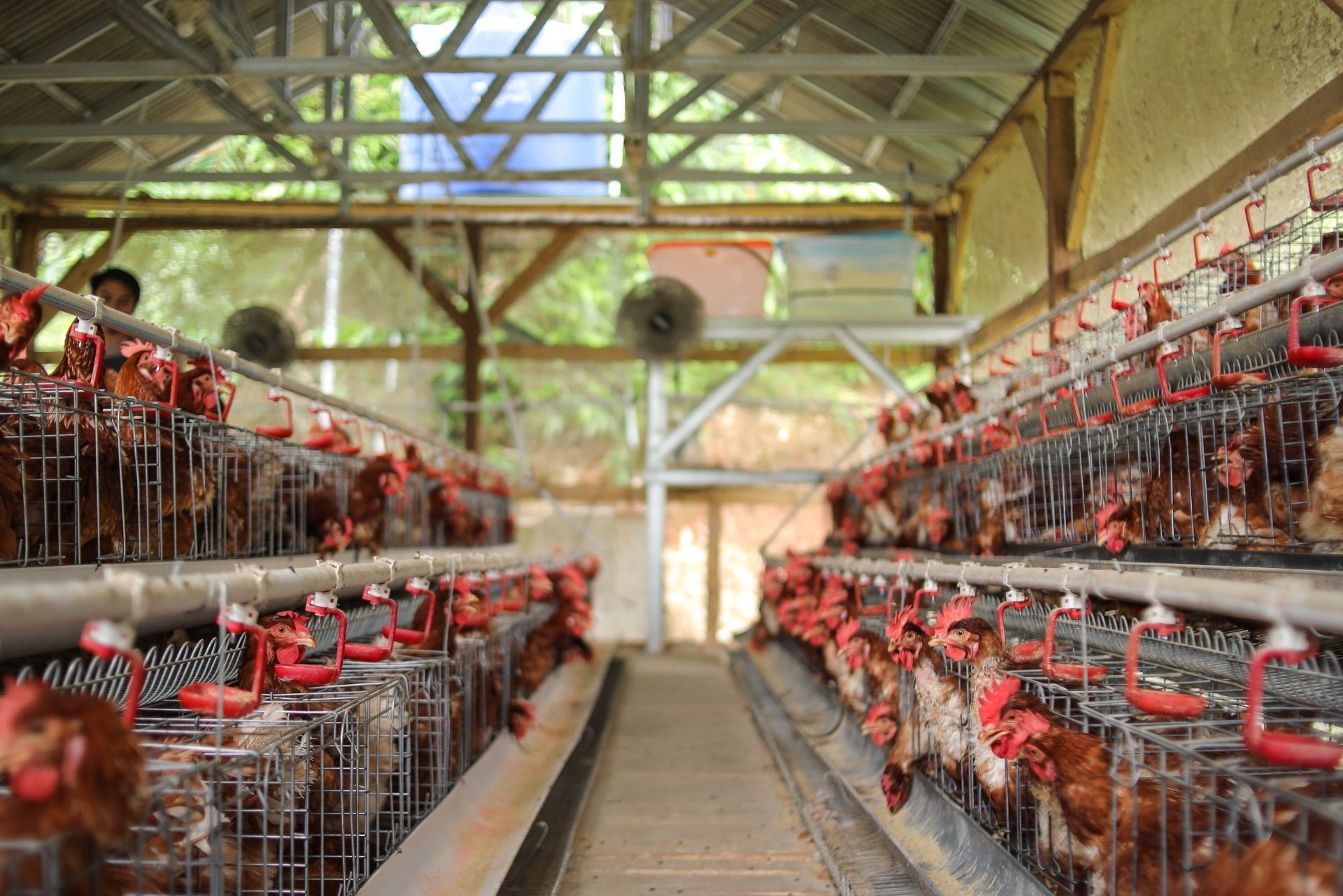
Poultry farm insurance stands as a vital safety net in an industry that fluctuates with external risks, including diseases, natural disasters, and market shifts. With over 7,100 poultry farms spread across the state and a notable concentration in areas like Lancaster County, the need for comprehensive coverage has never been more apparent. The intricate nature of a poultry operation-ranging from large commercial farms to smaller backyard flocks-requires delicate risk analysis and customized policies.
Specialized insurance plans cover property damage, business interruption, liability safeguards, and contingencies related specifically to animal health crises. With Pennsylvania recently declared free from HPAI in August 2025, many producers have resumed their normal trade activities, emphasizing a significant recovery milestone for the state’s $7.1 billion poultry industry (Pennsylvania Department of Agriculture announcement).
The insurance landscape adapts to the unique demands of poultry farming. Operators now have the leverage to choose policies that can even accommodate future outbreaks and environmental hazards. The solution does not solely rest on having a policy in place, but ensuring the policy is designed to address the complexities of today's production environment with flexibility and adequate coverage options.
Types of Coverage Offered for Poultry Operations
A robust insurance package for poultry operators consists of various coverage options that address the diverse risks the industry faces. Each type plays a critical role in ensuring agricultural producers navigate the volatility of weather events, disease outbreaks, and market fluctuations. Let’s explore the main types of coverage available.
Property and Facility Coverage
This coverage is tailored to protect the physical infrastructure that forms the backbone of poultry operations. From barns, processing facilities, and storage areas, property damage can cripple an operation's ability to function. Insurers provide compensation for repair or replacement costs if damage occurs because of fire, severe weather, or other unexpected events. Producers can expect policies that consider building structure, on-farm equipment, and even some aspects of land used for farming.
The core purpose of property coverage is to help recover lost assets quickly, thus minimizing the downtime in a season that might already be tight. Coverage limits are designed with the market value of assets in mind, and some policies offer enhanced protection options if specialized equipment is used on-site.
Livestock and Animal Health Insurance
The heart of poultry farming lies in the birds themselves. Animal health insurance encompasses coverage for livestock losses caused by disease, outbreaks, or injuries sustained during routine handling. With Pennsylvania having seen challenges such as the HPAI outbreak that led to the loss of over 7.1 million birds across multiple types of flocks (Pennsylvania Department of Agriculture report), this component of insurance is essential in cushioning the economic blow from mass losses.
While no coverage can completely negate the risk, having a robust policy in place that accounts for these occurrences can be a lifeline for operations, preventing bankruptcy or prolonged downtime after an outbreak.
Business Interruption Insurance
If an unexpected event forces a temporary shutdown, business interruption insurance ensures that the operation continues to receive income. This policy is especially useful during extreme weather events or when disease outbreaks necessitate temporary closure of production. With poultry being a time-sensitive venture, delays can translate directly into lost revenue. Business interruption coverage bridges that gap, providing critical cash flow support until normal operations can resume.
Accommodation for this variety of coverage is important as it roughly translates to emergency preparedness. Operators can maintain a degree of business continuity, protecting not only their revenue stream but also the livelihoods of employees who depend on consistent work throughout the year.
Risk Management in Poultry Farming
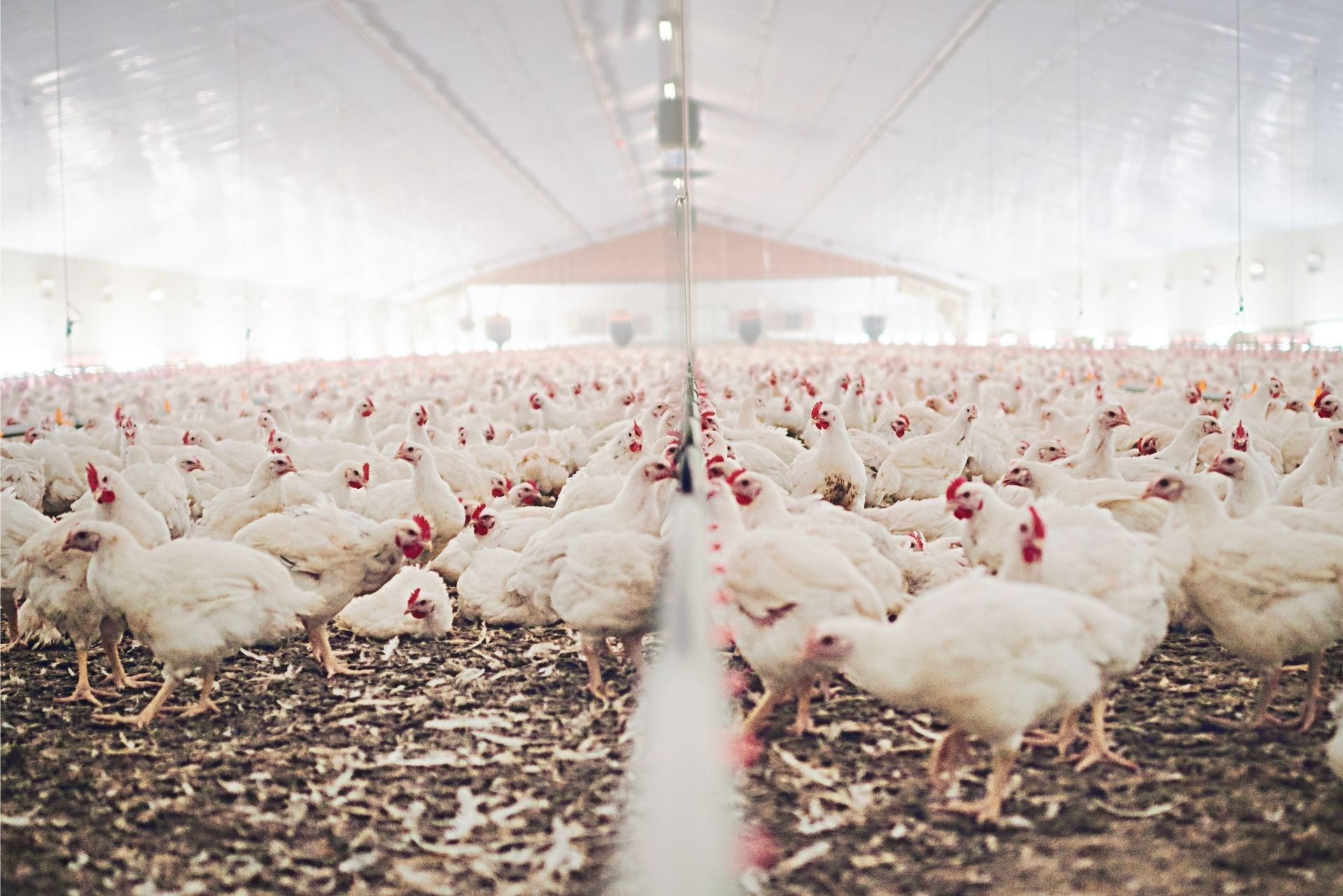
Pennsylvania’s poultry industry has evolved through multiple crises, ranging from market pressure to severe disease outbreaks. Risk management is now a top priority for producers. Given the breadth of potential hazards, effective policies and strategic planning are essential. Through adopting better monitoring practices, deploying advanced biosecurity measures, and maintaining comprehensive insurance coverages, farms are now better prepared than ever.
Recent practices include testing programs like those performed by Pennsylvania's Animal Diagnostic Laboratory System. Between July 2024 and June 2025, over 672,000 samples were analyzed, including more than 200,000 from poultry (Pennsylvania Department of Agriculture). Such robust testing not only detected HPAI at early stages but also assisted in directing policy adjustments related to biosecurity. This investment in monitoring ensures rapid responses and minimizes potential losses.
Enhancing these practices further, operators incorporate proven techniques from global best practices. This means installation of secure perimeters, maintaining controlled access to housing areas, and regular inspections. Investments in such measures directly reduce the likelihood of outbreaks and also help in keeping insurance premiums lower as the risk profile improves.
Insurance Premium Factors and Policy Considerations
Insurance premiums for poultry operations are influenced by several factors. These include the size of the operation, geographic location, infrastructure quality, and the historical claims record. Each variable helps insurance providers gauge risk and determine accurate policy premiums. In Pennsylvania, operator choices are often driven by the desire to maintain steady revenue while mitigating the high stakes of livestock losses.
For example, the concentration of about 28% of the state’s 7,100 poultry farms in Lancaster County influences regional premium rates as local factors such as weather patterns, population density, and accessibility to emergency services are taken into account (Altoona Mirror report). Understanding these factors helps producers negotiate better terms and secure policies that align closely with their business needs.
One of the key considerations in setting up a policy is ensuring that there is no policy gap. For instance, some policies might cover property but exclude certain types of animal health claims. Producers need to review their contracts carefully, engaging professionals who understand the agricultural sector to help identify any potential issues.
Adjusting Insurance as Your Operation Grows
As poultry operations expand, insurance requirements naturally change. A small backyard flock operation that eventually scales up into a large cooperative faces significant shifts in risk and asset management. Policies that once fit a small farm might prove insufficient once production ramps up to meet higher market demands. This underscores the importance of periodic policy reviews to ensure that current coverage matches operational needs.
Seasoned operators suggest regular policy audits-a practice that involves reviewing coverage details and adjusting policy limits to account for additional investments in equipment, improved facilities, or broader product lines. This proactive approach not only minimizes future risks but also ensures that a growing enterprise continues to enjoy eventual stability in revenue streams.
Considering that challenges such as natural disasters or disease outbreaks may not affect every region equally, adjusting insurance coverage based on localized risk is advisable. With increasing regulatory requirements and industry-specific hazards, working with an insurance provider who specializes in agricultural policies can safeguard poultry producers against unforeseen setbacks.
Trends Impacting the Future of Poultry Insurance
Looking ahead, several trends are likely to shape the future of poultry farm insurance in Pennsylvania. Among these, technological advancements in biosecurity and disease monitoring are paramount. Continuous developments in diagnostic labs and rapid testing procedures are expected to reduce the financial uncertainty that accompanies disease outbreaks. In fact, extensive laboratory testing in Pennsylvania, with over 200,000 poultry samples analyzed in one year, demonstrates the industry’s commitment to maintaining a safe production environment (Pennsylvania Department of Agriculture’s initiative).
Another emerging trend is the integration of data analytics in assessing risk. Insurance providers are increasingly using data from field sensors, climate maps, and production audits to set premiums more accurately. This dynamic approach allows for real-time adjustments which can lead to more competitive premiums, ultimately benefiting the operator.
The continuous adaptation to emerging risks does not only affect the insurance premiums, but also the scope of coverage. New policies are already seeing the integration of digital risk management tools that compare field-level data against historical patterns, thereby flagging potential risks before they escalate. This strategic foresight helps insurance providers and operators stay ahead of events that might otherwise cause significant disruptions.
Challenges and Mitigation Strategies in a Volatile Market
The poultry industry is not without its challenges, and global factors continue to influence market dynamics. Disease outbreaks like HPAI have historically affected operations dramatically, and even with recoveries such as Pennsylvania being declared HPAI free in August 2025 (HPAI-free announcement), the risk lingers as a recurring theme. The ability to bounce back from such setbacks is crucial. Insurance policies that incorporate rapid claim processing and transparent procedures prove to be invaluable during recovery phases.
In addition to disease risks, environmental factors such as severe weather patterns add another layer of complexity. Producers are forced to consider supplementary coverage options covering losses related to extreme weather conditions. Mitigating these challenges requires a holistic strategy that encompasses not just reactive measures, but also proactive investments in reinforcing infrastructure, updating biosecurity practices, and ensuring that insurance policies meet modern requirements.
Experience on the ground indicates that integrating risk management practices with effective insurance coverage can significantly reduce the overall financial burden. In short, recognizing and preparing for the multifaceted risks of the poultry industry is key to preserving the economic stability that operators work hard to achieve every season.
Below is a simplified table that compares several common aspects of poultry farm insurance coverage. This side-by-side comparison should help operators grasp the differences and identify priorities based on their unique operations.
| Coverage Type | Main Focus | Key Benefits |
|---|---|---|
| Property Coverage | Buildings, equipment, and physical assets | Rapid recovery from structural damage |
| Livestock Insurance | Animal health and production losses | Financial protection during disease outbreaks |
| Business Interruption | Loss of income during halts | Cash flow support during emergency closures |
| Supplemental Weather Coverage | Damage from environmental events | Protection against extreme financial losses |
This table serves as a reference point to understand the nuances between different coverages. Operators are advised to work closely with insurance specialists to tailor packages that meet the operational and regional specifics of their farms.
Proactive biosecurity measures have become a norm in Pennsylvania's poultry industry, and integrating these with sound insurance practices is now a best practice. Operators invest in rigorous disinfecting procedures, controlled entry to facilities, and regular training for staff to handle equipment and live animals correctly. These measures not only reduce the risk of disease spread but also help in obtaining more favorable insurance premiums. With evidence that strict biosecurity protocols contribute to a steady revenue stream, producers are more inclined to invest in both physical and policy-related safeguards (industry expert perspective from Clark’s Feed Mill Inc.).
Integrating biosecurity with insurance processes works on multiple levels. First, it limits the chance of an outbreak or other catastrophic event. Second, it builds a demonstrable track record that insurers appreciate. Lastly, it provides reassurance to stakeholders across the supply chain-from feed suppliers to retail outlets-that the operation is stable and well-managed. This combination of diligent practices and robust insurance is critical in a market where even a small lapse in biosecurity can have large financial repercussions.
Insurance underwriters increasingly expect detailed documentation of biosecurity practices as part of the policy-issuance process. Operators who maintain comprehensive logs, invest in technology, and regularly update their operational procedures have a stronger positioning when negotiating with providers.
Polishing Your Insurance Package: Steps to Take Today
For poultry producers seeking to enhance their insurance coverage, a few key steps can make a significant difference. The process begins with a thorough risk assessment. Operators should survey their current systems, noting areas where upgrades or additional safeguards might be necessary. Such evaluations are instrumental in ensuring the policy matches the reality on the ground with no gaps in coverage.
Engaging with specialists in agricultural insurance can provide expert advice tailored for the unique environment of Pennsylvania’s poultry industry. Working alongside these professionals, operators can decide between standalone policies or comprehensive packages that bundle property, livestock, and business interruption coverages.
Periodic policy reviews are essential. As operations expand or adopt new practices, the risks change. Timely adjustments keep insurance policies aligned with current operational risks and asset values. Many seasoned operators have found that regular consultations with insurance brokers, combined with internal audits, create a proactive climate where potential risks are anticipated and mitigated before they turn into claims.
Frequently Asked Questions
Answers to some common queries help clarify the intricacies of poultry farm insurance and support informed decision-making for producers.
What does poultry farm insurance typically cover?
Standard coverage can include protection for property damage, farm equipment, lost income due to business interruption, and even losses related to animal health challenges. Policies vary by provider and should be tailored to your operational needs.
How are insurance premiums determined for poultry farms?
Premiums are influenced by the size of the operation, property values, regional risks such as weather or disease history, and the quality of biosecurity measures. Detailed risk assessments help in setting fair and competitive premiums.
How did recent HPAI outbreaks affect insurance practices?
Outbreaks, such as those seen in March 2023, underscore the importance of comprehensive coverage. They influence escrow and premium settings as insurers factor in the increased risk and the need for rapid claim support during crises.
Should I update my insurance policy if my farm size increases?
Yes, as your operation expands, it is important to review and adjust your insurance policies to ensure that all new assets and increased production are adequately protected.
Are there specific insurance policies for biosecurity and disease control?
Some providers offer specialized endorsements that cover disease outbreaks and associated losses by incorporating advanced biosecurity practices into their risk models.
Key Considerations Before Purchasing a Policy
Before finalizing any policy, producers should ensure they understand the full scope of the coverage and any exclusions that might apply. Pay close attention to deductibles, claim processing times, and conditions around business interruption. In an industry as variable as poultry farming, this level of detail can make all the difference when a claim needs to be processed quickly.
Consultation with industry-specific insurance experts is crucial. They can help interpret policy language and suggest valuable endorsements or add-ons that protect not only against traditional risks but also emerging threats unique to your operation. This diligence ensures that your insurance package is both comprehensive and up-to-date with current industry practices.
Operators should also conduct regular risk audits of their facilities. By comparing historical data against current practices-such as the extensive testing programs already in place-they can provide insurers with a current risk profile that might result in lower premiums or more favorable coverage terms.
Final Insights for Pennsylvania Poultry Producers
Pennsylvania’s poultry industry continues to evolve at a remarkable pace. From surpassing dairy as the state’s leading agricultural sector to overcoming severe health risks like HPAI, the industry has demonstrated resilience and adaptability. Sound insurance practices are an essential part of this evolution, acting as both a safety net and a support system that enables producers to shoulder risks confidently.
Effective poultry farm insurance in Pennsylvania does more than merely protect physical assets; it supports a strategic vision for sustainable growth by balancing the inherent risks of the market. Every operator should take the time to review their insurance needs in detail, engage with specialized brokers, and stay informed of regional trends and emerging challenges. This proactive approach makes it possible to secure an insurance policy that not only shields against unexpected setbacks but also reinforces the legacy of a thriving poultry operation.
With the lessons learned from past outbreaks and the promising signs of recovery and innovation in testing and monitoring, Pennsylvania’s poultry producers are well-positioned to build a future that is both resilient and profitable. Whether your operation is modest or large scale, an effective insurance strategy is an investment in the longevity of your business and the security of your production.
Wrapping Things Up
An in-depth understanding of poultry farm insurance is critical for every operator in Pennsylvania. The complexity of the industry's risks demands coverage plans that reflect the unique challenges of modern poultry production-from biosecurity breaches to natural disasters and market fluctuations. Each policy reviewed and every risk mitigation step taken contributes significantly to the overall stability and growth of the business.
As the financial figures and recovery stories continue to shape the narrative of Pennsylvania’s agricultural sector, operators are increasingly recognized for their commitment to balancing tradition with cutting-edge risk management strategies. Given that data from the field show a steady improvement in operational practices and thorough testing programs, the message to all producers is clear: a reliable insurance policy is not just an expense-it is an investment that can significantly reduce future vulnerabilities.
At a time when changes in the market and regulatory environment keep many on their toes, securing a tailored insurance package stands as an essential part of any poultry operation’s toolkit. For those who remain proactive and engaged in their risk management practices, there is an opportunity to not only protect assets but to ensure the long-term success of their business. As Pennsylvania moves forward from past challenges, every strategic decision, including that of insurance coverage, plays a pivotal role in shaping a resilient future.
Additional Considerations for a Secure Future
While financial protection is the most visible benefit of a comprehensive insurance policy, there are other less tangible advantages that should not be underestimated. Enhanced safety protocols, thorough documentation, and regular communication with policy providers all contribute to a well-managed operation. These factors increase the confidence of lenders, investors, and even retail partners who depend on a steady supply chain.
For many poultry producers, the decision to invest time and energy in understanding insurance intricacies is outweighed by the peace of mind that comes with knowing they are prepared for emergencies. In an environment with fluctuating production markets and evolving health threats, a proactive stance on insurance is a hallmark of a successful operator. The integration of detailed risk assessments, data analysis, and specialized endorsements ensures that every part of the operation is accounted for, creating a seamless safety network.
With Pennsylvania’s poultry industry continuing to be at the forefront of agricultural innovation, remaining informed about insurance options is critical. Staying updated with industry trends and regulatory changes will enable even the smallest poultry operations to secure policies that offer robust protection and strategic value.
Future-Proofing Your Poultry Business
As the industry landscape evolves, the need for dynamic risk mitigation strategies will grow. Future-proofing your poultry business means not only addressing current exposures but also anticipating new challenges. Engaging with agricultural experts, insurance professionals, and technology providers helps ensure that your operation is well-prepared for the future.
Investments directed towards improved biosecurity, updated infrastructure, and regular policy reviews represent a comprehensive approach to risk management. Producers who adopt this mindset are better positioned to deal with sudden market shifts and unexpected crises. With strategic planning, every layer of risk is tackled in a measured way, and insurance becomes a critical ally for continued success.
This balanced approach also signals to market stakeholders that the operation is responsibly managed. Such confidence can lead to better financing conditions, higher credit ratings, and stronger long-term partnerships with suppliers and distributors.
Bringing It All Together
In the rapidly modernizing landscape of agriculture, Pennsylvania’s poultry industry stands out not only for its economic significance but also for its commitment to responsible management. Ensuring a well-structured insurance package is a decisive part of that management. The detailed exploration of various policy types-property, livestock, business interruption, and supplementary coverage-illustrates a universal truth: protection and preparation are the keys to survival and growth in a challenging market.
Each element discussed here reinforces the concept that good insurance is proactive rather than reactive. Operators who take the time to analyze their risk exposure and adjust their policies accordingly will benefit from reduced financial strain during emergencies. Even as advances in biosecurity and data analytics reshape the industry’s future, the fundamental principle remains the same-being prepared is the best defense against unexpected setbacks.
For poultry producers in Pennsylvania looking to secure their future and continuously optimize their operations, carefully reviewing and updating insurance policies is not just advisable, it is essential. With the right approach, a well-tailored insurance package will provide the stability necessary for innovation and expansion, ensuring that the legacy of poultry farming in Pennsylvania continues successfully into the future.
This comprehensive discussion on poultry farm insurance in Pennsylvania shows the multifaceted strategies that protect one of the state’s key economic drivers. By integrating best practices in risk management with forward-thinking insurance solutions, poultry producers build a defensive wall against any threat, providing safety for their assets and enabling ongoing growth and prosperity in an increasingly competitive market.
About The Author:
Terren Moore

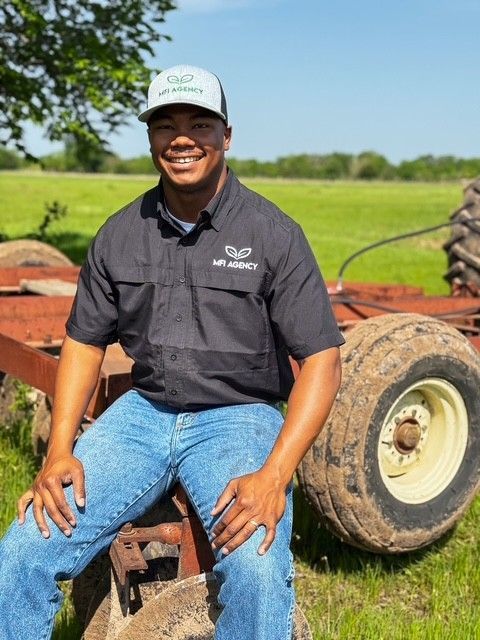
As Owner of MFI Agency, I bring firsthand experience as a farmer and business owner to helping clients protect what matters most. I focus on providing straightforward, dependable insurance solutions for farms, ranches, and commercial operations—built on trust, local values, and a deep understanding of the agricultural community.
Contact Us
Protection Built for Business Operations
Commercial Insurance Solutions
At MFI Agency, we deliver commercial insurance options designed to help businesses stay protected against common risks and unexpected challenges. Our coverages provide financial security so you can focus on growing your operation with confidence.
General Liability Insurance
Protect your business from claims of bodily injury, property damage, and personal injury.
Commercial Auto Insurance
Insure your trucks, trailers, and vehicles used for business purposes.
Commercial Umbrella Insurance
Extend your liability protection beyond the limits of your existing policies.
Excess Liability Insurance
Extra coverage to help protect your business from large, unexpected claims.
Experience and solutions tailored to your field.
Focused Protection for Specialized Industries
Every industry faces unique risks. At MFI Agency, we focus on industries that require specialized knowledge and strategic coverage. From traditional farming to agricultural innovation, we help protect the operations that feed, grow, and build our communities.
Farms
Read More
GET INSURED NOW!Protecting row crop farms, dairies, and aquaculture facilities with tailored insurance solutions.
Ranches
Read More
GET INSURED NOW!Coverage for cattle operations and livestock businesses to safeguard your livelihood.
Ag Suppliers
Read More
GET INSURED NOW!Insurance for feed mills, grain elevators, and input suppliers supporting agriculture.
Food Processors
Read More
GET INSURED NOW!Customized protection for commercial kitchens, processors, and manufacturers.
Food Distributors
Read More
GET INSURED NOW!Coverage for fleets, warehouses, and distribution networks moving products safely.
Retail/Foodservice
Read More
GET INSURED NOW!Insurance solutions for independently owned restaurants, cafes, and small food service operations.
Your Path to Better Protection
How to Get Started with MFI Agency
Getting the right insurance doesn’t have to be complicated. At MFI Agency, we follow a straightforward process to understand your needs and match you with the right coverage. Whether you’re insuring a ranch, agribusiness, or commercial operation, we’re here to guide you every step of the way.
FAQs About Our Services
Answers to Common Insurance Questions
Providing clarity on coverage and policies.
How does equipment breakdown insurance work for farms?
Equipment breakdown insurance provides coverage for unexpected mechanical or electrical failures of essential farm equipment. This includes machinery like irrigation systems, refrigeration units, and milking machines. Such coverage helps mitigate repair or replacement costs that aren't typically covered under standard property insurance.
For instance, if a power surge damages your grain dryer, equipment breakdown insurance can cover the repair expenses and any associated income loss due to downtime. This ensures that your farming operations can resume promptly without significant financial setbacks.
Can I get replacement cost coverage on tractors and farm equipment?
Yes, many insurance providers offer replacement cost coverage for tractors and farm machinery. This type of coverage reimburses you for the cost of replacing damaged equipment with new items of similar kind and quality, without deducting for depreciation.
For example, if your tractor is destroyed in a fire, replacement cost coverage would cover the expense of purchasing a new tractor of comparable specifications. It's important to note that eligibility for this coverage often depends on the age and condition of the equipment.
Do I need farm insurance if I am a hobby farmer?
Absolutely. Even if your farming activities are part-time or not your primary income source, hobby farm insurance is crucial. Standard homeowners insurance policies typically exclude coverage for farming operations, which means structures like barns or equipment like tractors may not be protected.
Hobby farm insurance provides tailored coverage for your unique needs, including protection for outbuildings, equipment, and liability risks. Whether you're selling produce at a local market or simply maintaining a small flock of chickens, this insurance ensures that your assets and activities are adequately covered.
We are licensed in Arkansas, Colorado, Iowa, Kansas, Oklahoma, Tennessee, Texas, Pennsylvania, and Utah.
Helpful Insights for Farmers and Business Owners
Latest Articles from MFI Agency
At MFI Agency, we believe informed clients make better decisions. Our blog shares practical tips on farm and business insurance, industry updates, and strategies to help protect what you’ve built. Whether you're managing crops, equipment, or employees — we’ve got helpful content to guide you.

Is Your Farm Truck Covered Off-Road? What Texas Farmers Need to Know About Commercial Auto Insurance
Address
4216 Wesley St.Greenville, TX 75401
Contact Us
info@mfi-services.com
Call Us (903) 551-7903
Agency Hours:
Monday - Friday: 8:00am - 5:00pm
Start Your Insurance Journey with Confidence
Get a Quote from MFI Agency
Protect your farm, ranch, or business today.
Contact Us
Contact Us