


Top 3 Recommended Policies

Arkansas stands as one of the most robust states in poultry production. With over 6,500 farms producing various types of poultry and Benton County leading the way, the industry drives a major segment of the state’s agricultural economy. For those involved in poultry production, understanding the risks and ways to protect assets through poultry house insurance is crucial. Practical insights into the industry, including economic statistics and advances in disease management, all influence the insurance needs of poultry operations. For instance, in 2024, poultry generated $6.7 billion in Arkansas, representing 53% of the state’s total agricultural cash receipts The Poultry Federation.
This comprehensive guide covers everything from the basics of poultry insurance policies to key industry factors that might affect your premiums. It also delves into production trends, disease impacts, technological advancements, and more, offering a roadmap for safe and profitable poultry management in Arkansas.
Exploring poultry house insurance requires a clear picture of the risks and rewards intrinsic to poultry farming. The following sections reveal how each rated segment of the industry directly influences insurance products and coverage options.
Understanding Poultry House Insurance in Arkansas
What Is Poultry House Insurance?
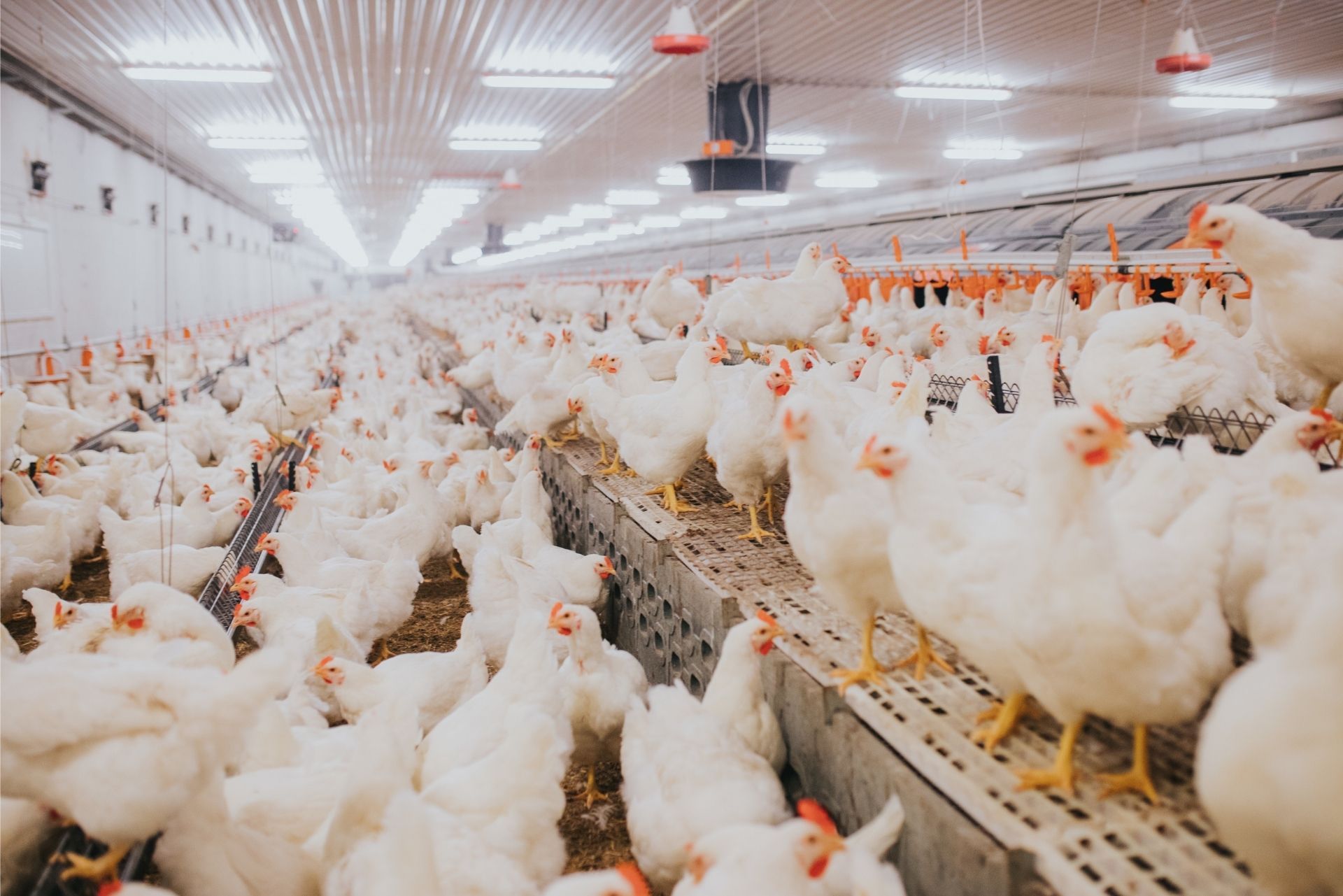
Poultry house insurance is a specialized type of coverage designed to protect the physical structures, equipment, and sometimes even the livestock within poultry houses. The policies typically cover risks including fire, natural disasters, equipment failure, and even certain disease outbreaks. Since the poultry industry forms a cornerstone of Arkansas’s economy, having robust insurance policies is essential.
The coverage is tailored to the unique needs of poultry producers, ensuring that farms can recover from unexpected events. These policies differ from standard property insurance in that they account for the specific hazards faced on a poultry farm, such as disease outbreaks that can cause enormous financial losses.
Significant measures in disease control, like the absence of commercial poultry HPAI detections in Arkansas in 2024 Farms.com, have influenced the way insurance providers assess risk in this sector.
Policy Components and Coverage Options
The framework of poultry house insurance policies encompasses several key components. These often include property coverage, liability protection, business interruption coverage, and equipment breakdown endorsements. Each element is carefully designed to cover the multifaceted risks within the modern poultry industry.
Property coverage is essential as it encompasses all the physical structures, including barns, incubation units, and storage facilities. Liability protection covers legal liabilities arising from accidents that occur on the farm premises, whereas business interruption coverage ensures that operations continue even after a covered loss.
Equipment breakdown policies cover the repair or replacement costs of essential systems such as ventilation, heating, and cooling mechanisms. With the evolving nature of poultry farming, particularly considering challenges like disease outbreaks, comprehensive coverage is more available and necessary than ever.
Economic Impact and Production Trends in Arkansas
Financial Scale of the Arkansas Poultry Industry
Arkansas stands as a powerhouse in poultry production. Recent figures reveal that the state’s poultry industry produced $6.7 billion in revenue in 2024, making it a dominant part of the state's agricultural revenue chain The Poultry Federation. This staggering amount represents over half of the total agricultural cash receipts in the state, highlighting the sheer scale and importance of poultry farming.
This economic strength translates into a significant portfolio for insurers who are required to design policies that address both the operational and capital risks of large-scale poultry farms. The production numbers also underline why poultry farm insurance policies often integrate unique risk factors not seen in other industries.
Additionally, since Arkansas ranks third in the nation for broiler production, producing 7.44 billion pounds of broiler meat valued at $5.31 billion in 2023 The Poultry Federation, insurance underwriters must consider vast operational scales when crafting coverage agreements. The interplay between production volume and risk creates a dynamic landscape that demands specialized insurance solutions.
Production Demographics and Disease Management
Despite challenges such as avian influenza impacting global poultry sectors, Arkansas's strategic production demographics have helped it avoid severe outbreaks. Notably, Arkansas recorded no commercial detections of high pathogenic avian influenza (HPAI) in 2024 Farms.com. This performance has not only preserved the farms' operational integrity but has also had a beneficial effect on insurance risk models.
The industry’s resilience is further confirmed by insights from experts such as Wes Ward, the Arkansas Agriculture Secretary, who noted that the state had weathered the avian influenza storm better than most Talk Business. This optimism enhances the perception of reduced risk, allowing insurers to offer more competitive premiums.
The careful control and monitoring of diseases have also led to improvements in biosecurity protocols, which in turn influence the kind of coverage poultry operations require. With insurance policies adapting in response, poultry house insurance today encapsulates both traditional risks and emerging challenges in livestock management.
Key Factors Affecting Insurance Decisions for Poultry Farms
Risk Assessment and Premium Calculation
Risk assessment is the heart of designing an insurance policy for poultry farms. Insurers evaluate multiple aspects, such as geographic location, farm size, building construction quality, and adherence to biosecurity practices. These factors determine the likelihood of potential losses, which directly impacts premium calculations.
For instance, farms in areas prone to natural disasters or those not using up-to-date safety measures might attract higher premiums. Conversely, poultry houses that invest in advanced technology and maintenance practices may enjoy lower premiums. This careful balancing act is at the core of insurance underwriting in Arkansas.
Modern advancements, like the Poultry Science Smart Farming Research Facility at the University of Arkansas, have contributed to enhancements in precision poultry production techniques University of Arkansas Agricultural Experiment Station. These advancements not only reduce operational risks but also enable the collection of more accurate data for risk assessments, ensuring that coverage and premiums more closely align with each farm's actual conditions.
The Influence of Market Leaders
Tyson Foods holds a significant share of the processed poultry market in Arkansas, accounting for approximately two-thirds of the state’s sales The Guardian. This dominance plays into risk management because large players often set industry standards that trickle down to smaller operators.
As market leaders, companies like Tyson Foods typically have more extensive resources to invest in biosecurity, safety innovation, and comprehensive risk management. Smaller operations can benefit from adopting similar protocols, but they may not have equivalent capabilities for risk mitigation. As a result, these smaller farms can experience higher premiums due to perceived vulnerabilities.
The industry concentration also means that any significant upheaval in the market dynamics, such as fluctuations in processing volumes or changes in consumer behavior, could have ripple effects. Insurance providers, therefore, keep a close eye on market trends to adjust policies, ensuring that coverage remains relevant and protective regardless of the market's volatility.
Technology, Innovation, and Smart Farming
Emerging Technologies in Poultry Production
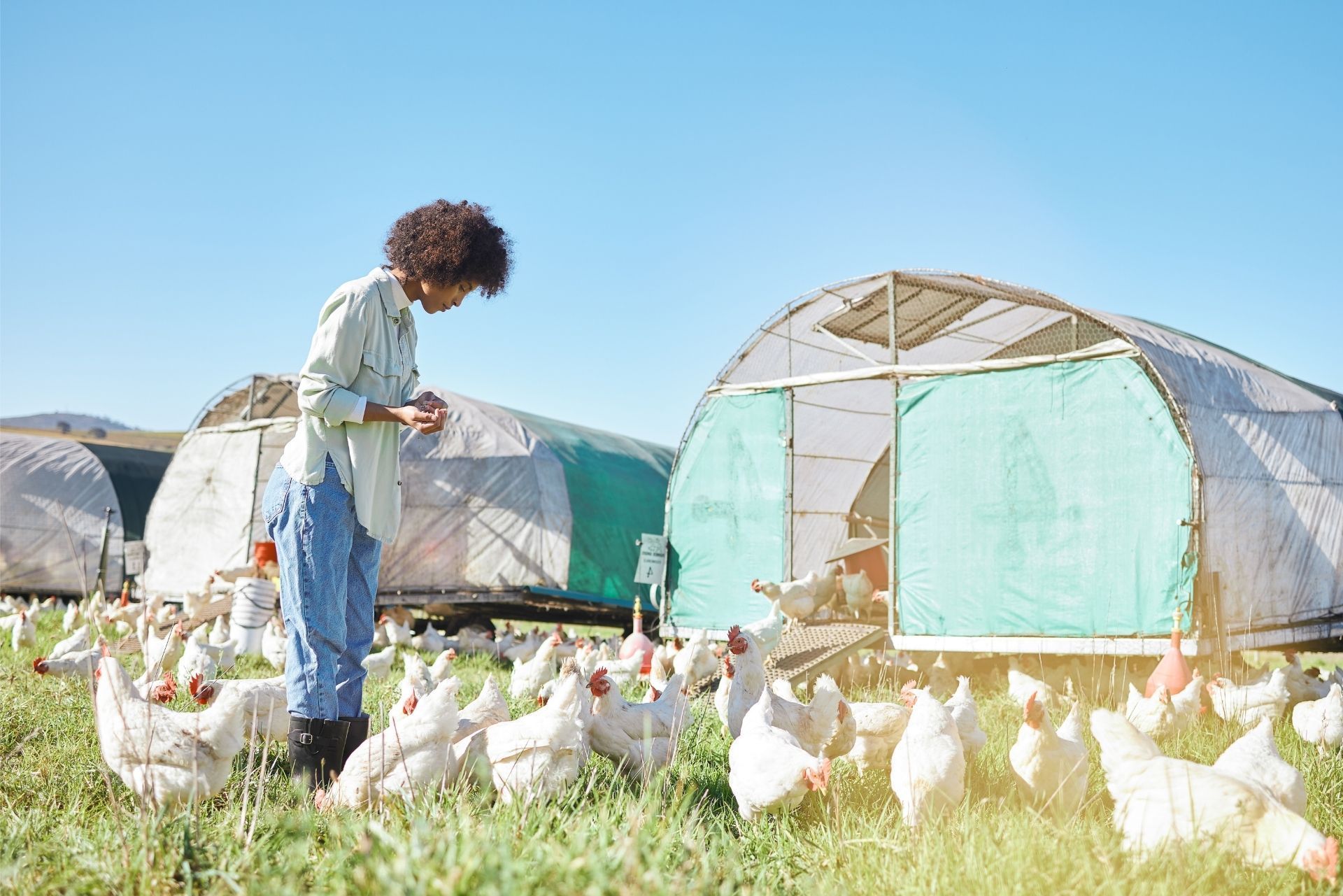
Technological advancements are reshaping the poultry production landscape in Arkansas. The recent opening of the Poultry Science Smart Farming Research Facility in May 2023 represents a step forward in the embodiment of innovation in this field University of Arkansas Agricultural Experiment Station. The facility is designed to explore and implement precision farming techniques, offering insights that reduce risk and increase operational efficiency.
Smart sensors, automated data collection systems, and advanced networked monitoring are now common features in well-managed poultry farms. These technologies enable real-time tracking of environmental parameters, equipment performance, and animal health. They not only improve productivity but also aid in early detection of anomalies that might lead to costly mistakes or disease outbreaks.
The data gathered through these systems have a direct impact on insurance underwriting. With more accurate information on production conditions and operational performance, insurers can create policies that reflect the actual risk more precisely. This alignment leads to potentially reduced premiums and better-tailored coverage options.
Benefits of Precision Farming on Insurance Costs
Precision farming techniques reduce the gaps between projected and actual farm performance. The detailed insights allow poultry operations to adopt proactive measures that lower the risk of unexpected losses. Investing in automated monitoring systems and analytics can therefore lead to significant long-term savings on insurance costs. By documenting improvements in production management, farmers often negotiate more favorable terms with their insurance providers.
The trend towards smart farming is not only an investment in technology but also an investment in reduced insurance risk. With comprehensive data that validates operational soundness, poultry farms can present a more favorable risk profile. This strategic move benefits both the farmers and the underwriters, making the industry more resilient overall.
Additionally, the incorporation of these modern tools provides a competitive edge in a demanding market. As more producers adopt technology-driven practices, the collective industry's risk levels improve, which could eventually stabilize or even reduce premiums when compared to traditional farming methods.
Challenges Facing the Poultry Industry and Their Insurance Implications
Impact of Disease and Biosecurity Concerns
Even with improved biosecurity protocols, poultry farms must remain vigilant against potential disease outbreaks. While Arkansas has demonstrated resilience in areas like the prevention of HPAI detections in 2024, concerns surrounding diseases continue to influence risk evaluations. Experts like Wes Ward emphasize the impact of avian influenza on the industry, noting that the state has fared better than others yet the threat remains real Talk Business.
This vigilance means that insurance policies often include specific clauses related to disease management. Some policies might offer riders for enhanced biosecurity measures or provide coverage in the event of a disease outbreak that forces temporary operation shutdowns.
Because poultry farms represent a considerable portion of Arkansas’s agricultural output, ensuring continuity of operations in the face of potential biosecurity breaches is critical. Insurance companies factor these risks into the calculation of premiums, making the case for stringent biosecurity investment an essential part of insurance discussions.
Other Notable Risks and Their Management
Aside from disease, poultry farm operators face risks such as equipment malfunctions, natural disasters, and potential market volatility. For example, adverse weather conditions can damage housing structures or disrupt supply chains, which in turn could have cascading effects on operations and revenue streams. Insurance coverage is crafted with these variables in mind to offer robust protection and mitigate losses.
Recent studies on risk management in related agricultural sectors, like swine farming, illustrate the consequences of control zone restrictions on unplaced livestock arXiv. While the numbers differ vastly between swine and poultry operations, the essential lesson remains consistent: strategic risk management can preempt potentially devastating financial setbacks.
By developing a comprehensive risk profile, poultry farms can take proactive measures such as disaster preparedness planning and ongoing equipment maintenance, ultimately leading to a smoother claims process when incidents occur.
How to Choose the Right Poultry House Insurance Policy
Evaluating Your Farm’s Unique Needs
Every poultry operation is different. When evaluating insurance policies, the first step is to identify the specific risks that may impact the farm. Smaller farms with limited production may require only essential property coverage, while large-scale operations might need full spectrum policies that cover every aspect of their operations.
Factors such as the age and condition of buildings, equipment quality, and historical claims all play a role in determining the right level of coverage. Operators should compile detailed records of their assets and operational protocols, as these documents can help insurers accurately assess potential risks.
An informed discussion with insurance agents, backed by industry data like Arkansas’s significant production metrics (The Poultry Federation), ensures that the policy aligns with both the current and future needs of the farm.
Key Policy Elements to Review
When shopping for poultry house insurance, certain policy elements demand particular attention. It is essential to review the extent of property and equipment coverage, especially considering the scale of aerospace operation infrastructure used in modern poultry farming. Operators should also review business interruption coverage, looking into the duration and limits of income replacement benefits.
Liability coverage is another critical element. This covers incidents on farm premises that could lead to lawsuits or third-party claims, safeguarding both personal and business assets from significant financial loss. Keeping these factors in mind allows producers to choose a policy that not only meets regulatory needs but also provides peace of mind under uncertain circumstances.
Comparing several policy options side by side can help reveal crucial differences in coverage. A comparative table is an excellent way to organize these details, providing a clear overview of the benefits, limitations, premiums, and deductibles of each policy.
Comparison Table: Essential Versus Comprehensive Coverage
| Coverage Element | Essential Policy | Comprehensive Policy |
|---|---|---|
| Property Coverage | Basic structure and equipment | Covers structures, equipment, and upgrades |
| Liability | Covers onsite and third-Limited third-party coverage claims | Extensive liability covering accidents |
| Business Interruption Interruption | Short-term; limited income support | Extended coverage to sustain operations |
| Coverage for Disease Outbreaks | Often excluded or minimal eplacements | Optional rider available for biosecurity events |
| Equipment Breakdown | Standard machinery protection | Includes automated and precision farming equipment |
This table illustrates the clear differences between essential and comprehensive poultry house insurance policies. Operators can use this chart during consultations with insurance professionals to ensure no critical coverage is overlooked.
By closely analyzing these elements, it becomes easier to tailor a policy that truly reflects the farm’s unique operational risks.
Future Trends and Emerging Considerations
Evolving Regulatory and Market Challenges
Regulatory changes are an ever-present factor in the agricultural sector. As policies evolve to respond to new risks-including climate change, disease outbreaks, and stricter biosecurity protocols-insurance policies must adapt swiftly. Regular reviews of coverage agreements ensure that poultry operations remain compliant and adequately protected.
For instance, studies modeling outbreak scenarios, like the simulation of African swine fever impacts on pig placement, offer valuable insights into how large-scale disruptions can occur. Though these studies
focus on another livestock sector, the lessons have implications for poultry by emphasizing the need to remain agile in risk management arXiv.
Insurance providers are increasingly considering future trends in their risk assessment protocols. Market shifts, technological disruptions, and evolving regulatory standards all contribute to a climate where continuous monitoring and policy updates are key to maintaining optimal protection.
Investing in Resilience and Sustainability
Sustainable practices and investments in resilience not only enhance overall farm productivity but also favorably influence insurance premiums. As poultry farms adopt environmentally friendly technologies and energy-efficient systems, they are often seen as reduced risks by insurance underwriters. This shift is reflected in premium adjustments that reward sustainable practices.
Investments in modernization, such as implementing advanced smart farming practices and improved biosecurity measures, build a resilient operation capable of weathering unexpected events. This is attractive to insurers who assess the overall risk based on both historical performance and future adaptability.
The focus on sustainability also aligns with broader consumer trends favoring responsibly produced food. In a market where producer reputation is key, maintaining high standards in animal welfare, environmental care, and operational efficiency supports both the business's long-term success and its risk profile, ultimately impacting insurance considerations.
Frequently Asked Questions
Q: What exactly does poultry house insurance cover?
A: Poultry house insurance typically covers the physical structure, equipment, and sometimes the animals in the farm. It also includes liability, business interruption, and may have add-ons for disease outbreaks.
Q: Are there any specific disease outbreak clauses included in these policies?
A: Yes, many policies now include specific clauses or riders addressing disease outbreaks, reflecting improved biosecurity measures often observed in Arkansas farms Farms.com.
Q: How do technological advancements impact insurance premiums?
A: Investments in smart farming and precision agriculture can help lower premiums. The accurate data collected enables insurers to better assess risks and offer competitive coverage University of Arkansas Agricultural Experiment Station.
Q: How often should poultry farms review their insurance policies?
A: It is advisable to review insurance policies annually or whenever significant changes occur in production or operational practices to ensure adequate coverage.
Q: Can smaller poultry farms get the same coverage as large-scale operations?
A: Smaller farms may have access to essential coverage tailored to their scale, though comprehensive policies are typically designed for larger operations. Each policy is customized based on risk assessments.
Q: What role does biosecurity play in determining premiums?
A: Strong biosecurity protocols can lower risk assessments, leading to lower premiums as insurers view these farms as less vulnerable to disease-related losses.
Wrapping Things Up
Poultry house insurance in Arkansas is a dynamic field influenced by robust production figures, evolving technology, and strict operational safeguards. With the state ranking third in broiler production, generating billions in revenue, and facing evolving risks, the need for comprehensive and adaptive insurance policies is clear. Producers must evaluate risks through detailed assessments of property, equipment, biosecurity practices, and market conditions to ensure their coverage reflects the true nature of their operations.
The transformation driven by technological innovations like smart farming facilities underscores how the industry’s risk landscape is shifting towards more data-driven, precise management-and insurers are following suit. With major companies and market leaders setting standards and ongoing emphasis on sustainable and resilient practices, Arkansas poultry operations continue to lead the way in both production and innovation.
By carefully tailoring insurance policies to meet unique operational risks, poultry farmers can safeguard their investments, secure future growth, and remain prepared for challenges. Whether seasoned operators or new entrants, understanding the essentials of poultry house insurance in Arkansas is a critical component of long-term business success.
About The Author:
Terren Moore

As Owner of MFI Agency, I bring firsthand experience as a farmer and business owner to helping clients protect what matters most. I focus on providing straightforward, dependable insurance solutions for farms, ranches, and commercial operations—built on trust, local values, and a deep understanding of the agricultural community.
Contact Us
Protection Built for Business Operations
Commercial Insurance Solutions
At MFI Agency, we deliver commercial insurance options designed to help businesses stay protected against common risks and unexpected challenges. Our coverages provide financial security so you can focus on growing your operation with confidence.
General Liability Insurance
Protect your business from claims of bodily injury, property damage, and personal injury.
Commercial Auto Insurance
Insure your trucks, trailers, and vehicles used for business purposes.
Commercial Umbrella Insurance
Extend your liability protection beyond the limits of your existing policies.
Excess Liability Insurance
Extra coverage to help protect your business from large, unexpected claims.
Experience and solutions tailored to your field.
Focused Protection for Specialized Industries
Every industry faces unique risks. At MFI Agency, we focus on industries that require specialized knowledge and strategic coverage. From traditional farming to agricultural innovation, we help protect the operations that feed, grow, and build our communities.
Farms
Read More
GET INSURED NOW!Protecting row crop farms, dairies, and aquaculture facilities with tailored insurance solutions.
Ranches
Read More
GET INSURED NOW!Coverage for cattle operations and livestock businesses to safeguard your livelihood.
Ag Suppliers
Read More
GET INSURED NOW!Insurance for feed mills, grain elevators, and input suppliers supporting agriculture.
Food Processors
Read More
GET INSURED NOW!Customized protection for commercial kitchens, processors, and manufacturers.
Food Distributors
Read More
GET INSURED NOW!Coverage for fleets, warehouses, and distribution networks moving products safely.
Retail/Foodservice
Read More
GET INSURED NOW!Insurance solutions for independently owned restaurants, cafes, and small food service operations.
Your Path to Better Protection
How to Get Started with MFI Agency
Getting the right insurance doesn’t have to be complicated. At MFI Agency, we follow a straightforward process to understand your needs and match you with the right coverage. Whether you’re insuring a ranch, agribusiness, or commercial operation, we’re here to guide you every step of the way.
FAQs About Our Services
Answers to Common Insurance Questions
Providing clarity on coverage and policies.
How does equipment breakdown insurance work for farms?
Equipment breakdown insurance provides coverage for unexpected mechanical or electrical failures of essential farm equipment. This includes machinery like irrigation systems, refrigeration units, and milking machines. Such coverage helps mitigate repair or replacement costs that aren't typically covered under standard property insurance.
For instance, if a power surge damages your grain dryer, equipment breakdown insurance can cover the repair expenses and any associated income loss due to downtime. This ensures that your farming operations can resume promptly without significant financial setbacks.
Can I get replacement cost coverage on tractors and farm equipment?
Yes, many insurance providers offer replacement cost coverage for tractors and farm machinery. This type of coverage reimburses you for the cost of replacing damaged equipment with new items of similar kind and quality, without deducting for depreciation.
For example, if your tractor is destroyed in a fire, replacement cost coverage would cover the expense of purchasing a new tractor of comparable specifications. It's important to note that eligibility for this coverage often depends on the age and condition of the equipment.
Do I need farm insurance if I am a hobby farmer?
Absolutely. Even if your farming activities are part-time or not your primary income source, hobby farm insurance is crucial. Standard homeowners insurance policies typically exclude coverage for farming operations, which means structures like barns or equipment like tractors may not be protected.
Hobby farm insurance provides tailored coverage for your unique needs, including protection for outbuildings, equipment, and liability risks. Whether you're selling produce at a local market or simply maintaining a small flock of chickens, this insurance ensures that your assets and activities are adequately covered.
We are licensed in Arkansas, Colorado, Iowa, Kansas, Oklahoma, Tennessee, Texas, Pennsylvania, and Utah.
Helpful Insights for Farmers and Business Owners
Latest Articles from MFI Agency
At MFI Agency, we believe informed clients make better decisions. Our blog shares practical tips on farm and business insurance, industry updates, and strategies to help protect what you’ve built. Whether you're managing crops, equipment, or employees — we’ve got helpful content to guide you.
Is Your Farm Truck Covered Off-Road? What Texas Farmers Need to Know About Commercial Auto Insurance
Address
4216 Wesley St.Greenville, TX 75401
Contact Us
info@mfi-services.com
Call Us (903) 551-7903
Agency Hours:
Monday - Friday: 8:00am - 5:00pm
Start Your Insurance Journey with Confidence
Get a Quote from MFI Agency
Protect your farm, ranch, or business today.
Contact Us
Contact Us