


Top 3 Recommended Policies

The poultry industry in Louisiana faces unique challenges that require a deep understanding of insurance coverage, building techniques, and risk management strategies. Whether constructing a new poultry facility or maintaining an existing one, the complexity of insurance policies blends with the physical demands of poultry production. This guide offers clarity on how to secure the right coverage and manage risks proactively. Insights from industry experts and relevant statistics provide context needed to navigate a competitive market with evolving demands. For example, recent developments in Louisiana’s insurance market may affect your premiums, and expert advice on resilient construction practices can save significant repair costs over time. Learn more about related challenges by reviewing homeowners facing insurance challenges in the state.
Understanding Poultry House Insurance in Louisiana
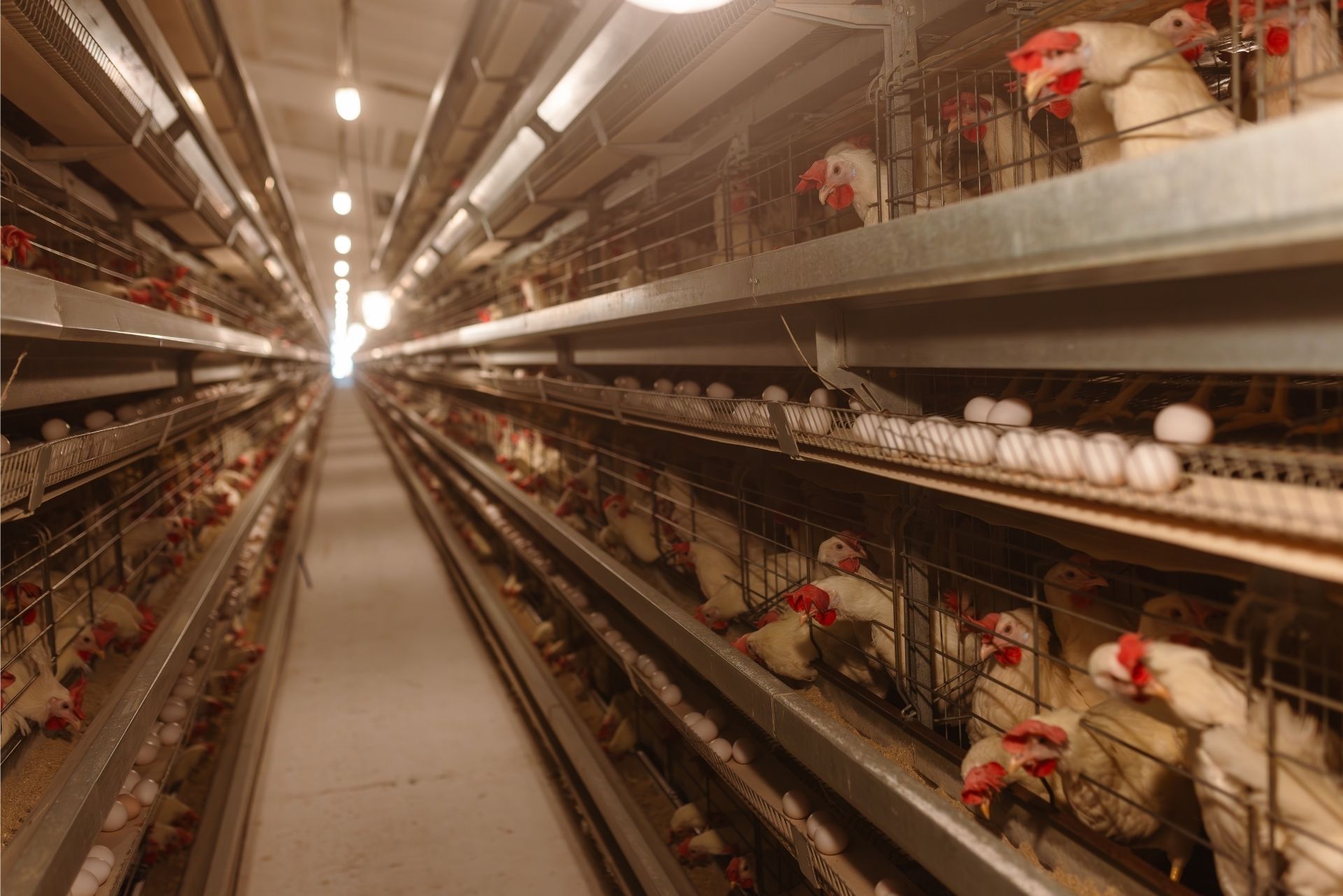
Insurance for poultry houses in Louisiana is not merely about meeting regulatory requirements. It is about protecting an investment in infrastructure that supports essential agricultural operations. Unlike residential structures, poultry houses have unique vulnerabilities from both environmental and operational hazards.
Coverage typically includes protection against fire, wind damage, structural collapse, and specific losses related to animal production. The risks extend beyond physical damage. Financial losses due to interrupted operations or increased expenses during repairs can impact business continuity.
As the market evolves, the insurance industry sees increased profits reflective of the higher premiums in certain sectors. For instance, in 2024, property and casualty insurers in Louisiana reported a significant surge in profits, pointing to shifting market dynamics that affect coverage costs and availability. Read more on this topic at
Louisiana homeowners facing premium challenges.
Key Considerations in Choosing Poultry House Insurance
The decision to invest in poultry house insurance should be preceded by a thorough risk analysis and an understanding of what each policy covers. One of the most important aspects to look into is whether the policy addresses structural risks unique to poultry facilities. Adequate protections for both the building and the equipment inside can make a substantial difference.
Inspecting policy limits, deductibles, and exclusions is essential. Many policies offer standard coverage, but individual needs may require extra riders or specialized clauses. Specialized poultry insurance often includes provisions linked to biosecurity risks and environmental hazards, making it more tailored than general property policies.
Insurance experts advise working with a broker who understands the intricacies of agricultural operations. This ensures that potential issues such as inadequate grounding or insufficient lightning protection-a well-known risk in poultry houses-are fully considered in the coverages selected. An informative piece by a leading industry group can be found at
MS Poultry, emphasizing the importance of proper construction techniques to minimize unnecessary claims.
Building Resilient Poultry Facilities
Resilient construction is a cornerstone in reducing long-term risks and insurance costs for poultry houses. Experts like Carol Friedland from LSU AgCenter’s LaHouse emphasize the importance of building beyond minimum standards to avoid a cycle of disaster and repair. Implementing design enhancements and structural reinforcements translates to fewer claim events and potentially lower premiums.
Adopting proactive construction methods includes using impact-resistant materials, proper insulation, and state-of-the-art ventilation systems. These features not only create a more stable environment for poultry production but also help mitigate losses during extreme events like hurricanes and severe storms.
For additional insights from construction experts, detailed discussions on sustainable building practices are available at
LSU AgCenter’s LaHouse initiatives. The integration of resilient construction concepts reduces repeat repairs and long-term operational disruptions-an essential consideration when insuring a facility.
Evaluating Risks Specific to Poultry Operations
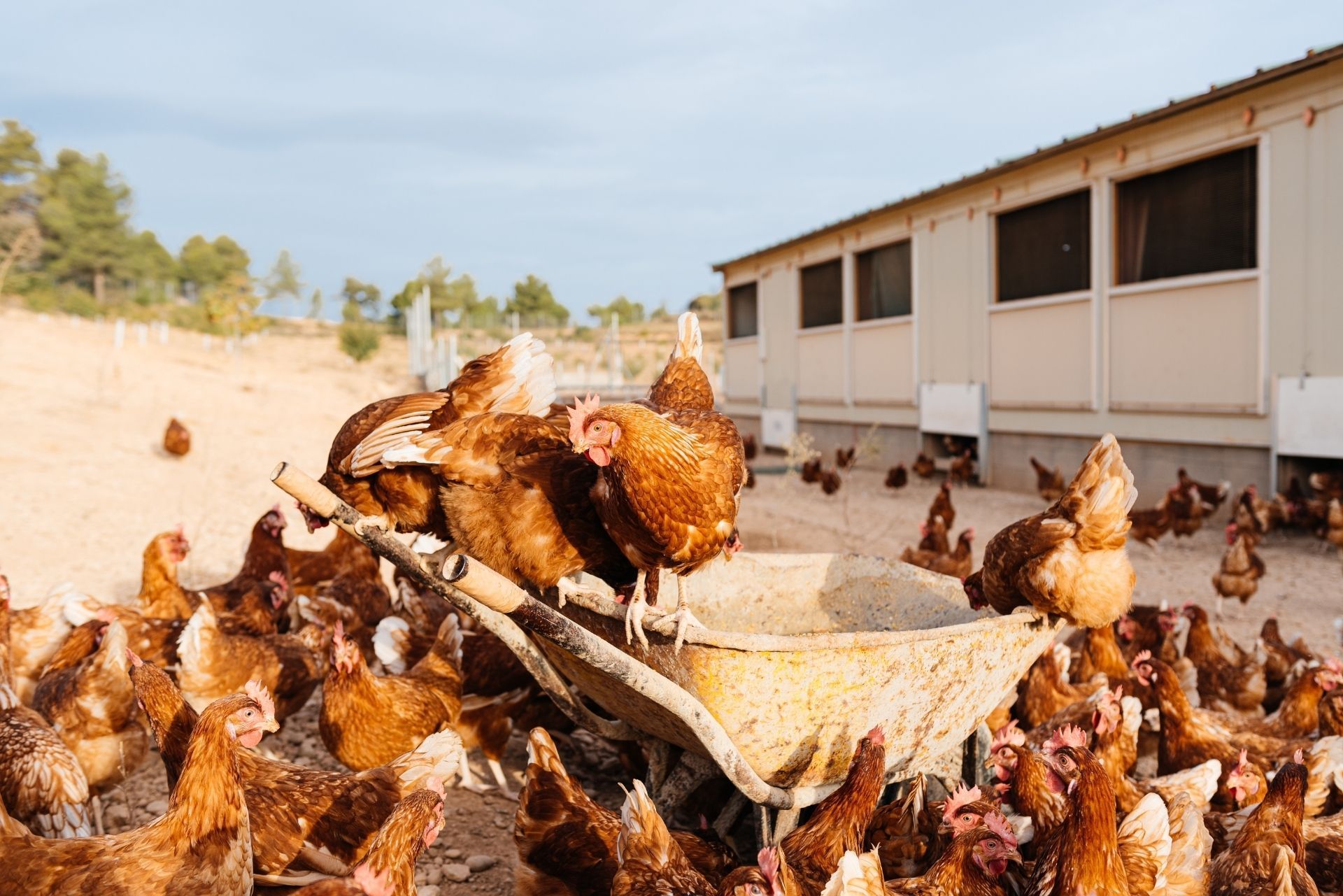
Risk evaluation for poultry contract growers extends far beyond the structure itself. A comprehensive assessment considers environmental risks, operational hazards, and market uncertainties. Evaluating proximity to processing facilities, accessibility to critical utilities, and local weather patterns can help identify areas of high and low risk.
Studies such as the one by UAEX provide a framework to assess risk factors that can influence coverage terms and premium rates. The integration of risk analysis into insurance planning ensures that poultry operations are not exposed to preventable hazards, ultimately reducing the frequency and severity of claims.
This proactive risk management approach can lead to tailored insurance policies that better reflect the actual exposure of a poultry facility. Detailed risk analyses like these have been documented by industry experts and can be explored further at
Arkansas poultry risk analysis.
Poultry House Construction and Its Impact on Insurance Claims
Structural maintenance is a critical element that underpins both operational efficiency and insurance risk management. Simple oversights like inadequate lightning protection or poor grounding can lead to severe damages, generating claims that raise insurance premiums over time. Insurers recognize proactive mitigation as favorable, often reflecting this effort in premium reductions.
Pragmatic measures include regular inspection of electrical systems, reinforcement of roofing, and the proper installation of grounding equipment. These measures are not just about compliance; they also contribute to significant long-term savings and safety improvements. An insightful article on the importance of proper poultry house construction can be found at MS Poultry’s online issue.
In addition to physical protections, modern technologies such as automated monitoring systems allow poultry farmers to detect issues early before they escalate into costly repairs or total system failures.
Economic Impact and Market Trends in Louisiana Insurance
Louisiana displays unique trends in the insurance industry that have direct implications for agricultural operations. While property and casualty insurers noted a substantial profit increase in 2024, this success has a flip side: higher premiums for policyholders. The state's high auto and homeowners insurance premiums underscore a challenging market environment where every risk is priced accordingly.
For poultry farmers, these trends mean that cost-effective insurance solutions can be hard to come by, often requiring specialized policies. On the flip side, heightened market profitability could indicate improved services and more risk-tailored products in coming years.
An analysis of the economic contributions within Louisiana shows that industries like pest management boosted local output and supported thousands of jobs. Such findings highlight the importance of niche insurance products that cater to the unique needs of specialized sectors. More detailed economic data is available at
LSU AgCenter’s economic studies.
Insurance Cost Breakdown for Poultry Houses
Understanding the financial aspects of poultry house insurance is crucial for budgeting and operational planning. Premiums can vary significantly based on location, building integrity, and a farmer’s claims history. With Louisiana known for some of the highest homeowners and auto insurance premiums, poultry farmers should prepare for costs that reflect these market conditions.
Insurance cost breakdowns typically consider the value of physical assets, the potential loss of income during disruptions, and additional risks such as weather-related events. Staying informed about the cost drivers in your policy can help reduce unexpected financial strains and guide your decision-making process regarding additional coverage options.
For a detailed discussion on premium trends, read reports highlighting high policy costs in the state at
Real Reform LA.
An effective strategy for ensuring robust protection is to compare several coverage options side by side. Insurance products for poultry houses often vary in terms of limits, deductibles, exclusions, and additional riders. Farmers should weigh their options and consider both standard and specialized policies.
A simplified comparison table helps clarify some of these distinctions. The table below outlines basic differences between standard property insurance and specialized poultry house policies that cater to the unique risks of poultry operations.
| Coverage Aspect | Standard Property Insurance | Poultry House Specific Policy |
|---|---|---|
| Structure Protection | Covers basic physical damage | Includes reinforced building elements and farm-specific modifications |
| Equipment Coverage | Limited, may require add-ons | Customized to safeguard poultry equipment and production losses |
| Biosecurity Risks | Often excluded | May include special protections for disease outbreaks |
| Lightning and Electrical Protection | Standard electrical coverage | Explicit provisions for grounding and lightning protection |
| Premium Variability | Based on property value, location, and claims history | Reflects specific risk analyses unique to poultry operations |
This comparison clarifies the potential advantages of choosing a poultry house specific policy. Tailored coverage may come at a premium, but it offers benefits that properly account for the operational and environmental risks associated with a poultry house.
Strategies to Lower Insurance Costs
Though premiums may be high, there are ways to manage and potentially lower the cost of poultry house insurance. Proactive measures such as investing in resilient construction materials and regular maintenance can reduce the likelihood of claim events. By presenting a lower risk profile, poultry farmers may secure better policy terms.
Engaging in risk mitigation can include upgrades such as energy-efficient lighting, improved ventilation systems, and robust safety protocols that decrease the chance of accidents. Additionally, maintaining thorough documentation and a proactive claims history will play a significant role during policy renewals and rate negotiations.
Insurance professionals often recommend periodic policy reviews to determine if adjustments are needed. For instance, aligning your facility upgrades with insurance requirements might provide additional discounts over time.
The Role of Expert Guidance in Navigating Insurance Options
Determining the best insurance strategy involves consulting professionals who specialize in agricultural and poultry insurance. These experts provide valuable insights that go beyond what a standard policy broker might offer. Their recommendations are backed up by hands-on experience within the industry and a deep understanding of local market conditions.
Expert guidance is particularly vital when considering additional policy riders that address risks unique to poultry houses. Guidance from trusted sources like LSU AgCenter and industry specialists can help you avoid common pitfalls, ensuring that your coverage fully addresses your individual needs.
Industry leaders like the experts at
HTF Market Intelligence have observed significant market growth in the poultry insurance segment. Consulting with these professionals provides an edge when adapting policies to shifting market trends.
Adapting to Market Changes and Evolving Risks
The insurance market in Louisiana continues to shift in response to both environmental challenges and evolving economic factors. With recent reports indicating a drastic rise in insurer profits, poultry farmers may soon see further changes in premium structures. This shifting landscape demands that operational decisions remain agile and informed by current trends.
Staying abreast of market developments is particularly important for those in agricultural sectors. For example, a growing number of providers are now offering customized products designed for the specific risks associated with animal production. Such trends indicate that insurers are increasingly tailoring solutions to niche markets, balancing increased risk and profitability.
Proactive risk management and continuous engagement with insurance experts can help poultry producers adjust their policies as market conditions evolve. This dual approach minimizes potential damage from unexpected market shifts.
Frequently Asked Questions
What does poultry house insurance typically cover?
Poultry house insurance commonly covers structural damages, equipment losses, and additional risks like lightning strikes and biosecurity hazards. The coverage is designed to protect both the facility and the production process.
How can resilient construction reduce insurance claims?
Investing in resilient construction methods minimizes the risk of structural failures and other hazards, which in turn leads to fewer claims. Enhanced construction techniques demonstrate a proactive approach that insurers may reward with lower premiums.
Are there insurance policies tailored specifically for poultry houses?
Yes, several policies are designed with the unique risks of poultry operations in mind. These specialized policies often address unique operational risks and include tailored biosecurity and equipment coverages.
What steps can be taken to lower poultry house insurance premiums?
Regular maintenance upgrades, enhanced safety protocols, and a good claims history can all contribute to lower premiums. Additionally, periodic consultations with insurance experts help ensure the policies remain aligned with current risks.
How do microenvironment challenges affect poultry house insurance costs?
Environmental factors such as exposure to severe weather, humidity, and lightning increase risk and can lead to higher premiums. Adequate risk mitigation strategies and resilient construction can help manage these costs effectively.
Why is expert advice important in choosing an insurance policy?
Expert advice ensures that policies are fully tailored to the specific needs of a poultry house. Professionals with experience in agricultural insurance offer insights that align coverages with actual operational risks.
Wrapping Things Up: What to Remember
Securing the right insurance for a poultry facility in Louisiana requires a balance of careful risk assessment, knowledgeable advice, and proactive investments in resilient construction. A well-constructed poultry house with state-of-the-art safety measures can lead to fewer insurance claims, ultimately reducing operational costs.
Given the rising trends and evolving challenges in the Louisiana insurance market, staying engaged with industry developments and insurance experts is more crucial than ever. Detailed comparisons of coverage options and regular policy reviews can help in sustaining both financial health and operational continuity.
This comprehensive approach not only safeguards the physical assets but also supports business longevity by ensuring each risk is managed effectively. With specialized products and expert insights available from reputable sources, poultry producers can benefit from policies designed specifically for their dynamic needs.
Future Trends in Poultry House Insurance
Looking ahead, the poultry insurance market is poised for further growth as providers refine products based on evolving technological advances and new risk factors. Emerging trends such as smart monitoring systems and improved construction methods will likely drive the next phase of innovation in coverage options.
Insurers are also responding to market pressures by incorporating more nuanced risk analyses into their products. Data-driven insights and detailed risk segmentation ensure that poultry producers receive more tailored coverages, reflecting risks specific to their location and operational practices.
The integration of advanced technologies to monitor infrastructure integrity in real time is a promising development. This trend, backed by studies and expert commentary, will help reduce the occurrence of loss events and may eventually pave the way for even more favorable insurance terms.
Integrating Practical Measures with Insurance Planning
A successful insurance strategy for poultry facilities involves far more than just selecting a policy off the shelf. It requires a holistic approach that blends practical risk mitigation measures with thorough insurance planning. Investing in upgrades like advanced lightning protection or automated injury detection systems translates into both immediate safety benefits and long-term reductions in claim frequency.
Implementing routine audits of infrastructure, revisiting building codes, and integrating the latest safety innovations are critical steps toward effective risk management. These measures not only protect the poultry houses against unpredictable events, but they also help maintain consistency in insurance claims and support better renewal terms when it’s time to revisit policies.
This integrated method has repeatedly proven effective, as evidenced by market research and expert opinions. It is worth staying updated on the latest trends and regulatory changes, ensuring that operational practices continue to align with the evolving demands of both insurers and agricultural realities.
Industry Insights and Broader Implications
Beyond the boundaries of poultry operations, the insurance trends observed in Louisiana reflect broader market shifts. The high premiums faced by homeowners and drivers in the state signal a high-risk environment, which often trickles down to agricultural sectors. Insurers, in turn, calibrate their policies to address these risks comprehensively.
Industry reports suggest that segments such as poultry insurance show promising growth potential, driven by enhanced technologies and specialized risk management strategies. These trends underscore the importance of investing in facility improvements and staying abreast of market developments through continuous learning and expert consultation.
With the financial contributions from related sectors such as pest management and animal production serving as important economic drivers, Louisiana’s overall approach to insurance reflects a complex balancing act of profit maximization and risk mitigation. Embracing innovative practices can yield significant returns in stability and coverage effectiveness.
Final Considerations for Louisiana Poultry Producers
Louisiana poultry producers need to consider all aspects of risk management when selecting and maintaining insurance coverage. Given the state’s dynamic environmental conditions and shifting market dynamics, a one-size-fits-all insurance solution is rarely effective. Instead, a carefully tailored approach that considers building integrity, operational risks, and proactive risk management is essential.
Each poultry operation should conduct a regular review of their risk exposures and consult with specialized insurance professionals to ensure that no critical vulnerability is overlooked. With every upgrade in safety measures and construction, there is potential to adjust the insurance profile for the better, resulting in sustained operational efficiency and improved financial outcomes.
These strategies, along with smart purchasing decisions, mean that poultry producers can navigate changing market trends while maintaining robust protection for their livelihood. For more perspectives on market trends and insurance adaptations, industry reports from reputable sources remain a reliable resource.
Frequently Asked Questions on Poultry House Insurance
Why is poultry-specific insurance important?
Poultry-specific insurance addresses risks unique to the production and maintenance of poultry houses, offering coverage for structural, operational, and environmental challenges that standard policies may not cover.
How does resilient construction impact insurance premiums?
Resilient construction minimizes physical damage risks, leading to fewer claims. This proactive approach can often result in lower premiums over time.
What factors are considered in a poultry risk assessment?
Risk assessments typically account for proximity to processing plants, weather exposure, electricity costs, and overall operational hazards.
Are there downsides to hiring specialized insurance brokers?
While specialized brokers may sometimes charge higher fees, the tailored advice and precise coverage options they offer often outweigh the costs.
What steps can be taken to lower insurance costs for a poultry facility?
Investing in safety enhancements, maintaining thorough documentation, and consulting regularly with insurance professionals can help lower costs over time.
How often should policies be reviewed to ensure optimal coverage?
Regular reviews, ideally on an annual basis or when significant changes occur in operations, ensure that coverage remains aligned with current risks.
Before You Go
The insurance landscape is constantly evolving, and staying informed about the specific needs of poultry houses in Louisiana is paramount. Tailored policies that reflect real-world risks, combined with proactive facility maintenance, provide substantial benefits for long-term operational stability.
Regular updates in best practices, innovative construction methods, and policy adjustments are trends that should be embraced by every poultry operator. This comprehensive approach ensures that the protection in place continues to safeguard both your facility and your bottom line.
For those keeping up with the latest advancements in the poultry insurance market, a wealth of insights from industry leaders can help steer your decisions. Detailed advice and market updates ensure that every poultry producer has accurate, up-to-date information needed to make the best insurance decisions.
About The Author:
Terren Moore

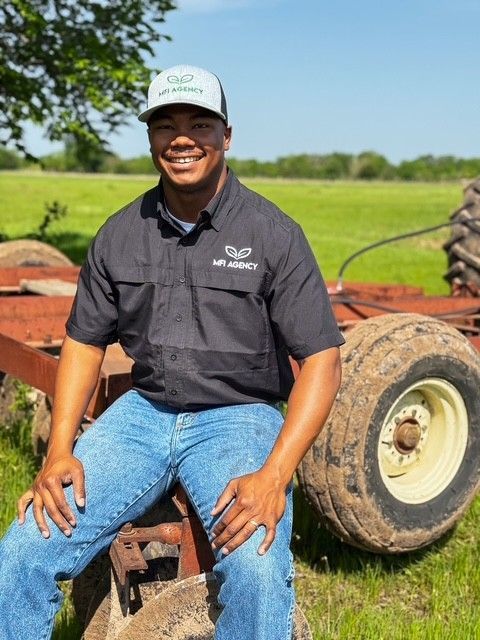
As Owner of MFI Agency, I bring firsthand experience as a farmer and business owner to helping clients protect what matters most. I focus on providing straightforward, dependable insurance solutions for farms, ranches, and commercial operations—built on trust, local values, and a deep understanding of the agricultural community.
Contact Us
Protection Built for Business Operations
Commercial Insurance Solutions
At MFI Agency, we deliver commercial insurance options designed to help businesses stay protected against common risks and unexpected challenges. Our coverages provide financial security so you can focus on growing your operation with confidence.
General Liability Insurance
Protect your business from claims of bodily injury, property damage, and personal injury.
Commercial Auto Insurance
Insure your trucks, trailers, and vehicles used for business purposes.
Commercial Umbrella Insurance
Extend your liability protection beyond the limits of your existing policies.
Excess Liability Insurance
Extra coverage to help protect your business from large, unexpected claims.
Experience and solutions tailored to your field.
Focused Protection for Specialized Industries
Every industry faces unique risks. At MFI Agency, we focus on industries that require specialized knowledge and strategic coverage. From traditional farming to agricultural innovation, we help protect the operations that feed, grow, and build our communities.
Farms
Read More
GET INSURED NOW!Protecting row crop farms, dairies, and aquaculture facilities with tailored insurance solutions.
Ranches
Read More
GET INSURED NOW!Coverage for cattle operations and livestock businesses to safeguard your livelihood.
Ag Suppliers
Read More
GET INSURED NOW!Insurance for feed mills, grain elevators, and input suppliers supporting agriculture.
Food Processors
Read More
GET INSURED NOW!Customized protection for commercial kitchens, processors, and manufacturers.
Food Distributors
Read More
GET INSURED NOW!Coverage for fleets, warehouses, and distribution networks moving products safely.
Retail/Foodservice
Read More
GET INSURED NOW!Insurance solutions for independently owned restaurants, cafes, and small food service operations.
Your Path to Better Protection
How to Get Started with MFI Agency
Getting the right insurance doesn’t have to be complicated. At MFI Agency, we follow a straightforward process to understand your needs and match you with the right coverage. Whether you’re insuring a ranch, agribusiness, or commercial operation, we’re here to guide you every step of the way.

FAQs About Our Services
Answers to Common Insurance Questions
Providing clarity on coverage and policies.
How does equipment breakdown insurance work for farms?
Equipment breakdown insurance provides coverage for unexpected mechanical or electrical failures of essential farm equipment. This includes machinery like irrigation systems, refrigeration units, and milking machines. Such coverage helps mitigate repair or replacement costs that aren't typically covered under standard property insurance.
For instance, if a power surge damages your grain dryer, equipment breakdown insurance can cover the repair expenses and any associated income loss due to downtime. This ensures that your farming operations can resume promptly without significant financial setbacks.
Can I get replacement cost coverage on tractors and farm equipment?
Yes, many insurance providers offer replacement cost coverage for tractors and farm machinery. This type of coverage reimburses you for the cost of replacing damaged equipment with new items of similar kind and quality, without deducting for depreciation.
For example, if your tractor is destroyed in a fire, replacement cost coverage would cover the expense of purchasing a new tractor of comparable specifications. It's important to note that eligibility for this coverage often depends on the age and condition of the equipment.
Do I need farm insurance if I am a hobby farmer?
Absolutely. Even if your farming activities are part-time or not your primary income source, hobby farm insurance is crucial. Standard homeowners insurance policies typically exclude coverage for farming operations, which means structures like barns or equipment like tractors may not be protected.
Hobby farm insurance provides tailored coverage for your unique needs, including protection for outbuildings, equipment, and liability risks. Whether you're selling produce at a local market or simply maintaining a small flock of chickens, this insurance ensures that your assets and activities are adequately covered.
We are licensed in Arkansas, Colorado, Iowa, Kansas, Oklahoma, Tennessee, Texas, Pennsylvania, and Utah.
Helpful Insights for Farmers and Business Owners
Latest Articles from MFI Agency
At MFI Agency, we believe informed clients make better decisions. Our blog shares practical tips on farm and business insurance, industry updates, and strategies to help protect what you’ve built. Whether you're managing crops, equipment, or employees — we’ve got helpful content to guide you.
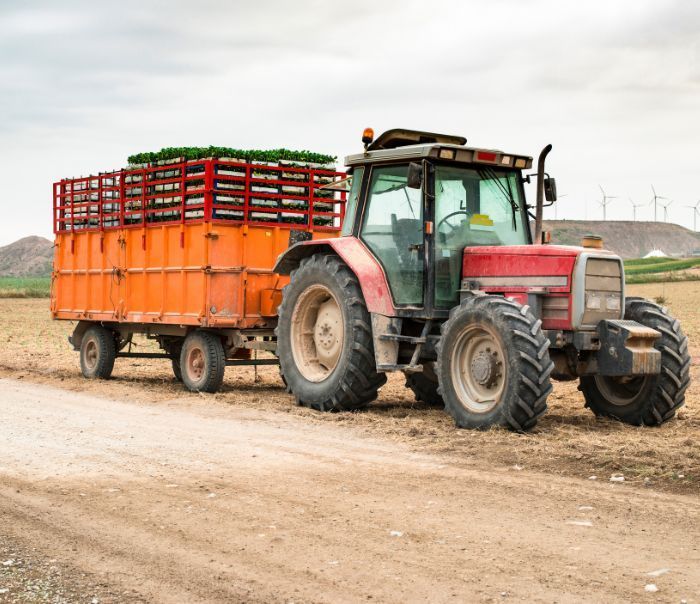
Is Your Farm Truck Covered Off-Road? What Texas Farmers Need to Know About Commercial Auto Insurance
Address
4216 Wesley St.Greenville, TX 75401
Contact Us
info@mfi-services.com
Call Us (903) 551-7903
Agency Hours:
Monday - Friday: 8:00am - 5:00pm
Start Your Insurance Journey with Confidence
Get a Quote from MFI Agency
Protect your farm, ranch, or business today.
Contact Us
Contact Us