


Top 3 Recommended Policies

This article explores the specialized world of poultry house insurance in Oklahoma. It examines how the local poultry industry’s unique risks and developments shape insurance needs. With Oklahoma ranking high in broiler production and facing evolving regulatory and market dynamics, understanding the ins and outs of poultry house insurance can help producers and investors navigate uncertainties. For example, Oklahoma produced 7.35 billion pounds of broilers in 2022 according to the University of Arkansas System Division of Agriculture, a statistic that underscores the state's significant position in the industry.
The intricate balance between production growth and insurance challenges has made the insurance coverage for poultry operations a vital tool in risk management. Analyzing trends from consumer behavior and industrial expansion provides both historical context and a blueprint for forward-looking risk assessment. In this detailed guide, every detail is explored-from rising property insurance costs to regulatory hurdles associated with industrial growth.
As the poultry sector continues to evolve in Oklahoma, understanding these trends is crucial for stakeholders seeking reliable protection and sustainable growth.
Understanding Oklahoma’s Poultry Landscape
The poultry industry in Oklahoma is more than just a production powerhouse. It is a highly complex network of operations that includes breeding, processing, farming, and associated ancillary businesses. The state’s substantial contribution to broiler production has been a driving force for economic activity in the region.
Recent trends highlight the growth in industrial poultry production fueled by specific regulatory measures, such as Oklahoma's permit system. This system has led to a surge in large-scale operations that often avoid CAFO registration by opting to transport litter off-site, thereby reshaping the operational risk profile for producers as reported by KOSU.
Producers must now navigate not only the operational challenges inherent in managing poultry but also the evolving risk management landscape. The industry’s dynamic nature requires an approach to insurance that is as flexible and forward-thinking as the operations it aims to protect.
Risks and Challenges in Poultry Production
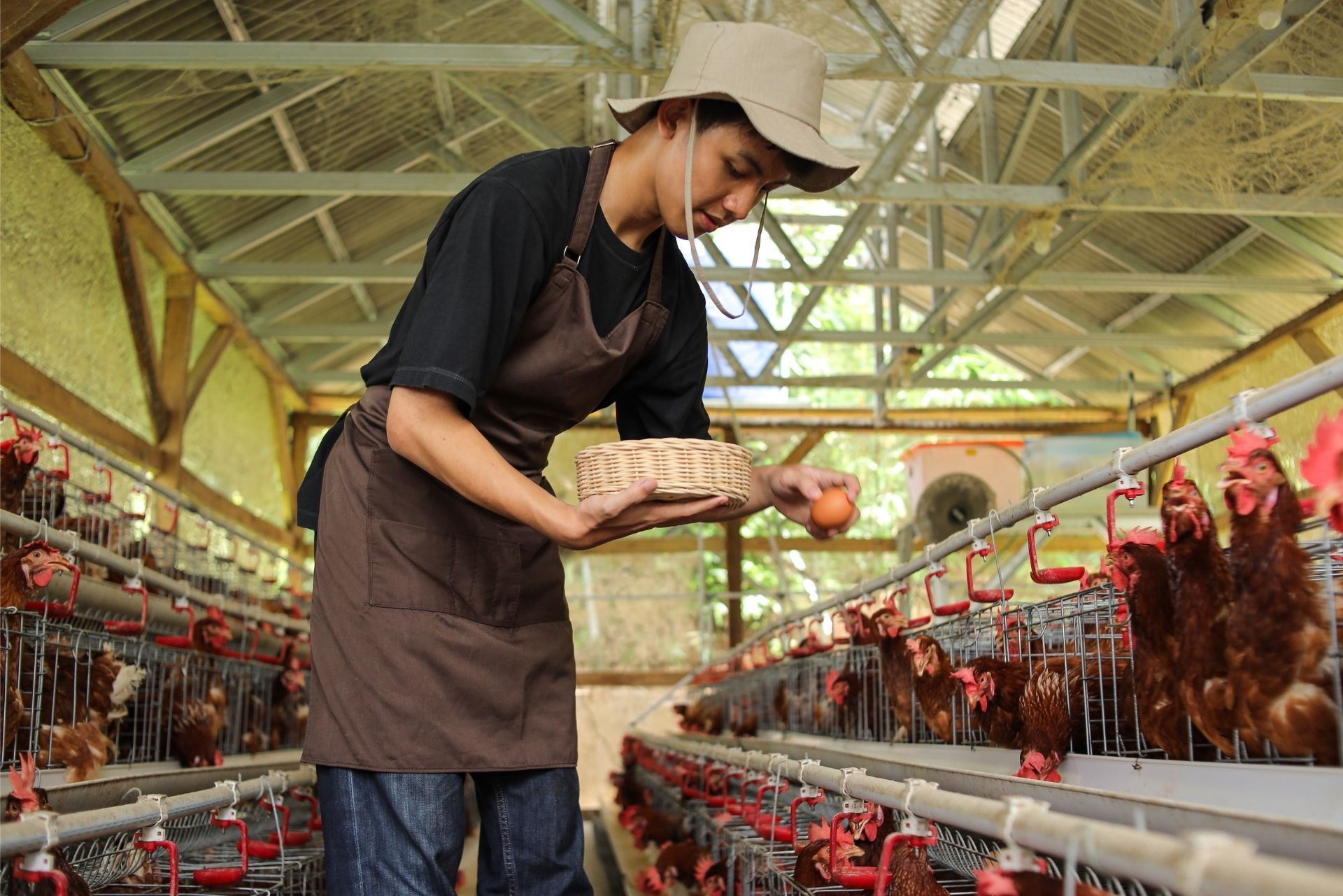
The specifics of poultry production pose unique hazards that influence the insurance industry. Operating large poultry farms requires vigilance against risks like disease outbreaks, structural damages, and environmental hazards. Insurance policies designed for these operations must account for potential disruptions that could push a business to the brink financially.
A notable insight from experts in the field is that a high-risk rating does not automatically deter investment. Instead, knowledgeable growers understand the trade-offs involved. A seasoned expert remarked, "Having high risk doesn’t mean that a location isn’t a worthy investment, just that there are obstacles a grower could face" according to the University of Arkansas System Division of Agriculture. That sentiment resonates strongly with businesses that operate in sectors where risk and reward are closely linked.
Producers face additional challenges with environmental regulations and evolving standards for waste management. The evolving regulatory framework means that practices which once were acceptable may now trigger increased scrutiny and potential liabilities. These changes are a reminder that risk assessments and insurance policies must be regularly updated to remain relevant and comprehensive.
How Poultry House Insurance Addresses Operational Risks
Poultry house insurance is essential in mitigating the potential financial fallout from unexpected incidents. Insurance products specifically tailored for poultry operations offer coverage for various types of losses, ranging from property damage due to natural disasters to business interruption in the event of a disease outbreak.
Coverage details often include structural protections for poultry houses, equipment replacement, and liability coverage against environmental compliance issues. The insurance configurations are designed to match the specific risks inherent to each operation, acknowledging that even within a single industry, risks can vary considerably from one establishment to the next.
Businesses that navigate these challenges often rely on risk management strategies that include regular updates of their insurance policies. A resilient insurance plan not only covers immediate loss but also offers guidance and best practices for maintaining safety standards that could reduce premium costs over time.
Insurance Market Trends and the Global Outlook
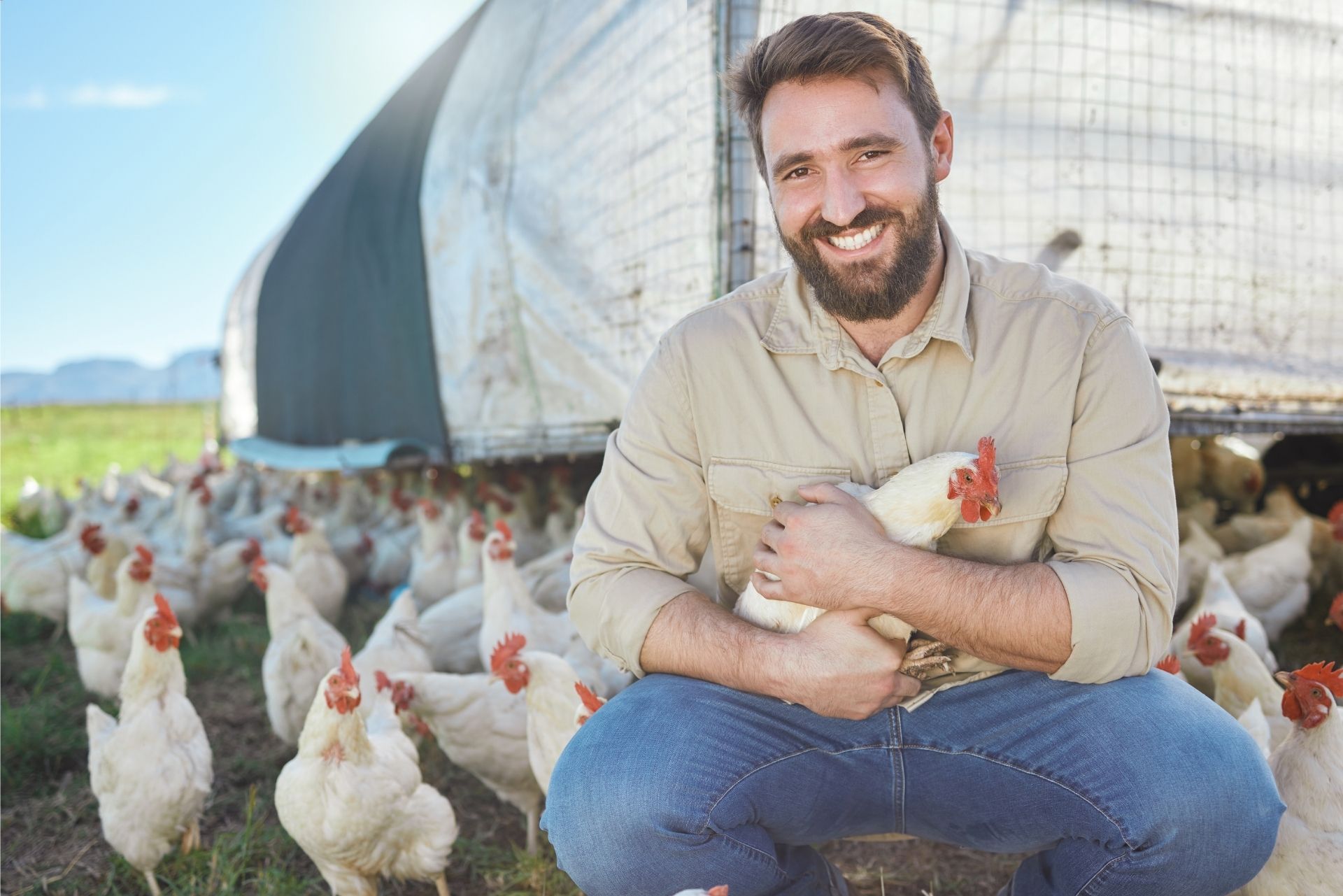
The global market for poultry insurance is experiencing significant growth. Major players in the insurance market, such as Agrisurance Inc., Farmer Mac, Great American Insurance Group, and even firms like Lloyd's of London, are expanding their portfolios to cover the unique risks of poultry production. This diversification reflects the importance of the poultry sector in the broader context of agricultural production.
For many insurers, the rapid growth of the industry's scale has prompted revisions in policy options and risk assessment models. With Oklahoma production statistics making headlines and global market trends influencing insurance design, businesses are increasingly able to access specialized policies that blend traditional property insurance with tailored industrial risk solutions. The evolving marketplace is a testament to the need for robust coverage and adaptability in policy design.
These insurance trends echo the broader shift towards specialization in the agricultural insurance realm, where the specific needs of poultry operations are met with highly specialized, data-driven evaluations. Whether it is assessing the vulnerability of equipment or predicting the impact of critical market disruptions, the insurance products now available reflect an industry that is as dynamic as it is essential.
Navigating Financial Challenges Amid Rising Insurance Costs
One challenge that does not spare Oklahoma’s poultry and property owners alike is the rise in insurance premiums. Homeowners in Oklahoma are projected to see an 8% increase in home insurance costs by the end of 2025, with tariffs potentially pushing this rise to as high as 11% as reported by KOCO. This trend extends beyond residential properties and reflects an overall tightening of insurance cost controls in the wake of rising material and labor costs.
The rationale behind these premium increases becomes clear when one considers that higher prices for building materials translate directly into increased risk exposure for insurers. State Insurance Commissioner Glen Mulready explained that when the cost of a 2x4 or the price of shingles goes up, the corresponding insurance premiums must adjust accordingly so that restoration or replacement costs remain covered according to KOCO.
In practice, poultry operations face a similar scenario. The increased cost of construction supplies and operational inputs means that both new and renewing policies need to factor in these higher replacement costs. For producers, this can involve recalibrating budgets and ensuring that the insurance coverage they select adequately accounts for these potential future increases.
How Regulatory Developments Influence Insurance Coverage
Recent regulatory shifts in Oklahoma have contributed to an environment in which large-scale poultry farming can expand while simultaneously evading certain classifications, such as CAFO registration. This dynamic regulatory process has implications for risk assessment. The ability of large farms to transport litter off-site, for example, modifies the type of risk that insurers need to cover.
Regulatory changes have a ripple effect on coverage costs and policy structures. When businesses know that certain risks have been externally mitigated or altered by permitting changes, the insurance policies are adjusted to reflect the new operational landscape. This dynamic shift calls for insurance professionals to adopt more granular risk assessment methods that take into account the complex interplay between regulation and operational reality.
These changes underscore the need for continuous dialogue between regulators, producers, and underwriters. An adaptive insurance product in Oklahoma’s poultry sector is not just about offering coverage for existing operations-it is about anticipating the future needs that come with evolving industry standards and regulatory expectations.
Consumer Behavior and Market Insights
A recent study conducted by the National Chicken Council and WATT Global Media provides valuable insights into U.S. consumer behavior regarding fresh chicken and other proteins as noted in the study findings. While the research primarily focused on consumption trends, its implications for production risk management in Oklahoma are significant.
The study, which surveyed 620 U.S. adults, found that consumer demand for high-quality, fresh chicken is on the rise. These insights are critical for producers who need to align their production, processing, and risk management strategies with consumer expectations. A market shift driven by consumer awareness has prompted companies to invest in advanced technologies and improved husbandry practices that, in turn, influence the risk profiles that insurers need to consider.
Certainly, as consumers become more discerning about the origin and quality of the food they eat, the pressure grows on producers to maintain high operational standards. The correlation between consumer trends and risk management is a clear reminder for businesses to adopt proactive measures-both in ensuring product quality and in securing robust insurance behind-the-scenes.
Tailoring Insurance Policies to Sector Specifics
The specificity of poultry production means that a one-size-fits-all approach in insurance simply does not work. Policies must be tailored to address the persistent challenges in managing large flocks, sophisticated production facilities, and the intricate logistics of feed and waste management.
For example, livestock and property insurance for poultry operations typically cover fire, flood, and other natural disasters that can substantially disrupt production. A tailored policy would consider the value of a broiler house, the specialized equipment in use, and even the storage conditions for feed. Such specificity helps limit unexpected out-of-pocket expenses in the wake of a disaster. This approach allows the insured to remain resilient in the face of sporadic but severe events.
Insurers are increasingly incorporating predictive analytics and historical data in these policies. With the availability of production statistics-like Oklahoma’s impressive 2022 output of 7.35 billion pounds of broilers
based on research from the University of Arkansas System Division of Agriculture-risk models are becoming more refined. Insurers can design policy packages that are not only competitive but genuinely reflective of the unique challenges poultry operations face.
Operational Risk Management and Insurance Cost-Saving Strategies
Effective risk management strategies can often result in tangible insurance savings. Producers in Oklahoma are encouraged to adopt best practices that both minimize exposure and bolster defenses. Simple measures, such as regular facility inspections, updated disaster response plans, and continuous staff training, can significantly influence premium costs.
Investing in advanced security systems and automated monitoring technologies not only improves operational efficiency but also provides data that insurers can use to adjust risk profiles. The data-driven approach has gained traction because it ensures that both producer and insurer are better prepared in the event of an incident. Reduced risks result in lowered premiums over time, making proactive measures both a safety and a financial strategy.
Some risk management strategies are specific to the poultry industry. For instance, modifications in waste management and biosecurity protocols help reduce the spread of diseases, which can be catastrophic. Well-maintained records that document these preventive measures enhance credibility with insurers and provide a justification for lower premiums. Such strategies are essential in a market where both domestic and global pressures influence production costs and operational expectations.
The variety of insurance products available for poultry operations can make it challenging to pinpoint the right match. A comparative analysis is essential for understanding the differences between basic coverage options and extended policies designed specifically for large-scale operations. The following table provides an overview of typical coverage aspects along with their corresponding benefits:
| Coverage Aspect | Basic Policy | Extended Policy |
|---|---|---|
| Property Protection | Covers structural damages and standard equipment loss ment | Includes specialized facilities, advanced equipment, and technological assets |
| Liability Coverage | Standard bodily injury and property liability | Expanded coverage for environmental and agricultural-specific liabilities |
| Business Interruption ty Coverage | Limited payout for short-term disruptions | Extended payout options that factor in recovery time for large-scale operations |
| Loss of Livestock | Basic compensation for culled stock | Customized addition for diseaseEnhanced compensation models designed for mass production settings-related risks |
| Regulatory Compliance | General advisory services | Dedicated consulting to navigate changing regulations, including CAFO-related policies |
This side-by-side comparison stresses the need to evaluate not only premium costs but also the depth of coverage. For producers whose operations are robust and expansive, an extended policy may better safeguard the diverse risks they face.
The decision-making process should also consider the extent to which additional coverage provisions can offset future uncertainties, such as market volatility or regulatory changes.
Impact of Material Costs and Market Fluctuations
Rising costs in materials have a ripple effect on the agricultural sector’s insurance outlook. In Oklahoma, increased costs for construction supplies like lumber and roofing materials inevitably translate into higher premiums. These costs are passed on as part of the replacement value calculations that underpin these insurance policies.
When the raw cost of building materials sees even modest increases, it results in a corresponding adjustment in the overall risk exposure. This interdependence means that producers must keep a close eye on industry trends to anticipate and negotiate more favorable insurance conditions. State Insurance Commissioner Glen Mulready articulated that higher construction costs are a key driver of increasing insurance premiums as detailed by KOCO, underscoring the intertwined nature of operational costs and insurance risk.
For poultry producers, rebuilding a damaged facility is not just about replacing physical assets; it’s also about minimizing downtime and mitigating long-term financial impacts. Having a tailored insurance policy that factors in future cost projections enables producers to plan more effectively and secure loans or investments that provide a buffer against unforeseen expenses. These proactive measures underpin a comprehensive risk management strategy that balances short-term needs with long-term operational viability.
Sector-Specific Insurance Insights: What’s Next?
Looking ahead, the poultry industry in Oklahoma is poised to benefit from further advancements in both production technology and risk management practices. As digital tools become more established, predictive analytics in insurance underwriting is expected to become more sophisticated. Insurers will likely rely on real-time data and historical performance metrics to craft policies that more accurately reflect operational risks.
In a regulatory environment where adjustments occur frequently, both producers and insurers must commit to continuous improvement. Customized coverage for poultry operations is evolving, with policies growing more flexible to address emerging risks-from climate-related disasters to market fluctuations driven by global demand shifts. With Oklahoma's industrial poultry growth accelerating due to recent permit system innovations as observed by KOSU, insurers are re-evaluating risk models to ensure that coverage remains both comprehensive and financially sustainable.
This evolution is not just a response to external pressures; it also reflects a commitment to industry stewardship and stability. For stakeholders, understanding the projected trajectory of insurance models can be a critical competitive advantage in maintaining a resilient operation that adapts to market demands and regulatory conditions.
Practical Steps to Enhance Insurance Preparedness
Producers looking to optimize their insurance coverage can implement several practical measures. First, investing in regular risk assessments helps identify vulnerabilities before they lead to significant losses. These assessments provide a current snapshot of operational risk and can help justify lower premiums when executed consistently.
Upgrading safety protocols and maintaining detailed records of preventive measures have a direct impact on underwriting. Insurance providers recognize that diligent recordkeeping and a proactive maintenance schedule reduce potential claims. As risk management practices improve, so do the chances of negotiating more favorable premium rates and conditions.
It is also wise to periodically consult with insurance experts who specialize in the agricultural sector. Such experts are privy to market trends and offer insights that might not be immediately apparent to non-specialists. Their guidance can ensure that policies remain in line with both current needs and future projections, thereby forming a critical part of an overall risk management strategy.
Addressing Insurance for Homeowners in a Related Market
While poultry house insurance is highly specialized, the challenges facing Oklahoma’s agricultural producers often parallel those encountered by residential property owners. The rising cost of home insurance-an anticipated 8% increase by the end of 2025, with potential spikes nearing 11%-reflects broader economic pressures that permeate multiple sectors as highlighted by KOCO.
The cost pressures on homeowners are driven by similar underlying factors: inflation in material costs, increased labor expenses, and shifting market dynamics. In both commercial and residential contexts, risk management strategies such as improved building codes, regular maintenance, and investment in resilient construction materials are critical. For poultry operations, similar principles apply when it comes to upgrading facilities and technology to reduce exposure to damage and operational interruptions.
This parallel serves as a reminder to all insured parties to remain vigilant and proactive in managing risks. Whether the focus is on livestock and production assets or on sections of a residential property, the same economic forces are at play.
Frequently Asked Questions
What specific risks does poultry house insurance cover?
Poultry house insurance typically covers property damage, business interruption, liability related to environmental or operational accidents, and even loss of livestock. These policies are designed to protect the operational assets of a poultry farm.
How does Oklahoma’s regulatory environment affect insurance policies?
Recent regulatory changes, such as the permit system that allows large poultry farms to avoid CAFO registration, impact the risk profile and require insurers to adopt new underwriting criteria that better reflect operational nuances.
Are there insurance savings available through proactive risk management?
Yes. Regular facility assessments, upgraded safety protocols, and detailed recordkeeping can help reduce risk exposure and may lead to lower premium rates with insurers.
How are rising material costs reflected in insurance premiums?
Insurance premiums are directly affected by the cost of materials used in reconstruction and repair. When prices for items such as lumber or roofing shingles increase, insurers adjust premiums to ensure that rebuilding costs are fully covered as explained by KOCO.
What should producers do to ensure they have the best possible coverage?
Producers should work closely with insurance professionals who specialize in agricultural risks. Regularly reviewing policies and risk management practices ensures that coverage remains up to date with the evolving operational landscape.
How does consumer demand affect poultry producers and insurance?
Rising consumer demand for high-quality chicken not only influences production practices but also drives insurers to consider newer risks and invest in policies that account for growth-driven operational changes
according to recent research.
Before You Go
Securing the right poultry house insurance in Oklahoma is an ongoing journey. As the state's poultry production continues to flourish and face new risks-ranging from regulatory changes to rising material costs-producers benefit immensely from staying proactive about risk management. By keeping up with market trends, re-assessing operational risks, and consulting with industry experts, poultry operations can safeguard their investments in an ever-evolving landscape.
Insurance is not merely a safety net; it is a strategic investment in the future of a business. In an industry as dynamic as poultry production, tailored coverage, comprehensive risk management, and practical cost-saving strategies ensure resilience and financial stability. The evolving regulatory landscape and emerging market trends further emphasize how critical proactive insurance planning is for long-term success.
For those interested in staying ahead of these trends, continuous dialogue with trusted insurance providers and regular updates to risk management practices are key. As Oklahoma embraces both industrial growth and modernization in insurance underwriting practices, poultry house insurance remains a vital shield for protecting both assets and future growth opportunities. Producers and investors alike can find reassurance in robust, specialized coverage that anticipates future challenges and protects against unforeseen losses.
Final Thoughts
Oklahoma's poultry industry remains a major economic engine that continues to evolve. The importance of tailored insurance solutions for poultry houses cannot be overstated as market pressures, regulatory shifts, and rising operational costs converge. With a detailed understanding of the risks involved and a commitment to proactive risk management, producers can foster sustainable growth and protect their operations from potential financial setbacks.
In a state where broiler production has reached significant milestones and regulatory impacts are ever-present, both producers and insurers must work hand in hand to navigate the challenges ahead. Understanding how factors such as material costs and consumer behavior influence insurance premiums is crucial in selecting a policy that meets both current and emerging needs.
As this guide outlines, the essentials of poultry house insurance in Oklahoma involve not only securing comprehensive coverage but also adopting advanced risk management strategies that can help mitigate financial losses over time. Moving forward, stakeholders in the poultry sector can take comfort in knowing that with the right information and preparation, a well-structured insurance plan will serve as a robust foundation in an uncertain environment. For more detailed insights on the evolving industrial and regulatory aspects of Oklahoma's poultry industry, remain informed through reputable industry updates and trusted news sources
such as the University of Arkansas System Division of Agriculture.
About The Author:
Terren Moore

As Owner of MFI Agency, I bring firsthand experience as a farmer and business owner to helping clients protect what matters most. I focus on providing straightforward, dependable insurance solutions for farms, ranches, and commercial operations—built on trust, local values, and a deep understanding of the agricultural community.
Contact Us
Protection Built for Business Operations
Commercial Insurance Solutions
At MFI Agency, we deliver commercial insurance options designed to help businesses stay protected against common risks and unexpected challenges. Our coverages provide financial security so you can focus on growing your operation with confidence.
General Liability Insurance
Protect your business from claims of bodily injury, property damage, and personal injury.
Commercial Auto Insurance
Insure your trucks, trailers, and vehicles used for business purposes.
Commercial Umbrella Insurance
Extend your liability protection beyond the limits of your existing policies.
Excess Liability Insurance
Extra coverage to help protect your business from large, unexpected claims.
Experience and solutions tailored to your field.
Focused Protection for Specialized Industries
Every industry faces unique risks. At MFI Agency, we focus on industries that require specialized knowledge and strategic coverage. From traditional farming to agricultural innovation, we help protect the operations that feed, grow, and build our communities.
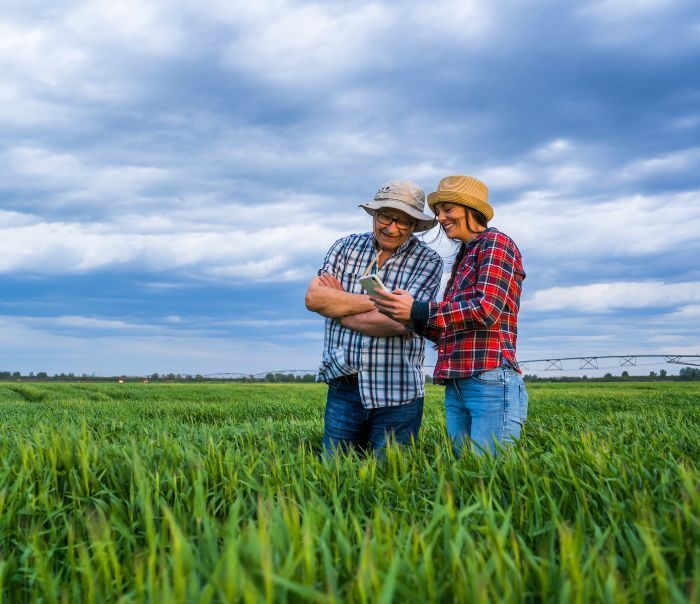
Farms
Read More
GET INSURED NOW!Protecting row crop farms, dairies, and aquaculture facilities with tailored insurance solutions.
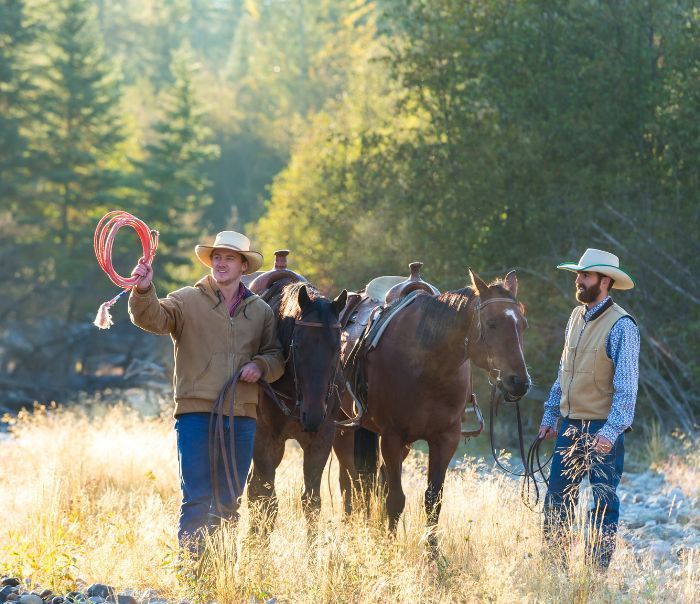
Ranches
Read More
GET INSURED NOW!Coverage for cattle operations and livestock businesses to safeguard your livelihood.
Ag Suppliers
Read More
GET INSURED NOW!Insurance for feed mills, grain elevators, and input suppliers supporting agriculture.
Food Processors
Read More
GET INSURED NOW!Customized protection for commercial kitchens, processors, and manufacturers.
Food Distributors
Read More
GET INSURED NOW!Coverage for fleets, warehouses, and distribution networks moving products safely.
Retail/Foodservice
Read More
GET INSURED NOW!Insurance solutions for independently owned restaurants, cafes, and small food service operations.
Your Path to Better Protection
How to Get Started with MFI Agency
Getting the right insurance doesn’t have to be complicated. At MFI Agency, we follow a straightforward process to understand your needs and match you with the right coverage. Whether you’re insuring a ranch, agribusiness, or commercial operation, we’re here to guide you every step of the way.
FAQs About Our Services
Answers to Common Insurance Questions
Providing clarity on coverage and policies.
How does equipment breakdown insurance work for farms?
Equipment breakdown insurance provides coverage for unexpected mechanical or electrical failures of essential farm equipment. This includes machinery like irrigation systems, refrigeration units, and milking machines. Such coverage helps mitigate repair or replacement costs that aren't typically covered under standard property insurance.
For instance, if a power surge damages your grain dryer, equipment breakdown insurance can cover the repair expenses and any associated income loss due to downtime. This ensures that your farming operations can resume promptly without significant financial setbacks.
Can I get replacement cost coverage on tractors and farm equipment?
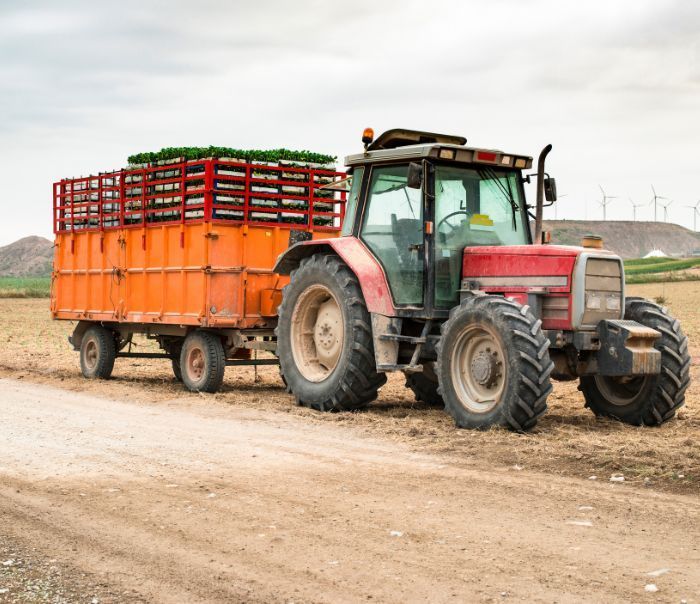
Yes, many insurance providers offer replacement cost coverage for tractors and farm machinery. This type of coverage reimburses you for the cost of replacing damaged equipment with new items of similar kind and quality, without deducting for depreciation.
For example, if your tractor is destroyed in a fire, replacement cost coverage would cover the expense of purchasing a new tractor of comparable specifications. It's important to note that eligibility for this coverage often depends on the age and condition of the equipment.
Do I need farm insurance if I am a hobby farmer?
Absolutely. Even if your farming activities are part-time or not your primary income source, hobby farm insurance is crucial. Standard homeowners insurance policies typically exclude coverage for farming operations, which means structures like barns or equipment like tractors may not be protected.
Hobby farm insurance provides tailored coverage for your unique needs, including protection for outbuildings, equipment, and liability risks. Whether you're selling produce at a local market or simply maintaining a small flock of chickens, this insurance ensures that your assets and activities are adequately covered.
We are licensed in Arkansas, Colorado, Iowa, Kansas, Oklahoma, Tennessee, Texas, Pennsylvania, and Utah.
Helpful Insights for Farmers and Business Owners
Latest Articles from MFI Agency
At MFI Agency, we believe informed clients make better decisions. Our blog shares practical tips on farm and business insurance, industry updates, and strategies to help protect what you’ve built. Whether you're managing crops, equipment, or employees — we’ve got helpful content to guide you.
Is Your Farm Truck Covered Off-Road? What Texas Farmers Need to Know About Commercial Auto Insurance
Address
4216 Wesley St.Greenville, TX 75401
Contact Us
info@mfi-services.com
Call Us (903) 551-7903
Agency Hours:
Monday - Friday: 8:00am - 5:00pm
Start Your Insurance Journey with Confidence
Get a Quote from MFI Agency
Protect your farm, ranch, or business today.
Contact Us
Contact Us