


Top 3 Recommended Policies

A sudden shift in industry trends and rising production numbers have redefined the landscape for poultry producers in Mississippi. Recent developments and data, such as a notable 10.5% increase in poultry revenue in 2024, underscore the necessity for comprehensive insurance policies that cover everything from property damage to disease outbreaks. This guide dives deep into what poultry house insurance in Mississippi entails and why it is a critical component of risk management for poultry operators. For more detailed figures on industry performance, see the
Mississippi State University Extension Service
The Importance of Poultry House Insurance in Mississippi
Rising production levels, rapid technological advances in housing equipment, and evolving disease threats have compounded the risks for poultry farmers. As these challenges mount, insurance becomes not just a safety net but also an essential business component. Insurance coverage helps manage potential financial losses arising from property damage, equipment breakdowns, and disease outbreaks.
A perfect example of the importance of such policies was seen in 2025 when avian influenza outbreaks led to increased egg prices and significant operational disruptions. Policies tailored to these risks may provide crucial financial support during disruptions. Recent industry reports emphasize how effective insurance coverage can offset losses in times of crisis.
For poultry operations, protecting investments with the right insurance policy is as critical as robust biosecurity measures. Specialists such as Jessica Wells from the Mississippi State University Extension Service have highlighted the need for strong defense mechanisms against diseases like avian influenza, which can decimate flocks very quickly.
Understanding Poultry House Insurance Coverage
Scope and Coverage
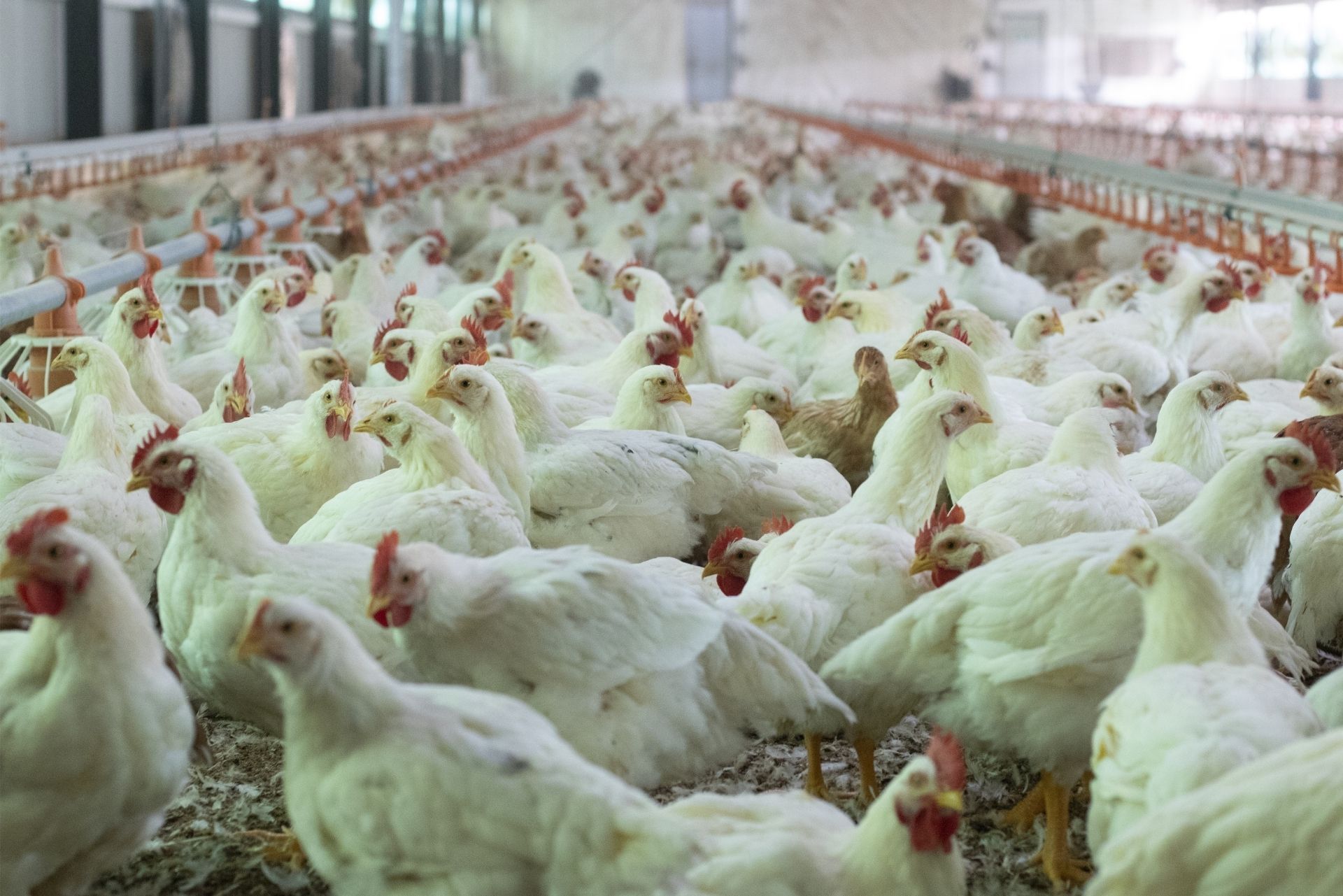
Poultry house insurance typically covers a range of risks that affect both the physical structure of the poultry houses and the equipment within. This includes fire damage, natural disasters, equipment breakdowns, and disease outbreaks that can result in mass culling or production shutdowns. In essence, the policy works to mitigate financial losses that can severely disrupt business operations.
The extent of coverage may also depend on whether the policy includes business interruption, which allows farmers to recover lost revenue during prolonged shutdowns. Such features are particularly important in Mississippi, where the poultry industry, contributing billions to the state’s economy, supports tens of thousands of jobs.
Farmers should evaluate policies carefully to ensure that both property and operational risks are comprehensively addressed. Insurance experts often work closely with poultry producers to tailor policies that reflect unique operation sizes, regional hazards, and specific production practices.
Standards and Compliance
Maintaining compliance with regulatory standards is crucial for the success of poultry operations. Mississippi farmers adhere to several codes, including those that deal with grounding systems and other safety protocols. Recent studies indicate that over 65% of broiler houses in Mississippi meet these standards, a significant indicator of proactive risk management. Detailed insights on compliance can be found in the analysis provided by Dr. Rowland at the Mississippi State University (study report).
Insurance policies may require proof of such compliance as part of their risk assessments. Failing to meet these safety standards potentially leads to higher premiums or exclusion of certain coverage aspects. Therefore, collaborating with experts and ensuring that all risk management practices are up to code is not only strategically smart but also financially beneficial.
Additionally, regular updates regarding best practices and emerging challenges are essential. Mississippi State University Extension Service continues to update protocols as new threats like avian influenza and biosecurity concerns emerge.
Key Considerations for Selecting an Insurance Policy
Choosing the right insurance policy for a poultry operation in Mississippi is a multi-faceted process. With industry-specific risks on the rise, operators should consider several critical factors. Whether it is the scale of the production, regional risk factors, or unique hazards such as exotic disease outbreaks, these elements determine the right match between coverage and business needs.
Several policy aspects must be reflected in the final decision: the scope of covered events, the comprehensiveness of business interruption policies, and the inclusion of risk management consultations. A detailed discussion with insurance providers can reveal potential gaps in coverage, ensuring a well-matched policy cover. Data points from major studies suggest that proactive measures in grounding systems and biosecurity can significantly lower insurance costs over time, mitigating long-term risks.
Discussions with agents might include a cost-benefit analysis where the increased premium is weighed against the likelihood of high-cost claims. Such analyses often benefit from expert insights like those shared by poultry specialists in regional reports. For more context on market conditions in Mississippi, a recent
economic impact study provides in-depth insights into the industry.
Risk Management in Mississippi’s Poultry Industry
Understanding Industry Specific Risks
One of the primary challenges facing Mississippi's poultry industry is managing disease threats, which can quickly escalate into economic crises. Outbreaks like avian influenza have led to significant market fluctuations, manifesting in increased egg prices and production slowdowns. Insurance policies that cater to these losses provide a necessary buffer, allowing farmers to continue operations without suffering catastrophic financial setbacks.
Farmers often integrate biosecurity measures such as controlled access, regular cleaning protocols, and visitor restrictions to protect their flocks. The integration of such practices not only minimizes disease spread but also benefits insurance coverage conditions. Poultry experts, including those from the Mississippi State University Extension Service, argue that stringent biosecurity helps reduce potential claims, thereby stabilizing premium costs over time.
Understanding these risks is essential, as new developments – like the detection of Highly Pathogenic Avian Influenza (HPAI) H5N1 in U.S. dairy cattle – shed light on the unpredictable nature of zoonotic diseases and their economic implications (industry update).
Leveraging Technology and Compliance
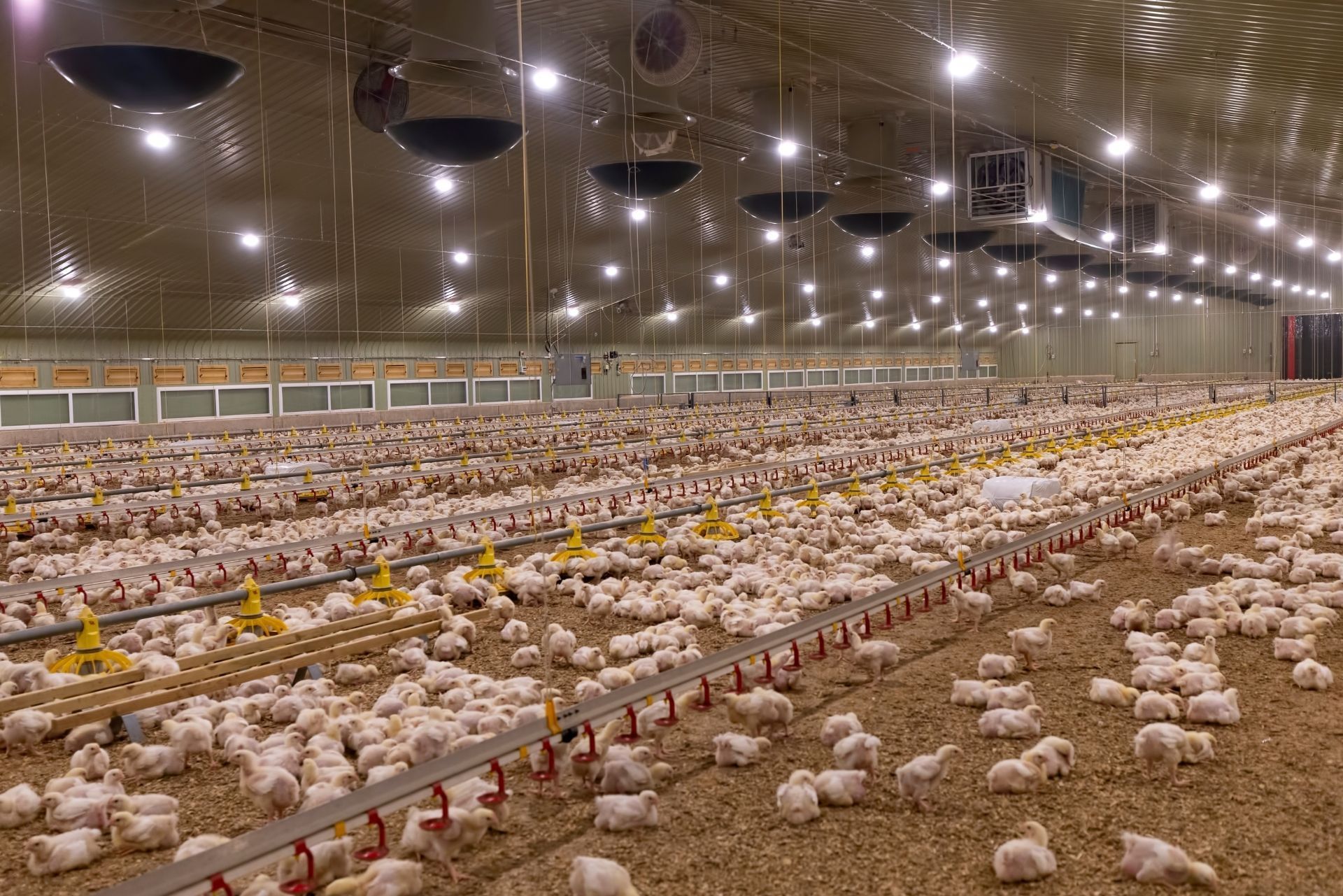
Technological advancements have paved the way for enhanced risk management. Sensors, automation, and real-time monitoring tools are now widespread in modern poultry houses. These innovations help detect anomalies that could indicate a system failure or a disease outbreak earlier, providing an opportunity to take remedial actions before the situation worsens.
Insurance companies are beginning to recognize these technologies as a means to reduce risks, often offering lower premiums for farms that invest in advanced monitoring and compliance systems. Specific compliance measures, such as maintaining up-to-code grounding systems, have bolstered the reliability of these operations. In fact, data indicating that over 65% of Mississippi’s broiler houses have implemented such safety features sends a clear message about the industry’s commitment to risk reduction.
Enhanced digital platforms now allow for thorough documentation and transparency. This not only aids insurers in verifying claims but also helps farmers demonstrate that they are following best practices. The integration between technology and compliance plays a critical role in ensuring that proper risk management measures are firmly in place.
Economic Impact of the Mississippi Poultry Industry
Market Growth and its Implications
Mississippi’s poultry industry is a formidable force within the state’s economy. Recent figures show that the industry generated over $3.8 billion in 2024, reflecting a significant 10.5% increase from the previous year (Mississippi State University Extension Service). Production numbers have steadily improved over time, and with nearly 731 million broilers produced in 2024, Mississippi has maintained a robust position in broiler production.
This growing market underlines the importance of addressing the specific risks associated with large-scale production. The increased volume of poultry output requires more complex and layered insurance solutions capable of addressing not just local risks, but also those that might arise from national or even global market fluctuations.
The economic boost coming from the poultry sector supports thousands of jobs and contributes significantly to state revenues. With the Mississippi Poultry Association reporting a combined economic impact of $23.5 billion and direct employment of over 31,800 people, the industry is vital to the state’s financial stability. Collaboration between insurers and industry stakeholders is essential in providing coverage that reflects this scale and complexity.
Insurance as a Protective Economic Measure
Economic resilience in the poultry sector is closely tied to risk management. Insurance policies do more than simply cover damages after an event-they play a role in maintaining operational continuity. When producers know that a safety net is in place, they are more likely to invest in future growth and adopt innovative practices. This assurance is vital, especially in times marked by market uncertainties and unexpected events, as was the case during recent avian influenza outbreaks.
Data from previous studies, including one showing Mississippi's poultry industry's contribution of approximately $18.36 billion to the state economy, reinforces insurance as an economic stabilizer (Mississippi State University study). Businesses that invest in comprehensive coverage can better withstand shocks that might otherwise lead to severe financial losses.
Insurance is not an isolated cost but an integral element of a comprehensive risk management strategy. Its role in protecting assets and guarding against unpredictable events makes it a cornerstone of long-term economic planning for poultry enterprises.
Poultry Insurance Policy Essentials
Coverage Options and Customization
When evaluating a poultry insurance policy, several coverage options must be considered. Many policies allow producers to choose specific endorsements that match the scope of their operations. For instance, coverage may include property damage, equipment malfunctions, business interruption, and even liability claims arising from consumer disputes related to product quality.
Customization is crucial. A one-size-fits-all approach rarely meets the diverse needs of poultry operations in Mississippi. In addition to standard policies, producers may also invest in endorsements that cover biosecurity breaches. This is particularly important given the rising threats from diseases like avian influenza. Experts like Jessica Wells highlight that incorporating such tailored coverages can prove instrumental in safeguarding investment (biosecurity insights).
Insurance providers often work with poultry operators to identify specific risk exposures. These consultations can lead to adjustments in premiums, deductibles, and limits, ensuring that the final policy accurately reflects the risk profile of the operation.
Evaluating Premiums and Deductibles
Premiums for poultry insurance policies are influenced by a range of factors such as the geographic location of the farm, the size and structure of the facilities, and past claims history. Routine maintenance of high safety standards, like proper grounding systems and advanced monitoring practices, often results in lowered premiums.
Deductibles are another essential element in the conversation. A higher deductible might lower initial premium costs but can increase out-of-pocket expenses during a claim. Selecting the right balance is a matter of careful evaluation of both short-term financial constraints and long-term risk exposure. By planning strategically, producers can maintain robust coverage without compromising on their financial health.
Insurance agents specializing in agricultural policies advise a comparative study of different policies and coverage levels. Their guidance is based on both current industry standards and emerging risks in the market, including seasonal challenges and region-specific issues.
Charts and Comparisons: Distinguishing Policy Options
For producers seeking a visual comparison of policy options, a side-by-side chart can clarify the differences between basic and extended coverage plans. The following chart illustrates key differences that are often considered when choosing an insurance policy.
| Coverage Aspect | Basic Policy | Extended Policy |
|---|---|---|
| Property Damage | Limited coverage in case of fire and natural disasters e and equipment | Comprehensive coverage including equipment and structural damage |
| Business Interruption Business Interruption | Limited to short-term loss of revenue | Extended duration with wage replacement benefits |
| Liability Coverage | Standard liability for on-site incidents | Expanded liability including product-related claimsstain operations |
| Biosecurity Endorsement | Often not included | Customized addition for disease-related risks |
This table underscores how extended policies can better protect against a wider range of risks. Such comparisons are particularly valuable when aligning coverage needs with the increasing complexities of the current market.
Producers can thus make informed decisions by considering both the potential benefits and the costs associated with each coverage type. Tools that provide side-by-side evaluations are an emerging trend in fostering transparency between insurers and the agricultural community.
Best Practices for Risk Mitigation
Integrating Biosecurity Measures
Effective risk management begins with on-farm biosecurity. Essential practices include restricting access to poultry houses, implementing disinfection protocols, and monitoring flock health regularly. These measures not only safeguard the poultry but also contribute to lower insurance premiums over time. Experts have repeatedly stressed the importance of such measures to limit the spread of diseases, including avian influenza.
Implementing rigorous biosecurity measures has tangible benefits on both operational continuity and insurance claims management. For example, poultry specialist insights highlight that prudent biosecurity minimizes exposure to pathogens and, as a result, reduces the probability of a claim. This integrated strategy of technology, compliance, and preventive measures plays an integral role in the valuation of insurance claims during adverse events.
Policies that favor proactive risk management often reward operations with better coverage terms and lower premiums. As the industry evolves, fewer claims related to disease outbreaks and equipment failure translate to stronger financial stability for producers.
Routine Safety Audits and Compliance Checks
Adhering to state and federal guidelines is essential for operational success in the poultry industry. Regular safety audits not only ensure that facilities meet all necessary standards but also contribute to lowering potential insurance liabilities. For instance, a recent assessment showed that many Mississippi broiler houses have updated grounding systems in line with regulatory requirements (industry report).
Adopting regular maintenance schedules and safety audits can help identify vulnerabilities before they lead to major issues. These practices, when documented and reviewed, serve as proof points during insurance assessments. Compliance not only benefits operational safety but also builds a solid track record that insurers appreciate.
Ensuring regular inspections and risk assessments also complements broader risk management strategies. Producers adopting these proactive measures are often better positioned to negotiate more favorable terms with their insurance providers.
Financial and Operational Considerations
Financial stability in the poultry industry depends on a synergy between operational efficiency and comprehensive risk management. Insurance acts as both a protective and enabling mechanism, allowing operations to expand confidently by addressing the uncertainties inherent in agricultural production. The critical integration of prudent insurance coverage and cost-managing practices can help avoid the pitfalls of unexpected financial burdens.
For instance, Mississippi's robust industry has seen a remarkable rise in both volume and revenue, making comprehensive insurance coverage a cornerstone of sustainable growth. The recent 10.5% increase in revenue captured in 2024 is a testament to the sector's upward trajectory (industry statistics). In light of this growth, poultry producers must weigh the benefits of insurance premiums against the potential for catastrophic financial disruption.
Moreover, the industry has witnessed fluctuations attributable to unexpected events, like the recent rise in avian influenza cases. In such scenarios, solid insurance coverage provides a financial buffer that supports operational continuity during market downturns or production halts.
Frequently Asked Questions
This section addresses common concerns poultry operators may have when navigating the complexities of insurance requirements in Mississippi.
Q: What does poultry house insurance typically cover?
A: Poultry house insurance usually covers property damage, equipment failures, business interruption, and liability claims. Some policies can also include endorsements for biosecurity breaches and disease outbreaks.
Q: How can farmers reduce their insurance premiums?
A: Investing in advanced biosecurity measures, regular safety audits, and updated compliance systems can help lower premiums by reducing the risk of claims. Documenting these safety measures is crucial to negotiating better terms.
Q: What are the implications of a disease outbreak for coverage?
A: Disease outbreaks like avian influenza can lead to significant business interruptions and property damage. Comprehensive policies provide coverage for these risks, thereby reducing overall financial losses during such events.
Q: Is it necessary to customize my insurance policy?
A: Yes. Customizing your policy to match your operation’s size, specific risks, and regional challenges ensures full protection and can make claims processes smoother in case of a disruption.
Q: How do technological advancements affect policy rates?
A: Advanced monitoring, automation, and real-time risk management systems can significantly reduce the likelihood of serious incidents, potentially leading to reduced premiums.
Q: What should be considered when evaluating a poultry insurance policy?
A: Consider the scope of coverage, limitations of policies, deductibles, and options for business interruption. Evaluating these factors in light of your operation’s specific risks is essential for selecting the right policy.
What to Remember About Poultry House Insurance in Mississippi
The Mississippi poultry industry continues to experience significant growth, with remarkable production levels and increased revenue. As the industry expands, the necessity for comprehensive insurance becomes ever more apparent. With challenges like disease outbreaks and equipment breakdowns possible in any season, having a robust insurance policy is crucial to safeguard profits and ensure operational longevity.
While selecting a policy, paying close attention to coverage scope, customization options, and compliance with state safety guidelines is imperative. The details matter-a tailored policy can make a significant difference in how well a business recovers after an unexpected event. Insights provided by experts and backed by recent industry data offer a practical guide to navigating these intricacies effectively.
For more detailed discussions on market performance and economic impact, refer to the reports available from the
Mississippi State University Extension Service and industry publications. These sources highlight the need for ongoing vigilance and periodic review of both operational protocols and insurance coverage.
Final Thoughts on Risk Management and Protection
The dynamism of Mississippi’s poultry industry requires poultry operators to adopt a multi-layered approach to safeguarding their investments. Advanced risk management practices integrated with comprehensive insurance coverage provide not only a safety net but also foster confidence in future growth and stability.
Such an approach is particularly important given emerging challenges, including disease outbreaks that have previously disrupted markets. With proactive strategies and well-tailored policies, the industry is better positioned to weather challenges without enduring crippling financial losses.
Ultimately, the value of poultry house insurance extends beyond risk transfer; it reinforces the operational backbone of a vibrant agricultural sector. Embracing these strategies will help ensure that profitability endures despite the unpredictable nature of agricultural business. Recent discussions in the media further underscore the urgency of prioritizing comprehensive insurance.
Thoroughly assessing risk, leveraging technological enhancements, and investing in tailored insurance policies together create a robust framework for long-term success in Mississippi’s poultry sector. In an industry that is both dynamic and essential to the state’s economy, protecting assets and ensuring operational resilience remains a top priority. As the landscape shifts, so too must the strategies employed-keeping producers well-informed and well-protected every step of the way.
About The Author:
Terren Moore

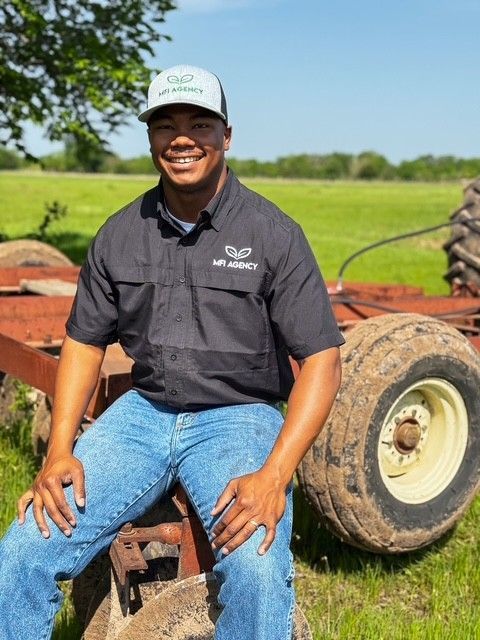
As Owner of MFI Agency, I bring firsthand experience as a farmer and business owner to helping clients protect what matters most. I focus on providing straightforward, dependable insurance solutions for farms, ranches, and commercial operations—built on trust, local values, and a deep understanding of the agricultural community.
Contact Us
Protection Built for Business Operations
Commercial Insurance Solutions
At MFI Agency, we deliver commercial insurance options designed to help businesses stay protected against common risks and unexpected challenges. Our coverages provide financial security so you can focus on growing your operation with confidence.
General Liability Insurance
Protect your business from claims of bodily injury, property damage, and personal injury.
Commercial Auto Insurance
Insure your trucks, trailers, and vehicles used for business purposes.
Commercial Umbrella Insurance
Extend your liability protection beyond the limits of your existing policies.
Excess Liability Insurance
Extra coverage to help protect your business from large, unexpected claims.
Experience and solutions tailored to your field.
Focused Protection for Specialized Industries
Every industry faces unique risks. At MFI Agency, we focus on industries that require specialized knowledge and strategic coverage. From traditional farming to agricultural innovation, we help protect the operations that feed, grow, and build our communities.
Farms
Read More
GET INSURED NOW!Protecting row crop farms, dairies, and aquaculture facilities with tailored insurance solutions.
Ranches
Read More
GET INSURED NOW!Coverage for cattle operations and livestock businesses to safeguard your livelihood.
Ag Suppliers
Read More
GET INSURED NOW!Insurance for feed mills, grain elevators, and input suppliers supporting agriculture.
Food Processors
Read More
GET INSURED NOW!Customized protection for commercial kitchens, processors, and manufacturers.
Food Distributors
Read More
GET INSURED NOW!Coverage for fleets, warehouses, and distribution networks moving products safely.
Retail/Foodservice
Read More
GET INSURED NOW!Insurance solutions for independently owned restaurants, cafes, and small food service operations.
Your Path to Better Protection
How to Get Started with MFI Agency
Getting the right insurance doesn’t have to be complicated. At MFI Agency, we follow a straightforward process to understand your needs and match you with the right coverage. Whether you’re insuring a ranch, agribusiness, or commercial operation, we’re here to guide you every step of the way.

FAQs About Our Services
Answers to Common Insurance Questions
Providing clarity on coverage and policies.
How does equipment breakdown insurance work for farms?
Equipment breakdown insurance provides coverage for unexpected mechanical or electrical failures of essential farm equipment. This includes machinery like irrigation systems, refrigeration units, and milking machines. Such coverage helps mitigate repair or replacement costs that aren't typically covered under standard property insurance.
For instance, if a power surge damages your grain dryer, equipment breakdown insurance can cover the repair expenses and any associated income loss due to downtime. This ensures that your farming operations can resume promptly without significant financial setbacks.
Can I get replacement cost coverage on tractors and farm equipment?
Yes, many insurance providers offer replacement cost coverage for tractors and farm machinery. This type of coverage reimburses you for the cost of replacing damaged equipment with new items of similar kind and quality, without deducting for depreciation.
For example, if your tractor is destroyed in a fire, replacement cost coverage would cover the expense of purchasing a new tractor of comparable specifications. It's important to note that eligibility for this coverage often depends on the age and condition of the equipment.
Do I need farm insurance if I am a hobby farmer?
Absolutely. Even if your farming activities are part-time or not your primary income source, hobby farm insurance is crucial. Standard homeowners insurance policies typically exclude coverage for farming operations, which means structures like barns or equipment like tractors may not be protected.
Hobby farm insurance provides tailored coverage for your unique needs, including protection for outbuildings, equipment, and liability risks. Whether you're selling produce at a local market or simply maintaining a small flock of chickens, this insurance ensures that your assets and activities are adequately covered.
We are licensed in Arkansas, Colorado, Iowa, Kansas, Oklahoma, Tennessee, Texas, Pennsylvania, and Utah.
Helpful Insights for Farmers and Business Owners
Latest Articles from MFI Agency
At MFI Agency, we believe informed clients make better decisions. Our blog shares practical tips on farm and business insurance, industry updates, and strategies to help protect what you’ve built. Whether you're managing crops, equipment, or employees — we’ve got helpful content to guide you.
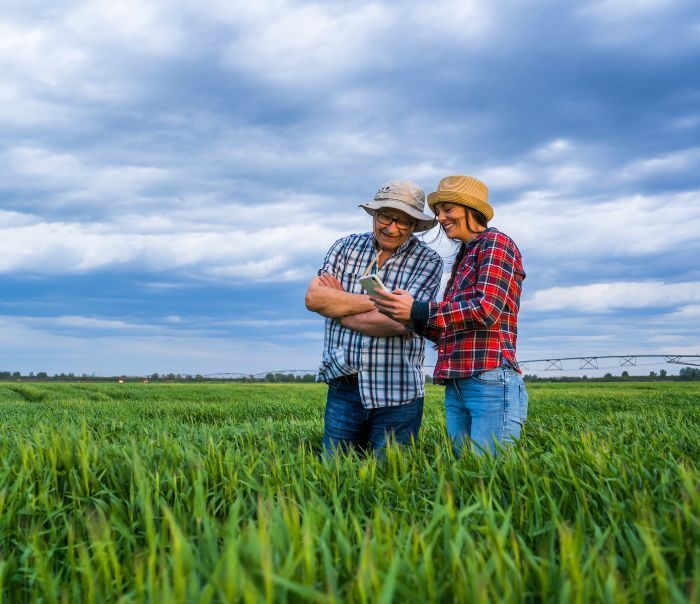

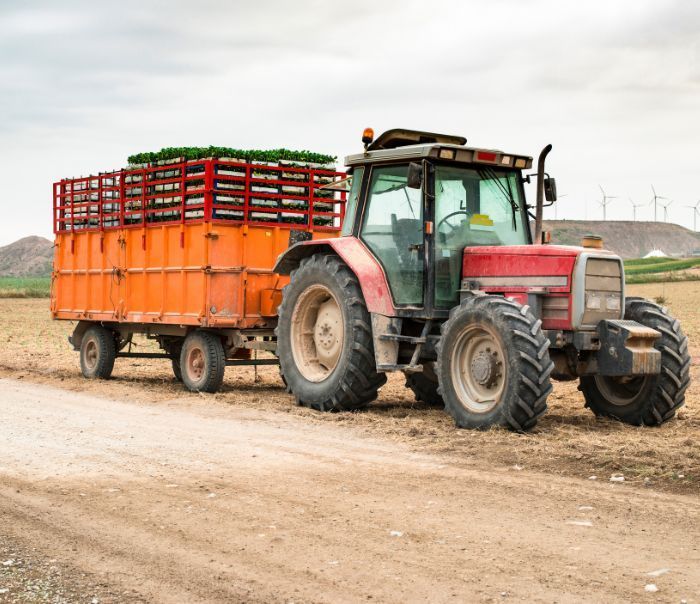
Is Your Farm Truck Covered Off-Road? What Texas Farmers Need to Know About Commercial Auto Insurance
Address
4216 Wesley St.Greenville, TX 75401
Contact Us
info@mfi-services.com
Call Us (903) 551-7903
Agency Hours:
Monday - Friday: 8:00am - 5:00pm
Start Your Insurance Journey with Confidence
Get a Quote from MFI Agency
Protect your farm, ranch, or business today.
Contact Us
Contact Us