


Top 3 Recommended Policies

A major poultry producer in Alabama recently experienced firsthand the challenges and opportunities related to poultry house insurance. With the state standing as the third-largest broiler producer in the United States, valued at $3.85 billion in 2014 USDA statistics, the insurance landscape for growers is both complex and vital. The need for resilient poultry houses and reliable coverage has never been more apparent as industry experts and producers navigate a world of evolving construction standards and severe weather threats.
This comprehensive guide explains the current state of poultry house insurance in Alabama, provides insight into new construction practices, discusses common risks including weather-related events, and gives practical advice for poultry producers seeking to secure meaningful coverage. Each section breaks down important concepts in a straightforward manner, ensuring that producers and stakeholders can make informed decisions about their insurance needs.
Alabama’s Broiler Production Landscape
Alabama’s poultry industry continues to be a significant contributor to the national agricultural economy. As the third-largest broiler producer in the country, the state boasts an industry with billions of dollars in production value. Precise figures, such as the $3.85 billion valuation in 2014, underline the substantial economic impact of poultry production USDA report.
This thriving sector is built on smart investments in technology and infrastructure. Producers have long recognized that the durability of the poultry houses directly affects operational continuity, especially when severe weather events strike. Advances in building techniques ensure that modern poultry houses provide improved safety and longevity. The relationship between robust construction and insurance ease has grown particularly important in recent years, as documented in industry studies and news reports.
Economic risks exist regardless of the strength of physical structures. For example, research shows that up to 40% of chicken growers have experienced a premium increase of 10% or more
Mississippi State study, a figure that underscores the growing concerns around obtaining and maintaining coverage in an industry with high stakes.
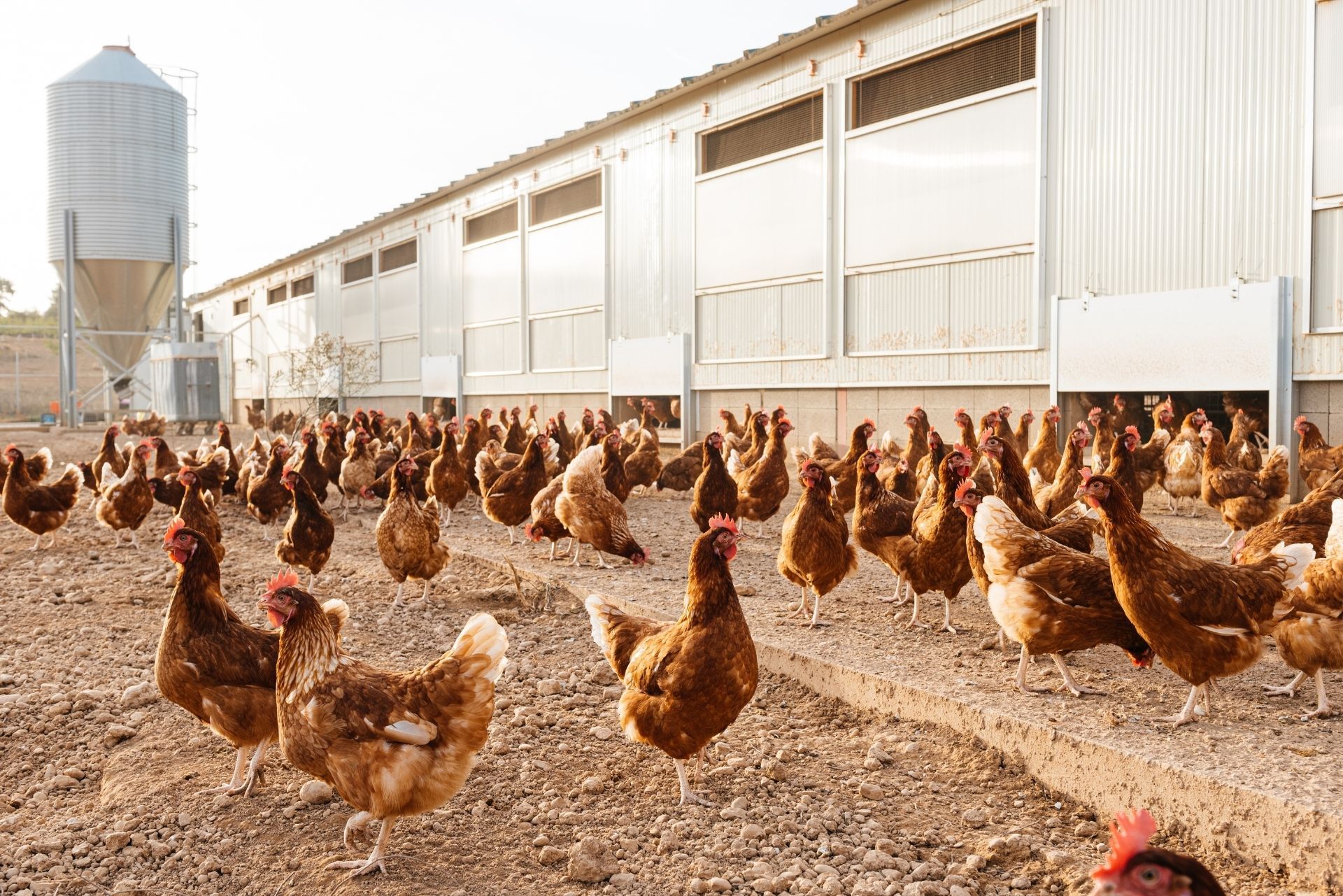
Modern Poultry House Construction Standards
New construction standards for poultry houses are central to the insurance debate. Experts like Rex Seabrook, the manager of farm underwriting for Alfa Insurance, underscore that updated construction standards pave the way for safer and longer-lasting poultry houses. These standards not only benefit growers by minimizing repair costs but also aid insurers in managing and mitigating risk Alfa Insurance.
Building practices have evolved significantly over the years due to advances in construction techniques, enhanced engineering methods, and a more rigorous approach to risk assessment. Modern standards emphasize greater resistance against natural disasters such as high winds, lightning, and heavy rainfall. These improvements are especially valuable in regions like Alabama, which routinely experience severe weather events.
There is an increasing focus on fatigue-resistant materials, proper grounding systems for electrical components, and design modifications tailored to reduce damage during storms. Insurance providers are quick to reward poultry producers whose structures adhere to these fortified standards, often offering discounts or more favorable premium arrangements when a property demonstrates higher resilience.
Resilient Design Pays Dividends
The effectiveness of strengthened design measures is becoming clear. A study conducted in Alabama in 2025 highlighted that homes built to Fortified standards faced significantly fewer and less costly insurance claims during Hurricane Sally Associated Press. These real-world results are increasingly persuasive for both insurers and poultry producers.
This outcome demonstrates that rigorous building codes not only extend the lifespan of structures, but they also bolster financial resilience during unforeseen events. With fewer claims in the aftermath of severe weather, standard adherence remains integral to crafting a dependable agricultural insurance market.
Even beyond the immediate benefits of premium reduction, longstanding structural integrity ensures that operational productivity does not come to an abrupt halt during critical periods. Producers who invest in enhanced building practices are rewarded through consistent operational uptime and reduced overall losses when disaster strikes.
Weather Hazards and Insurance Challenges
Severe weather poses a consistent threat to poultry houses. Historical events, such as the tornadoes of 2011 that led to the loss of 3 million chickens and damaged or destroyed at least 700 poultry houses KPBS Public Media, remind producers of the vulnerability inherent in the industry. These weather events have forced poultry growers to seek insurance arrangements that adequately reflect such risks.
Insurance providers are increasingly scrutinizing damage patterns, attempting to understand and predict the impact of these natural calamities on business continuity. As part of this effort, many insurance companies are actively encouraging improvements in construction standards so that structures are designed to withstand harsh weather conditions.
Lightning damage, particularly, has become a point of focus. Industry reports emphasize that proper grounding systems are crucial in mitigating the risk of electrical hazards and reducing potentiated losses during storms Mississippi Poultry Association. The emphasis now lies not only on minimizing damage but also on establishing a regular maintenance routine and investing in technological improvements that bolster overall safety.
Addressing Claims in the Wake of Storms
Severe weather inevitably leads to a spike in insurance claims. Producers with under-protected facilities may see quick escalations in claim frequency and associated costs. Insurers are thereby driven to enforce upgrades and risk mitigation strategies that have long-term benefits for all parties involved.
For some poultry growers, these weather-induced claims can become a major financial burden, especially when premiums have already increased significantly. Up to 40% of growers have reported premium hikes as high as 10% or more due to these risk factors Mississippi State study.
A proactive approach to risk management includes not only investing in robust construction but also reviewing and updating insurance policies regularly. This ensures that the coverage remains relevant to the changing risk landscape and reflects both modern building standards and the evolving understanding of weather hazards.
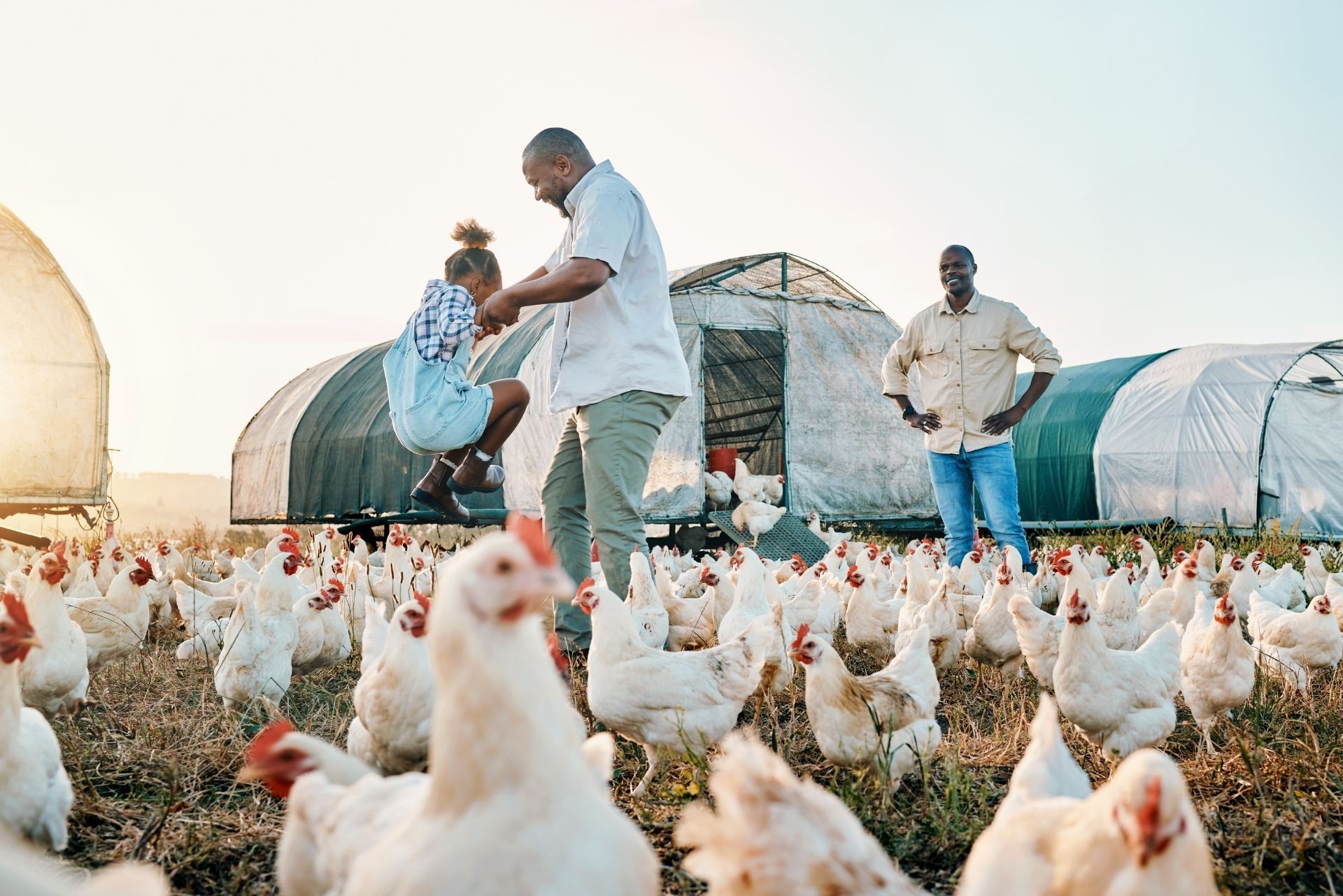
For poultry producers, understanding insurance premiums and available coverage options is crucial. The premium landscape can vary widely based on a range of factors, including location, structural integrity of poultry houses, and historical loss experiences. Talk with your insurer about what factors could influence your rates, as experienced industry professionals note the importance of both quality structures and insurance responsiveness.
Some growers have faced challenges when insurers decide to refuse policies for broiler production altogether. Such instances illustrate the real financial risks these operations face, and reinforce the need for enrollment with insurers who have a strong claims history and are proactive about customer support. Guy Hall, director of the Alabama Farmers Federation’s poultry division, stresses the value of choosing an insurer willing to answer policy questions promptly Alabama Farmers Federation.
Producers are encouraged to compare different policy offers and to look at key metrics, including premium costs, deductibles, and how claims are handled. Experienced producers have found that lower premiums are not always synonymous with strong coverage, a lesson that has resulted in more cautious policy evaluations across the board.
Factors Influencing Premium Adjustments
Insurance premium adjustments have been a hot topic, especially given that many producers are now seeing increases. Risk analysis reports from established institutions like the University of Arkansas highlight that factors such as geographic location and energy costs play significant roles in determining the viability of broiler production University of Arkansas.
Changes in construction standards also impact premium rates. As producers build to higher standards, their facilities become less susceptible to weather-related damage. Consequently, insurers tend to view these operations as lower risk, potentially lowering overall costs. However, this is balanced against the financial realities of high operational risk exposure inherent in the poultry industry.
Insurance providers use a combination of qualitative and quantitative metrics to assess a policy’s risk. Operational history, disaster management practices, and regular updates to insurance policies all influence whether a policy becomes more economical or, conversely, more expensive over time.
Tips for Maximizing Insurance Benefits for Poultry Producers
When it comes to optimizing insurance coverage, poultry producers can take several proactive steps. Detailed documentation of maintenance routines, disaster preparedness plans, and regular upgrades to infrastructure are all key to proving a commitment to reducing risk. A well-documented history will help when negotiating policy renewals or rate adjustments.
Engaging regularly with insurance providers and participating in industry events can help maintain an informed perspective on evolving risks and coverage options. Regular consultations ensure that growers remain aware of the latest standards and technological advances that could benefit their operations.
Communication with insurers is particularly important. Producers must feel empowered to ask tough questions about their policy details and claims history, ensuring they get the best advice for their specific situation. Insurers who have a knack for customer service often provide flexible policy options that help bridge any coverage gaps, ensuring that the producer receives robust protection against natural and operational risks.
Understanding Policy Language and Deductibles
Policy language is often loaded with industry terminology that may seem inscrutable at first glance. Take time to understand every clause within your poultry house insurance policy. Clarifying what is excluded, the limits of coverage, and the deductibles involved is a crucial step toward avoiding unwelcome surprises during a claim.
Comparing deductibles across different policies can offer insight into the actual financial exposure in the event of a claim. A slight difference in deductible terms can significantly influence out-of-pocket costs during stressful times, such as after a major weather event. Producers who invest time in reviewing and understanding their policies build a more secure foundation for their overall risk management strategy.
Where possible, consult with industry experts who can simplify the dense language found in insurance documents. Sometimes a discussion with a trusted advisor can clarify the nuances between basic and extended coverage options.
A clear-cut way to decide on insurance coverage is to compare the policies available. Below is a table that outlines some of the key differences between basic and extended coverage options often available for poultry houses in Alabama. The table covers aspects such as disaster coverage, premium variability, and additional benefits.
| Coverage Aspect | Basic Coverage | Extended Coverage |
|---|---|---|
| Disaster Protection | Covers standard perils like fire and lightning | Includes severe weather events such as tornadoes and hurricanes |
| Premium Adjustments | Subject to routine market changes | May include premium discounts for fortified structures |
| Claims Handling | Standard claim processing times | Priority claims processing for quickly restored operations |
| Additional Benefits | Limited liability for minor damages | Extended liability coverage and risk consulting services |
The table illustrates how extended coverage typically offers more comprehensive protection. For many producers, this approach can translate into tangible benefits during periods of heightened risk, such as severe weather events. Although premiums for extended coverage might be higher initially, the long-term savings on reduced repair and downtime costs can be substantial.
Reviewing the different plans can help producers select the insurance that best aligns with their operational needs. Each policy’s details may differ, so comparing aspects like claim ratios and additional benefits ensures that choices are guided by realistic risk management principles rather than cost alone.
Evaluating the Return on Investment
Producers must weigh the immediate cost of insurance premiums against the potential savings during catastrophic events. Investing in extended coverage with benefits like accelerated claim processing often pays off during major weather events or other unforeseen disasters.
This evaluation requires considering historical data and estimates of potential damage. Alabama’s experiences, such as the losses documented during tornado events in previous years KPBS Public Media, serve as stark reminders of how quickly financial challenges can escalate when proper coverage is lacking.
Many poultry producers view insurance not merely as an expense but as a strategic investment. With the industry’s scale and financial impact in mind, taking a longer-term view can aid in understanding which policy offers the best balance between cost and protection.
Risk Management Strategies Tailored for Poultry Production
Mitigating risk in a high-stakes environment such as poultry production demands a multi-pronged approach. Alongside investing in advanced building standards and ensuring insurance coverage is up to date, producers must adopt several risk management strategies that ensure operational continuity.
Regular audits of facilities and maintenance logs are essential tools for any poultry operation. These audits not only help in reducing the risk of damages but also support claims processes by proving that the operation has taken all necessary steps to mitigate disaster risks. Maintaining clear documentation can ease insurance claim processing, potentially leading to faster recoveries after a loss event.
In addition to structural audits, time-tested practices like diversified energy sourcing and proactive monitoring systems offer further reassurance. These practices are particularly beneficial in scenarios where technical failures or unpredictable weather might otherwise cause abrupt shutdowns. Periodically reviewing and updating these measures is a best practice shared by many industry experts.
Implementing Advanced Technologies
Technological advancements have transformed how risk is managed in poultry production. Sensors that monitor temperature, humidity, and structural integrity empower producers to take immediate corrective actions before minor issues escalate into major losses. These systems function as early warning indicators, ensuring potential hazards are managed proactively.
The integration of these technologies also has the added benefit of bolstering an operation’s claim history. With documented data on timely responses to environmental changes, producers are better positioned to secure favorable terms at renewal time. Such investments in monitoring not only streamline day-to-day operations but also reinforce long-term resilience.
Sophisticated monitoring systems have gradually become a cornerstone of modern poultry management. Their role in minimizing downtime and ensuring animal welfare further underscores their significance in the overall risk management strategy.
Insurance Providers and the Importance of Reliable Partnerships
Choosing the right insurance provider is as critical as the physical protection of poultry houses. Insurance companies with a strong history of handling claims promptly and offering comprehensive coverage are more desirable to producers. These providers understand the intricacies of agricultural risks and can guide producers through complex policy details.
Reliability in an insurer translates into smoother claim processes when the unexpected happens. Guy Hall from the Alabama Farmers Federation emphasizes the importance of transparency and customer service in the relationship between insurers and growers Alabama Farmers Federation. An insurer with responsive support reduces the financial stress during adverse times and helps to rebuild operations faster.
Many producers have learned through experience that early, open communication with their insurance providers yields long-term benefits. Maintaining a productive dialogue ensures that evolving risks and changes in operational methods are reflected in policy updates, keeping coverage relevant and effective over time.
Building Trust with Your Insurer
Sustained relationships with insurers are built on mutual trust. Producers and insurers alike benefit from a transparent communication channel where updates on structural investments, risk management strategies, and claim records are shared. This transparency can lead to more favorable insurance terms, including potential premium reductions over time.
The process of reinforcing this relationship is ongoing. Many insurance providers encourage regular site visits and audits to validate conditions. These visits not only cement trust but also provide valuable feedback on operational improvements that can further reduce the risk and cost of claims.
Establishing such reliable and proactive partnerships can often be the difference between receiving a fair settlement after a disaster and facing prolonged financial strain.
Enhancing Long-Term Viability Through Fortified Structures
The long-term success of poultry operations hinges on investing in construction that is resilient enough to withstand environmental and economic pressures. Studies from Alabama show that homes built to fortified standards have benefited from fewer, less costly insurance claims during major events like Hurricane Sally Associated Press.
This trend underscores a broader move within the industry. Poultry producers are increasingly prioritizing upgrades to facilities - and these upgrades are beginning to pay dividends in reduced claims and more predictable insurance costs. Upfront financial investments in better materials and design are often recouped through enhanced operational stability and lower insurance stress.
Fortified construction not only proves its worth during severe weather events but is also seen as a mark of quality by insurers. In many cases, securing an insurance policy after enhancing structural resilience becomes simpler and more cost effective. The benefits of such investments are evident across the entire value chain of poultry production.
The Future of Poultry House Insurance in Alabama
Looking forward, the interplay of technology, building standards, and insurance coverage is set to transform the way poultry producers manage risk. Increasingly, regulatory bodies and industry associations are pushing for standardized construction practices that cater specifically to the needs of modern poultry operations.
The future may see integrated policies tailored to the unique demands of the agriculture sector, offering not only financial protection but also technical assistance for infrastructure upgrades. The continued evolution of this space promises a safer and more economically stable environment for poultry producers in Alabama and beyond.
As insurance terms continue to adapt to new risks and construction methods, producers who stay informed and engaged will be best positioned to navigate an ever-changing landscape.
Frequently Asked Questions
What factors affect my poultry house insurance premiums?
Premiums are influenced by several factors, including the quality of construction, the location of the facility, historical claim data, and any recent upgrades that reinforce weather resilience. Documentation of maintenance and risk mitigation strategies can help lower premiums.
How do modern construction standards benefit poultry producers?
Updated construction standards improve structural integrity against severe weather and disasters, resulting in fewer claims and lower repair costs. Studies have shown that facilities built to fortified standards see significant benefits during events like hurricanes.
Can technology help reduce insurance claims in poultry operations?
Yes. Advanced monitoring systems and sensors can alert producers to potential issues before they escalate, leading to quicker responses and lower overall damage. This proactive approach often results in reduced claims and better policy terms.
What should I look for when choosing an insurer?
Look for an insurer with a strong claims history, responsive customer service, and flexibility to adapt to the unique needs of poultry production. Transparent communication and regular audits are also key indicators of a reliable provider.
Do fortified standards really lower insurance costs?
Evidence suggests that producers who invest in fortified construction experience fewer and less expensive claims during severe weather, ultimately leading to more competitive insurance premiums.
Is it worthwhile to switch to extended coverage options?
Extended coverage often offers more comprehensive protection against severe events, despite potentially higher initial premiums. The long-term benefits include reduced repair expenses and improved overall resilience of your operation.
Practical Steps to Secure the Best Insurance Coverage
Producers should consider a holistic approach when managing insurance needs. This involves not only comparing different policies but also investing in long-term resilience improvements. Detailed records, proactive maintenance programs, and regular reviews of your coverage ensure that you are prepared when a claim is necessary.
Staying informed about industry trends and participating in local agricultural events can also provide valuable insights into evolving insurance policies. Producers who engage in regular dialogue with both insurers and industry experts tend to secure more favorable terms and enhanced coverage options.
Integrating professional risk management reviews into your regular operations can reveal areas where further investments in infrastructure or technology might reduce future claims. By being proactive, poultry producers can create a win-win scenario where both operational stability and economic viability are achieved.
Steps to Enhance Insurance Readiness
Document improvements meticulously to serve as evidence during claim evaluations. Ensure that all upgrades, from better roofing materials to advanced storm-proofing measures, are recorded with details of costs and installation dates. This record can be invaluable when demonstrating risk mitigation to insurers.
Review policy details with a critical eye. The language in insurance contracts may hide potential gaps that, if left unaddressed, could mean suboptimal coverage during a crisis. Consider independent experts who can clarify the finer points of coverage and suggest improvements in your bid for better rates.
Finally, emphasize open communication with your insurer. Consistent updates regarding changes in the operational environment can foster a stronger relationship and a deeper mutual understanding of risk. This proactive engagement ensures that the coverage remains as dynamic as the industry itself.
Wrapping Up: A Resilient Future for Alabama's Poultry Producers
The journey to secure effective poultry house insurance in Alabama involves understanding the interplay of robust construction standards, advanced technologies, and proactive risk management. Producers who invest in resilient infrastructure are rewarded with more favorable insurance terms and long-term operational stability. The transition toward fortified structures not only reduces immediate repair costs but also fortifies financial resilience against future severe weather events.
Alabama's booming poultry industry exemplifies the need for forward-thinking insurance policies tailored to its unique risk profile. As the industry evolves, both insurers and producers are adapting strategies to minimize risks while maintaining robust coverage. With careful planning, ongoing communication with providers, and a commitment to upgrading structural standards, the future of poultry house insurance in Alabama looks increasingly secure.
For those looking to delve deeper into the financial aspects of poultry house insurance, seasoned professionals recommend continuous review of policy coverage. Engaging with trusted sources and industry experts is essential for staying on top of changing conditions in this dynamic market. Producers are encouraged to keep abreast of developments by consulting resources such as Alfa Insurance and reports from local agricultural institutions.
Final Thoughts
Effective poultry house insurance in Alabama is not simply a protective measure but a strategic investment in long-term operational reliability. With the potential for significant losses during catastrophic weather events, securing robust coverage is essential. By understanding the nuances of modern construction standards, communicating openly with insurers, and investing in proactive risk management, poultry producers can safeguard their livelihoods and secure a brighter future for the entire industry.
This guide aims to provide producers with actionable insights and practical steps necessary for navigating the often-challenging terrain of insurance. The combination of resilient construction practices, advanced risk mitigation technologies, and a sound understanding of policy terms ultimately creates a competitive, secure environment for poultry production in Alabama.
As the sector continues to evolve with the times, embracing these strategies ensures that producers remain agile, well-protected, and ready for whatever challenges may come their way.
Frequently Asked Questions (FAQ) – Final Review
How can I verify that my poultry house meets modern construction standards?
Local agricultural experts and construction consultants can inspect facilities and compare them to the latest fortified building guidelines recommended for poultry production.
What are the benefits of investing in extended coverage?
Extended coverage provides additional protection against severe weather events and natural disasters, with priority claims processing that minimizes downtime.
Is there a cost benefit to upgrading poultry house infrastructure?
Yes. Investing in infrastructure improvements often leads to reduced insurance premiums and fewer costly claims, effectively offsetting the initial expense over time.
How frequently should I review my insurance policy?
It is advisable to review your policy annually or after significant renovations or changes in operational risk-this ensures coverage reflects the current state of your poultry house.
Are there local resources available for risk management strategies?
Local agricultural associations, state-funded institutions, and industry publications offer valuable resources to help producers identify and implement effective risk management measures.
By remaining up-to-date about the intricacies of poultry house insurance and implementing modern practices, Alabama’s poultry producers can secure not only a financially sound operation but also a resilient future for the industry. The information in this article aims to arm producers with the knowledge required to navigate a complex insurance market, ensuring that growth, protection, and prosperity go hand in hand.
About The Author:
Terren Moore

As Owner of MFI Agency, I bring firsthand experience as a farmer and business owner to helping clients protect what matters most. I focus on providing straightforward, dependable insurance solutions for farms, ranches, and commercial operations—built on trust, local values, and a deep understanding of the agricultural community.
Contact Us
Protection Built for Business Operations
Commercial Insurance Solutions
At MFI Agency, we deliver commercial insurance options designed to help businesses stay protected against common risks and unexpected challenges. Our coverages provide financial security so you can focus on growing your operation with confidence.
General Liability Insurance
Protect your business from claims of bodily injury, property damage, and personal injury.
Commercial Auto Insurance
Insure your trucks, trailers, and vehicles used for business purposes.
Commercial Umbrella Insurance
Extend your liability protection beyond the limits of your existing policies.
Excess Liability Insurance
Extra coverage to help protect your business from large, unexpected claims.
Experience and solutions tailored to your field.
Focused Protection for Specialized Industries
Every industry faces unique risks. At MFI Agency, we focus on industries that require specialized knowledge and strategic coverage. From traditional farming to agricultural innovation, we help protect the operations that feed, grow, and build our communities.
Farms
Read More
GET INSURED NOW!Protecting row crop farms, dairies, and aquaculture facilities with tailored insurance solutions.
Ranches
Read More
GET INSURED NOW!Coverage for cattle operations and livestock businesses to safeguard your livelihood.
Ag Suppliers
Read More
GET INSURED NOW!Insurance for feed mills, grain elevators, and input suppliers supporting agriculture.
Food Processors
Read More
GET INSURED NOW!Customized protection for commercial kitchens, processors, and manufacturers.
Food Distributors
Read More
GET INSURED NOW!Coverage for fleets, warehouses, and distribution networks moving products safely.
Retail/Foodservice
Read More
GET INSURED NOW!Insurance solutions for independently owned restaurants, cafes, and small food service operations.
Your Path to Better Protection
How to Get Started with MFI Agency
Getting the right insurance doesn’t have to be complicated. At MFI Agency, we follow a straightforward process to understand your needs and match you with the right coverage. Whether you’re insuring a ranch, agribusiness, or commercial operation, we’re here to guide you every step of the way.
FAQs About Our Services
Answers to Common Insurance Questions
Providing clarity on coverage and policies.
How does equipment breakdown insurance work for farms?
Equipment breakdown insurance provides coverage for unexpected mechanical or electrical failures of essential farm equipment. This includes machinery like irrigation systems, refrigeration units, and milking machines. Such coverage helps mitigate repair or replacement costs that aren't typically covered under standard property insurance.
For instance, if a power surge damages your grain dryer, equipment breakdown insurance can cover the repair expenses and any associated income loss due to downtime. This ensures that your farming operations can resume promptly without significant financial setbacks.
Can I get replacement cost coverage on tractors and farm equipment?
Yes, many insurance providers offer replacement cost coverage for tractors and farm machinery. This type of coverage reimburses you for the cost of replacing damaged equipment with new items of similar kind and quality, without deducting for depreciation.
For example, if your tractor is destroyed in a fire, replacement cost coverage would cover the expense of purchasing a new tractor of comparable specifications. It's important to note that eligibility for this coverage often depends on the age and condition of the equipment.
Do I need farm insurance if I am a hobby farmer?
Absolutely. Even if your farming activities are part-time or not your primary income source, hobby farm insurance is crucial. Standard homeowners insurance policies typically exclude coverage for farming operations, which means structures like barns or equipment like tractors may not be protected.
Hobby farm insurance provides tailored coverage for your unique needs, including protection for outbuildings, equipment, and liability risks. Whether you're selling produce at a local market or simply maintaining a small flock of chickens, this insurance ensures that your assets and activities are adequately covered.
We are licensed in Arkansas, Colorado, Iowa, Kansas, Oklahoma, Tennessee, Texas, Pennsylvania, and Utah.
Helpful Insights for Farmers and Business Owners
Latest Articles from MFI Agency
At MFI Agency, we believe informed clients make better decisions. Our blog shares practical tips on farm and business insurance, industry updates, and strategies to help protect what you’ve built. Whether you're managing crops, equipment, or employees — we’ve got helpful content to guide you.
Is Your Farm Truck Covered Off-Road? What Texas Farmers Need to Know About Commercial Auto Insurance
Address
4216 Wesley St.Greenville, TX 75401
Contact Us
info@mfi-services.com
Call Us (903) 551-7903
Agency Hours:
Monday - Friday: 8:00am - 5:00pm
Start Your Insurance Journey with Confidence
Get a Quote from MFI Agency
Protect your farm, ranch, or business today.
Contact Us
Contact Us