


Top 3 Recommended Policies

A significant investment of time, money, and energy goes into establishing and maintaining poultry farms in Oklahoma. With the poultry sector contributing to job opportunities and rural prosperity, the need for specialized insurance policies becomes clear. Faced with uncertainties ranging from legal challenges to natural disasters, Oklahoma poultry farm owners must consider every possible risk factor while protecting their livelihood. For instance, recent rulings in Delaware County have raised questions about regulatory classifications that impact operations (Oklahoma Voice).
This article explores the complexities of poultry farm insurance in Oklahoma, why it matters, and how you can prepare for a range of risks affecting your operation. The discussion integrates relevant statistics, expert insights, and current trends in the state's agricultural landscape.
Understanding the Basics of Poultry Farm Insurance
Poultry farm insurance is designed to protect farm owners from significant losses that might occur due to a variety of circumstances. These circumstances include property damage, business interruption, liability, and more. In Oklahoma, where a robust poultry industry is part of the agricultural backbone, the need for comprehensive coverage is even more pressing.
Insurance solutions for poultry farms not only cover the physical structures and equipment but also safeguard against operational interruptions. Given that Oklahoma’s broiler production reached 215 million birds in 2023, ranking 13th nationally (Oklahoma Agricultural Statistics Districts), the sheer magnitude and scale of operations highlight the vulnerability to both internal and external risks.
These insurance policies are tailored to address the unique needs of poultry operations. They consider risks such as disease outbreaks, equipment failure, natural disasters, and legal disputes stemming from environmental or regulatory challenges.
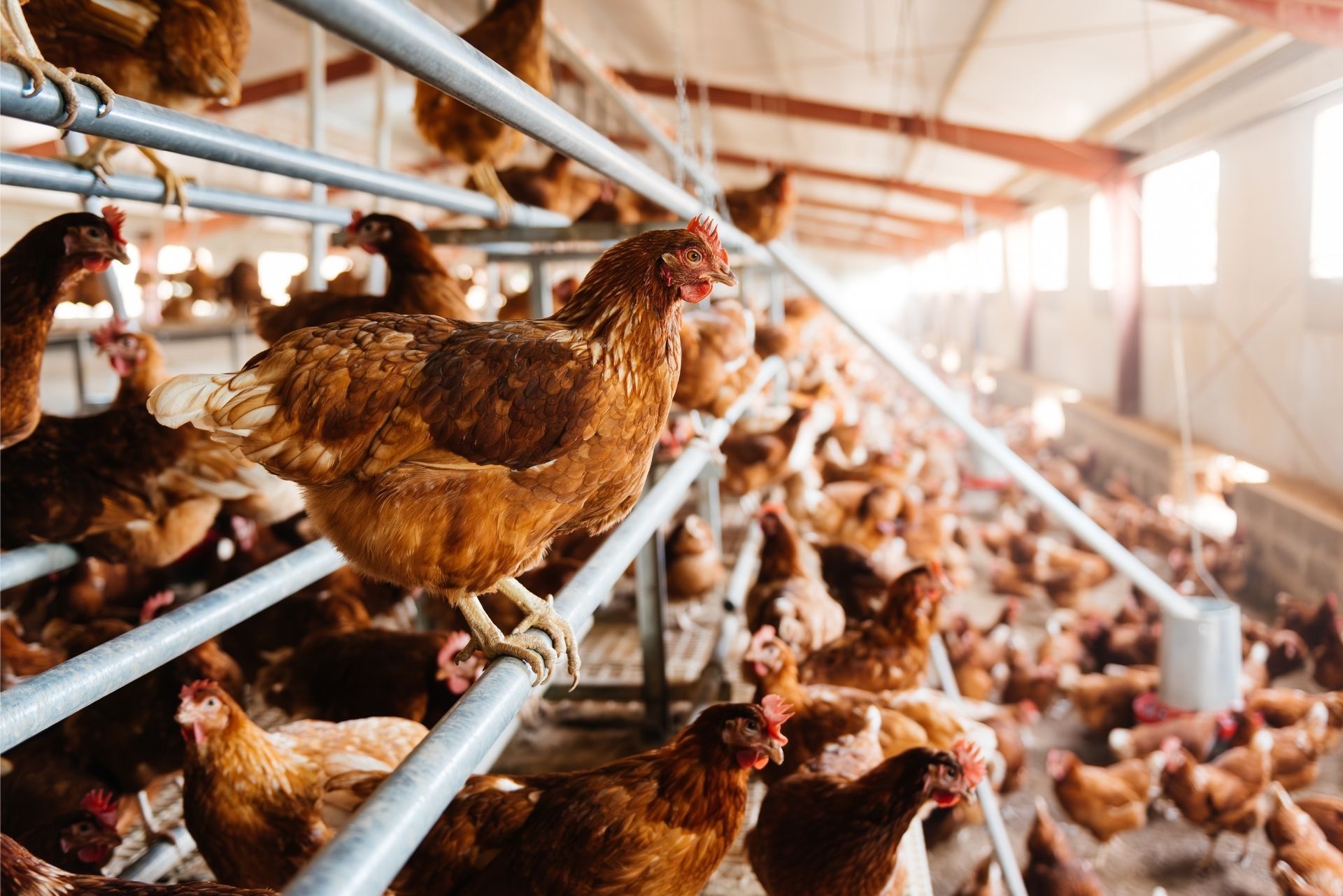
Key Components of a Comprehensive Policy
Insurance policies for poultry farms are not a one-size-fits-all solution. Coverage can vary significantly based on the operation’s size, location, and specific risk profile. A well-rounded policy generally includes property coverage, liability protection, and business interruption coverage. More advanced policies might even cover specific events like disease outbreaks.
Property insurance is essential, particularly in Oklahoma, where severe weather events can pose a threat to farm structures and livestock. Liability coverage, on the other hand, protects operations from claims arising out of accidents or contamination that might affect consumers or neighboring properties.
Business interruption coverage is another critical component, as it covers lost income when a farm is unable to operate due to unforeseen events. This type of protection becomes especially important considering the scale of operations in the state’s poultry sector.
Property Damage and Natural Disasters
Oklahoma’s geographic location exposes agricultural operations to various environmental risks, including tornadoes, hailstorms, and extreme weather conditions. For poultry farms, property damage insurance is a safety net that covers structural damage, equipment loss, and other related expenses.
Farm owners must carefully assess the potential risks in their specific areas. A well-drafted policy will cover everything from damaged housing facilities to losses related to stored feed and equipment required for day-to-day operations. Such coverage ensures that a catastrophic event does not lead to crippling financial losses.
Recovery from natural disasters can be a lengthy and complex process. Therefore, having robust property coverage is critical for keeping the business operational as quickly as possible.
Liability and Environmental Concerns
Liability insurance protects poultry farm owners from lawsuits that could arise due to accidental contamination, environmental damage, or even worker injuries. Recent regulatory challenges have underscored how legal disputes can put additional pressure on already strained resources. For example, a Delaware County District Court ruling in July 2024 found that the Oklahoma Department of Agriculture had misclassified large poultry houses, exposing owners to potential regulatory penalties and environmental lawsuits (Oklahoma Voice).
Liability policies cover legal fees, settlements, and claims related to the operation. Environmental liabilities require extra attention, as they cover scenarios where a poultry farm might inadvertently harm the ecosystem or violate environmental standards. Supply chain disruptions and compliance violations can prove costly if not covered meticulously.
The complexities in regulatory compliance and the increasing focus on the environmental impact of large-scale operations further emphasize the need for specialized policies in the poultry industry.
The Role of Poultry Insurance in Supporting Operations
Insurance plays an essential role in stabilizing and supporting the poultry industry in Oklahoma. With millions of birds raised and processed each year, the stakes are high for both financial returns and job security. The Poultry Federation's 2021 report indicated that Oklahoma raised and processed 197 million broilers, ranking 14th nationally (The Poultry Federation).
For many farm owners, the decision to invest in comprehensive insurance is driven by the unpredictable nature of agricultural production. Whether it’s a sudden outbreak of disease, significant weather disruption, or even a regulatory dispute, insurance can alleviate a great deal of the associated financial risks.
The economic significance of the poultry industry in Oklahoma reaches beyond just the farm level. The industry recorded $853 million in agricultural cash receipts, with the poultry sector making a significant contribution to this figure. The economic security provided by insurance can help maintain stability in rural job markets and ensure continuous growth in agricultural revenues.
Financial Security and Operational Continuity
With the average annual wage in the poultry industry around $60,000, many families depend on this income for their livelihoods (High Plains Journal). Thus, maintaining operational continuity during disruptive events is not just a matter of business survival; it is a matter of real-world consequence for employees and their families.
Comprehensive policies ensure that farms can quickly resume production if an insured incident occurs. Without proper protection, even temporary halts in operation can lead to extended periods of income loss, increased debt, and long-term financial instability. In this context, insurance serves as both a safety net and a tool for sustaining business growth under adverse circumstances.
Farm owners should periodically review their policies. Adjustments may be necessary as the operation grows or as new risks emerge in the dynamic agricultural landscape of Oklahoma.
Supporting Rural Economies
Poultry operations are integral to the rural economy in Oklahoma. The employment and revenue generated from these farms help sustain numerous ancillary businesses and local services. Insurance offers not only stability but also confidence that these operations will continue contributing to rural prosperity even in the face of unforeseen challenges.
With growing consumer demand for fresh chicken and other proteins as shown in a 2024 study by the National Chicken Council and WATT Global Media (Oklahoma's Latest Farm and Ranch News), keeping the production steady and secure is imperative. Insurance underpins this confidence by turning potential catastrophic events into manageable risks.
Moreover, steady insurance coverage ensures that farming communities remain vibrant and resilient, bolstering local economies and supporting a diverse range of related industries.
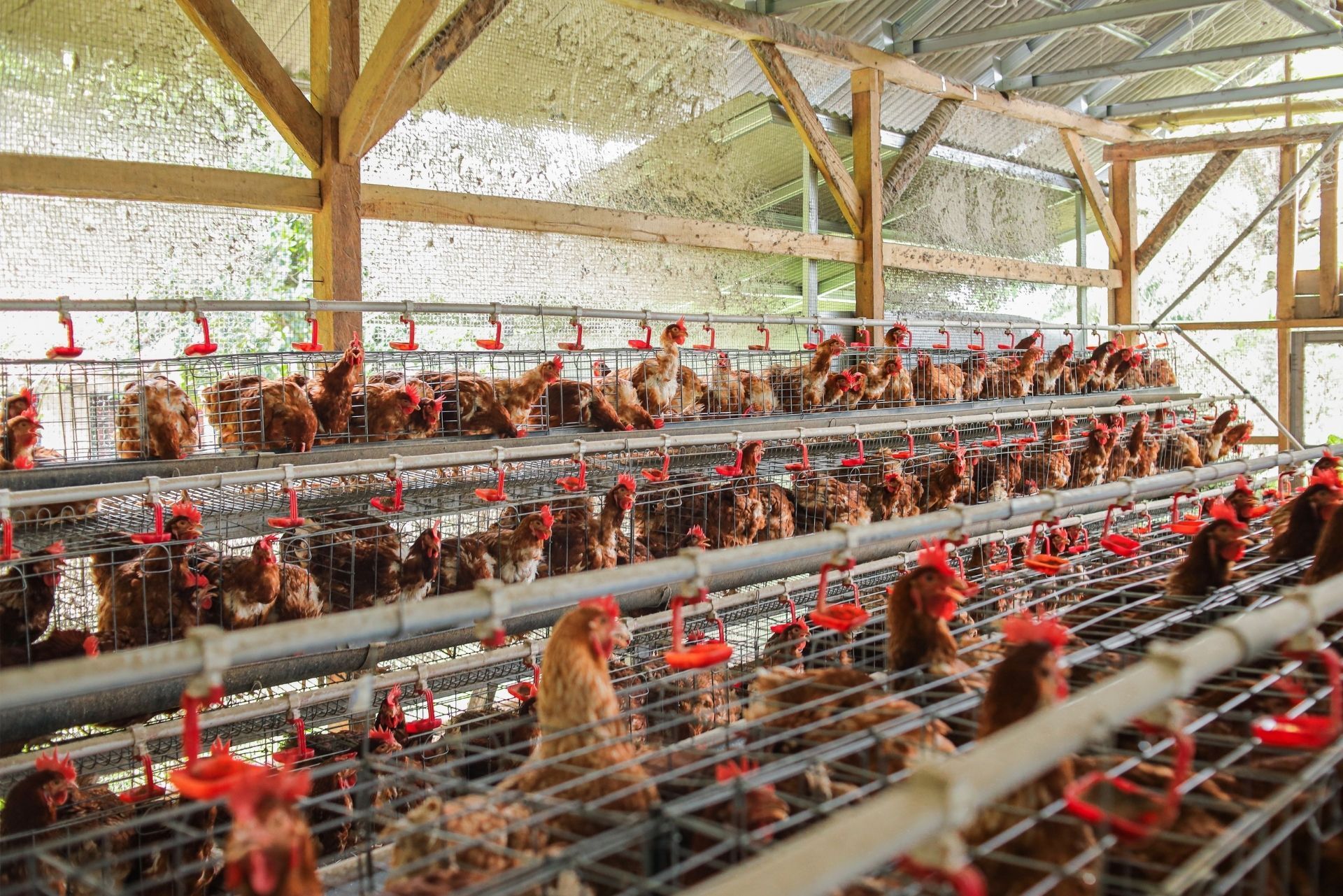
Understanding Risk Management in the Poultry Industry
Risk management for poultry farms involves more than simply buying insurance. It is a comprehensive process that includes identifying potential risks, mitigating them, and planning for swift action should issues arise. The regulatory landscape and environmental factors make risk management a dynamic and ongoing endeavor.
Risk management practices include regular assessments of physical infrastructure, operational protocols, and compliance with state regulations. The recent legal challenge involving the Oklahoma Department of Agriculture and large poultry houses is a reminder that what might seem like routine classifications can have broader impacts on risk exposure (Oklahoma Voice).
Farm owners must maintain a proactive approach by investing in modern facilities, adhering to environmental best practices, and staying informed about changes in agricultural laws that may affect insurance rates and policy requirements.
Identifying Key Risk Factors
Not every risk facing a poultry farm is immediately obvious. Disease control, for example, can be a hidden risk that, if not properly managed, unlocks significant chain reactions affecting both production and regulatory compliance. Owner vigilance in maintaining biosecurity measures is critical to minimizing outbreaks and ensuring that insurance claims remain infrequent and manageable.
Another often overlooked aspect is the evolving regulatory environment. With legal challenges and court rulings bringing new interpretations of existing regulations, farm owners must navigate these complexities while protecting their financial interests. Insurance policies crafted with an understanding of both past trends and future projections offer much-needed assurance in such a landscape.
Understanding these key risk factors is the first step in constructing an effective risk management strategy, which is then reinforced by selecting the right insurance policy.
Preventive Measures and Upgrades
Preventive measures are as valuable as insurance coverage when it comes to managing risks on a poultry farm. Regular equipment maintenance, structural upgrades, and improved biosecurity protocols all contribute to diminished risk exposure. Investing in these preventive measures can reduce the likelihood of incursions that could lead to expensive claims.
For instance, weather risks can be mitigated by reinforcing poultry housing structures to withstand harsh conditions, thereby reducing the need for extensive repairs or even full replacement in the aftermath of a storm. Such practical measures are always worth considering prior to purchasing comprehensive coverage.
This approach allows owners to benefit from lower premiums while ensuring that essential aspects of the operation remain robust against various stress factors. It is a balance between smart insurance choices and vigilant operational upgrades.
Insurance providers offer several products that can be customized for the specific needs of poultry farms in Oklahoma. Options include standard property and liability policies as well as specialized coverages that address unique risks endemic to agriculture. Insurance is not only about mitigating risk-it also allows farm owners to focus on operational growth with a sense of security.
Tailored policies factor in the multiple revenue streams of a poultry operation. In addition to broiler production, many farms also engage in egg production. For example, Oklahoma recorded an impressive 552.9 million eggs in 2023, with each layer producing an average of 236 eggs (Oklahoma Agricultural Statistics Districts). Such multi-dimensional operations require insurance policies that address both production lines adequately.
Providers often bundle multiple coverages into a single policy package to offer a more comprehensive solution. This bundle might include business interruption, environmental liability, and even specialized disease outbreak coverage designed for high-density operations. The customized approach allows farms to select only those components that are most applicable to their specific risk profile.
Comparison Table of Common Coverage Options
| Coverage Type | Description | Benefit |
|---|---|---|
| Property Insurance | Covers damage to buildings, equipment, and stored materials. | Helps rebuild or repair critical infrastructure after damage. |
| Liability Coverage | Covers claims related to bodily injury, property damage, or environmental damage. | Protects against financial losses from lawsuits. |
| Business Interruption | Covers lost income when operations are halted due to unforeseen events. | Enables a faster financial recovery by covering operating expenses. |
| Specialized Outbreak Coverage | Addresses losses arising from disease outbreaks or biosecurity breaches. | Minimizes impact from epidemics impacting poultry production. |
This chart provides a quick comparison of common coverage options available for poultry farms. Each type addresses specific needs and potential losses, allowing farm operators to create a tailored package that maximizes both value and protection.
When choosing an insurance provider, it is necessary to compare policy details carefully. Some policies might offer extra benefits such as risk management consultations or reduced premiums for implementing approved preventive measures.
Evaluating Your Insurance Needs
Before deciding on a policy, poultry farm owners should conduct a thorough self-assessment of their operations. Understanding the unique aspects of each farm can significantly influence which coverage options provide the best return. Factors such as the scale of production, types of birds raised, and the presence of ancillary businesses within the operation are important determinants.
Owners are advised to work with insurance professionals who have expertise in agricultural insurance. Such experts can identify gaps in coverage and suggest policies tailored to meet specific needs. For instance, while larger farms might require extensive environmental and liability protections, smaller family-run operations might benefit more from affordable property and business interruption coverage.
Setting up consultations with industry professionals is a practical step toward developing a comprehensive risk management strategy. Aside from securing financial protection, a well-assessed insurance program contributes to smoother day-to-day operations and increased operational resilience during challenging times.
Utilizing Expert Resources
There are numerous resources available for farm owners looking to upgrade or review their insurance policies. Established industry organizations, such as those represented by the Poultry Federation, provide valuable data and best practices that can influence insurance decisions (The Poultry Federation). These groups regularly publish reports that highlight industry trends and risk factors which can directly affect insurance requirements.
Consulting with professionals who understand both the technical details and the operational challenges of poultry farming can ensure that the coverage is comprehensive. Experts from these organizations often recommend periodic reviews of coverage to adapt to the evolving risk landscape, especially with frequent regulatory changes and market shifts.
Effective communication between the insurance provider and the farm owner is a cornerstone of a successful insurance program. By partnering with knowledgeable experts, poultry farm operators can mitigate risks more efficiently and ensure operational continuity under various circumstances.
Legal and Regulatory Influences on Insurance Policies
Legal and regulatory frameworks play a critical role in shaping insurance policies. In Oklahoma, court rulings and state-level decisions have an important impact on how poultry farms are classified and, consequently, the risk profiles used by insurers. A recent legal ruling involving the misclassification of large poultry houses demonstrated how regulatory scrutiny can alter the landscape for insurance providers (Oklahoma Voice).
Changes in classification may lead to adjustments in premium calculations or shifts in coverage details. Legal disputes surrounding environmental impacts and compliance with state regulations further complicate the risk assessment process for insurers. For instance, challenges debated by representatives such as Matthew Alison emphasize that legal interpretations of environmental regulations require keen attention from both regulators and insurance providers.
The legal landscape is a key element of insurance strategy, prompting farm owners to stay informed on current rulings and potential changes that might affect their coverage and liability exposure.
Navigating Regulatory Changes
As agriculture continues to evolve, recent rulings and regulatory adjustments require that poultry farm owners remain agile and informed. When a legal decision alters classification or operational standards, updates to insurance policies must reflect these changes. Sophisticated insurance policies can adapt to emerging regulatory trends by incorporating flexible terms and conditions focused on long-term risk management.
Farm owners are encouraged to monitor local news and regulatory resources to remain current on legal trends affecting the industry. Proactive engagement with legal advisers and insurance professionals can ensure that the policies purchased today remain robust against future challenges.
This dynamic environment highlights the importance of choosing an insurance provider experienced in agricultural policies, as they are more likely to offer solutions that can adapt to regulatory shifts over time.
Strategies to Lower Insurance Premiums
While comprehensive poultry farm insurance is essential, managing costs without compromising coverage is a common concern. Several strategies can help owners lower premiums while maintaining robust protection. Many insurance providers offer incentives for implementing risk mitigation measures. The process of upgrading facilities, enhancing biosecurity, and investing in modern equipment can not only reduce the probability of claims but also lower routine premium costs.
Farm owners should conduct regular risk assessments alongside their insurance consultants to identify cost-saving opportunities. Smart investments in preventive measures and structural reinforcement often lead to better insurance terms. For instance, reinforcing structures against severe weather can significantly reduce the risk of damage, leading to more favorable premium rates.
Staying engaged with current industry practices and regulatory changes is also crucial. An updated risk profile, reflecting recent improvements in operations, can help demonstrate a reduced likelihood of claims to the insurance provider. This proactive approach frequently results in lower premium adjustments over time.
Bundling and Customizing Coverage
Another way to manage insurance costs is through bundling. Many insurers offer discounts when property, liability, and business interruption coverages are purchased as a package. Tailoring the policy to the specific needs of the poultry operation ensures that all potential risks are covered without paying for unnecessary add-ons.
Providers might also offer premium discounts for farms that meet specific criteria, such as environmental safety standards or improved operational procedures. Taking the time to review the components of each policy and choosing a customizable package can be the most effective way to lower costs without sacrificing quality coverage.
The possibility of bundling can be explored during consultations with insurance professionals who are well-versed in agricultural risks. Engaging in detailed discussions about tailored coverage options ensures that the policies align well with operational realities while keeping costs manageable.
Implementing a Long-Term Risk Management Plan
A comprehensive risk management plan for poultry farms is a living document that evolves with operational changes and industry dynamics. It is an indispensable tool when managing both day-to-day risks and long-term strategic planning. The plan should detail all potential risks, preventive measures, and emergency response strategies, in addition to a solid insurance policy.
Long-term planning often involves periodic updates to the risk management strategy, ensuring alignment with regulatory changes and industry trends. As seen with the evolving legal landscape in Oklahoma, remaining agile in risk management can mean the difference between smooth operations and significant financial disruption.
This long-term approach not only benefits current operations but also helps in scaling up businesses. A robust risk management plan increases the overall resilience of the poultry operation and can lead to constructive dialogue with insurance providers when negotiating policy terms or premium rates.
Steps for an Effective Plan
The first step in implementing an effective risk management plan is to perform a complete review of all current risks. This review should include a detailed inspection of physical assets, operational procedures, and compliance with state regulations. An audit of past incidents provides useful insights into areas of vulnerability.
Next, it is essential to identify implementation mechanisms for preventive measures, such as training sessions for staff, upgrades to poultry houses, or enhanced safety protocols. Taking proactive initiatives not only improves operational efficiency but also builds a case for lower premiums from insurance providers.
Finally, a well-documented plan supports a transparent dialogue with insurers. By demonstrating the effectiveness of risk mitigation strategies, farm owners can negotiate better terms on policy renewals and new coverages.
Frequently Asked Questions
This section addresses common questions poultry farm owners may have regarding insurance coverage and risk management in Oklahoma.
Q: Why is specialized poultry farm insurance necessary?
A: Specialized insurance covers risks unique to poultry farming, including property damage from severe weather, liability for environmental impacts, and interruption of business operations. This targeted coverage is essential given the scale and specific challenges of the poultry industry (Oklahoma Agricultural Statistics Districts).
Q: What risks should Oklahoma poultry farms be most concerned about?
A: Farms should focus on property damage from harsh weather, biosecurity breaches that lead to disease outbreaks, and evolving liability risks from environmental or regulatory challenges.
Q: Can improving farm infrastructure influence insurance premiums?
A: Yes, implementing improvements like reinforced structures and enhanced biosecurity measures can lower risk and may qualify for discounts on premiums.
Q: How often should poultry farm owners review their insurance policies?
A: It is recommended that insurance policies are reviewed annually or following any major operational changes to ensure coverage remains adequate and reflects current risk levels.
Q: Do bundled policies offer a cost-effective solution?
A: Bundling different types of coverage typically provides a more cost-effective solution as insurers often offer discounts when property, liability, and business interruption insurance are purchased together.
Final Considerations for Poultry Farm Insurance in Oklahoma
Insurance is more than just a financial safeguard-it is a strategic tool that underpins the long-term success of poultry operations. In Oklahoma, where the poultry industry contributes hundreds of millions to the state’s agricultural revenues and supports numerous rural jobs, having a well-crafted insurance plan is indispensable.
By incorporating comprehensive risk management practices, staying informed about regulatory changes, and regularly updating their policies, poultry farm owners can build resilience against potential disasters. This proactive approach not only supports the livelihood of farm families but also contributes to the stability of the broader agricultural economy.
The evolving landscape of poultry farming, with its unique challenges and opportunities, demands an insurance strategy that is as dynamic as the industry itself. Stakeholders in Oklahoma continue to adapt and invest in insurance and risk management practices that reflect both current operational realities and future uncertainties. Keeping abreast of insurance trends and consulting with sector-specific experts can ensure that every poultry operation remains robust and profitable even under adverse conditions. For more insights into the interplay between agricultural practices and dynamic insurance needs, industry updates from resources like High Plains Journal can provide valuable perspectives.
Implementing and Maintaining Long-Term Insurance Solutions
Maintaining a strong insurance program involves more than purchasing policies-it includes continuous evaluation, proactive updates to operational protocols, and staying informed about new trends in risk management. Regular dialogue between farm owners and insurance providers can create opportunities for refinement in coverage as new issues emerge.
Reviewing risk management plans on an annual or semi-annual basis ensures that policy provisions remain aligned with the latest operational realities. This periodic review is a critical step in optimizing protections and minimizing premiums for poultry farms.
Establishing a long-term strategy that integrates periodic policy evaluations with proactive risk mitigation measures creates a robust defense against unexpected losses, ultimately contributing to a stable and flourishing poultry industry in Oklahoma.
Updated Policies in a Dynamic Environment
The pace at which legal and environmental factors are shifting makes it essential to view insurance as an evolving element of business strategy. With new rulings and studies continuously emerging, such as the ongoing assessment of consumer behavior trends up to 2035, poultry farm owners must remain adaptable and aware of how these developments might affect their insurance programs (Oklahoma's Latest Farm and Ranch News).
The current legal debates and environmental challenges underscore that a static insurance policy quickly becomes obsolete in the face of new risks. Adjusting coverage based on up-to-date regulatory interpretations and technological advances in agricultural practices is not just advisable-it is necessary.
This responsive approach to insurance policy management ensures that your operation is continuously shielded against emerging threats while remaining competitive in a rapidly evolving market.
Wrapping Things Up
The poultry industry in Oklahoma is a vibrant and complex segment of the state’s agricultural economy. With millions of birds in production and operations contributing more than $853 million in cash receipts, balanced risk management and comprehensive insurance coverage are not mere add-ons-they are essential pillars that support industry stability and growth.
Insurance decisions should be made in an informed and deliberate manner. It is the careful assessment of risk factors-from severe weather patterns to evolving regulatory challenges-that builds a pathway toward operational security. Integrating specialized coverage with proactive risk management strategies makes for a resilient and sustainable business model.
Farm owners are encouraged to consult with experienced insurance professionals and industry experts to tailor policies that meet their unique needs. As the legal, operational, and environmental landscapes continue to evolve, a forward-thinking insurance strategy becomes a decisive factor in ensuring long-term success in Oklahoma’s poultry industry (Oklahoma Agricultural Statistics Districts).
Key Takeaways
The essential points to remember include:
- Specialized poultry farm insurance provides critical coverage against property damage, liability, and business interruption.
- Oklahoma’s dynamic agricultural landscape necessitates a proactive risk management and insurance strategy.
- Regular reassessment and updates to insurance policies are vital due to evolving regulatory and environmental challenges.
- Bundling coverage and making targeted upgrades can lower premiums without sacrificing vital protection.
By carefully evaluating these factors, poultry farm operators can secure their investments and ensure that their business remains resilient even in turbulent times. With the right insurance in place, the future of poultry farming in Oklahoma looks safeguarded for the challenges ahead.
Embracing a comprehensive insurance strategy today not only mitigates potential losses but also contributes to a more stable rural economy, benefiting all stakeholders involved.
About The Author:
Terren Moore

As Owner of MFI Agency, I bring firsthand experience as a farmer and business owner to helping clients protect what matters most. I focus on providing straightforward, dependable insurance solutions for farms, ranches, and commercial operations—built on trust, local values, and a deep understanding of the agricultural community.
Contact Us
Protection Built for Business Operations
Commercial Insurance Solutions
At MFI Agency, we deliver commercial insurance options designed to help businesses stay protected against common risks and unexpected challenges. Our coverages provide financial security so you can focus on growing your operation with confidence.
General Liability Insurance
Protect your business from claims of bodily injury, property damage, and personal injury.
Commercial Auto Insurance
Insure your trucks, trailers, and vehicles used for business purposes.
Commercial Umbrella Insurance
Extend your liability protection beyond the limits of your existing policies.
Excess Liability Insurance
Extra coverage to help protect your business from large, unexpected claims.
Experience and solutions tailored to your field.
Focused Protection for Specialized Industries
Every industry faces unique risks. At MFI Agency, we focus on industries that require specialized knowledge and strategic coverage. From traditional farming to agricultural innovation, we help protect the operations that feed, grow, and build our communities.
Farms
Read More
GET INSURED NOW!Protecting row crop farms, dairies, and aquaculture facilities with tailored insurance solutions.
Ranches
Read More
GET INSURED NOW!Coverage for cattle operations and livestock businesses to safeguard your livelihood.
Ag Suppliers
Read More
GET INSURED NOW!Insurance for feed mills, grain elevators, and input suppliers supporting agriculture.
Food Processors
Read More
GET INSURED NOW!Customized protection for commercial kitchens, processors, and manufacturers.
Food Distributors
Read More
GET INSURED NOW!Coverage for fleets, warehouses, and distribution networks moving products safely.
Retail/Foodservice
Read More
GET INSURED NOW!Insurance solutions for independently owned restaurants, cafes, and small food service operations.
Your Path to Better Protection
How to Get Started with MFI Agency
Getting the right insurance doesn’t have to be complicated. At MFI Agency, we follow a straightforward process to understand your needs and match you with the right coverage. Whether you’re insuring a ranch, agribusiness, or commercial operation, we’re here to guide you every step of the way.
FAQs About Our Services
Answers to Common Insurance Questions
Providing clarity on coverage and policies.
How does equipment breakdown insurance work for farms?
Equipment breakdown insurance provides coverage for unexpected mechanical or electrical failures of essential farm equipment. This includes machinery like irrigation systems, refrigeration units, and milking machines. Such coverage helps mitigate repair or replacement costs that aren't typically covered under standard property insurance.
For instance, if a power surge damages your grain dryer, equipment breakdown insurance can cover the repair expenses and any associated income loss due to downtime. This ensures that your farming operations can resume promptly without significant financial setbacks.
Can I get replacement cost coverage on tractors and farm equipment?
Yes, many insurance providers offer replacement cost coverage for tractors and farm machinery. This type of coverage reimburses you for the cost of replacing damaged equipment with new items of similar kind and quality, without deducting for depreciation.
For example, if your tractor is destroyed in a fire, replacement cost coverage would cover the expense of purchasing a new tractor of comparable specifications. It's important to note that eligibility for this coverage often depends on the age and condition of the equipment.
Do I need farm insurance if I am a hobby farmer?
Absolutely. Even if your farming activities are part-time or not your primary income source, hobby farm insurance is crucial. Standard homeowners insurance policies typically exclude coverage for farming operations, which means structures like barns or equipment like tractors may not be protected.
Hobby farm insurance provides tailored coverage for your unique needs, including protection for outbuildings, equipment, and liability risks. Whether you're selling produce at a local market or simply maintaining a small flock of chickens, this insurance ensures that your assets and activities are adequately covered.
We are licensed in Arkansas, Colorado, Iowa, Kansas, Oklahoma, Tennessee, Texas, Pennsylvania, and Utah.
Helpful Insights for Farmers and Business Owners
Latest Articles from MFI Agency
At MFI Agency, we believe informed clients make better decisions. Our blog shares practical tips on farm and business insurance, industry updates, and strategies to help protect what you’ve built. Whether you're managing crops, equipment, or employees — we’ve got helpful content to guide you.
Is Your Farm Truck Covered Off-Road? What Texas Farmers Need to Know About Commercial Auto Insurance
Address
4216 Wesley St.Greenville, TX 75401
Contact Us
info@mfi-services.com
Call Us (903) 551-7903
Agency Hours:
Monday - Friday: 8:00am - 5:00pm
Start Your Insurance Journey with Confidence
Get a Quote from MFI Agency
Protect your farm, ranch, or business today.
Contact Us
Contact Us