


Top 3 Recommended Policies

A sudden outbreak of avian influenza or unexpected property damage can turn a routine day on the farm into a costly crisis. With Alabama’s poultry industry accounting for a significant portion of the state's economy, understanding the ins and outs of poultry farm insurance is not just a smart move – it's essential. Explore how coverage addresses risks inherent to poultry operations and why tailored policies matter, especially when industry experts highlight the importance of stronger, safer poultry house designs as detailed by farm underwriting managers.
Many farms rely on robust risk management strategies and comprehensive insurance policies that keep business operations afloat even during unforeseen events. This article sheds light on available coverage options, explains risks specific to the Alabama poultry industry, and provides actionable insights from recent developments and expert observations.
Understanding Alabama’s Poultry Industry
Alabama’s poultry industry is a cornerstone of the state’s agricultural output, contributing to both substantial revenue and economic stability. In 2025 alone, the poultry industry pulled in over $15 billion in revenue, accounting for more than 65% of the state’s annual farming revenue and 10% of its entire economy according to the Encyclopedia of Alabama.
This impressive figure highlights both the scale and importance of poultry farming in the region while also emphasizing the complexities associated with insuring such a high-value sector. With millions of dollars tied up in production, ensuring adequate coverage for poultry farms has never been more critical.
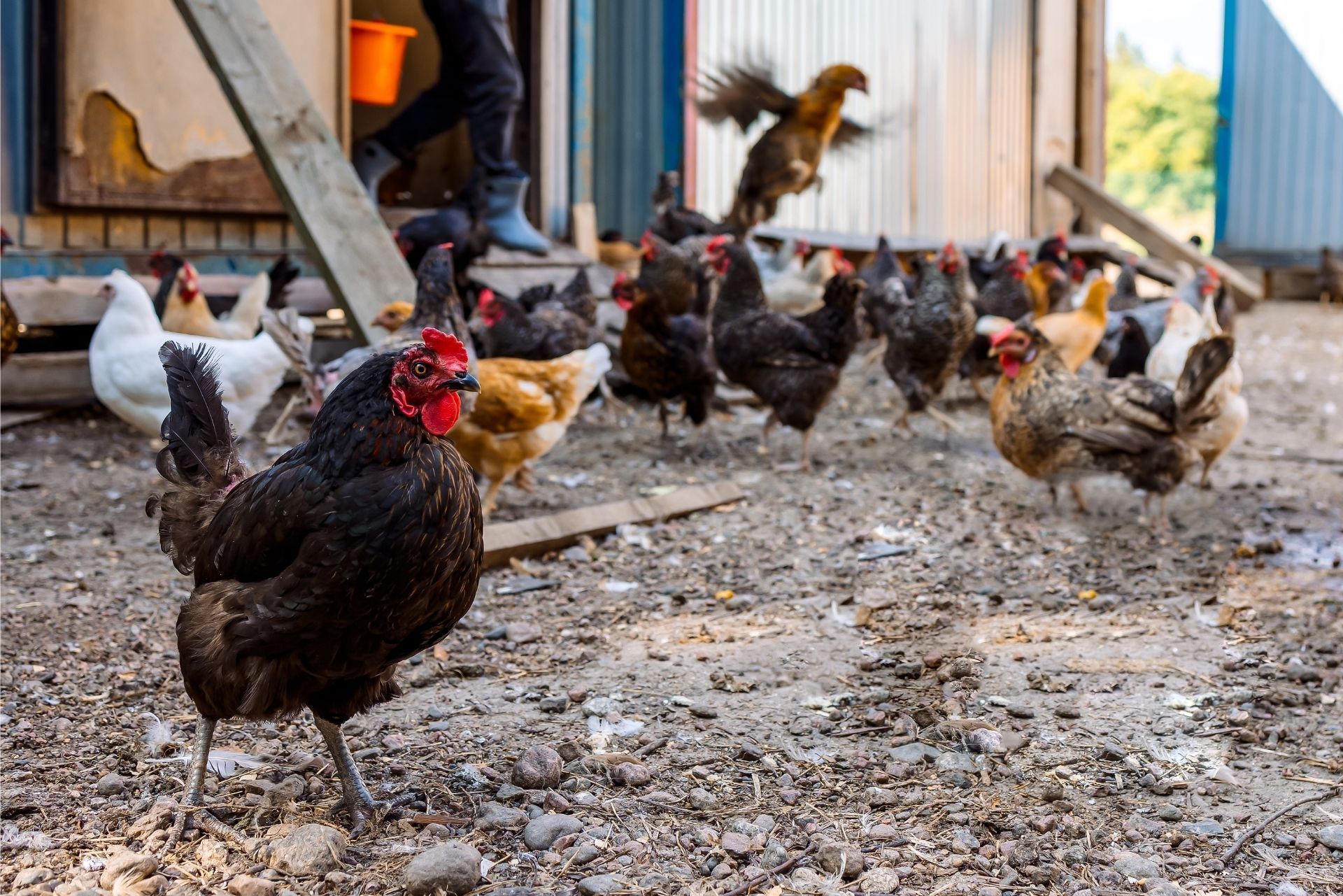
The industry is vast – spanning from broiler chickens to pullet operations and egg production facilities. Each segment bears its own risks, from outbreaks of highly pathogenic avian influenza to fluctuating market prices and natural disasters that could cripple operations.
Why Specialized Insurance is Essential for Poultry Farms
Poultry farm insurance is not a one-size-fits-all policy. It adapts to unique risks associated with housing large flocks, managing equipment, and coping with environmental hazards. Recent changes in construction standards make poultry houses longer-lasting, safer, and stronger – an effort that benefits growers, lenders, integrators, and insurers alike as noted by industry experts.
This customization in coverage is essential when the economic stakes are high. With an average farm loan amount around $550,000 and production values estimated at $4.5 billion in 2025 reported by Farmonaut, there is a clear need for specialized risk management plans that encompass everything from property damage to production losses.
Insurance providers develop specific policies to regulate risk by introducing specialized adjusters for poultry houses and large farm equipment. These dedicated experts help reduce loss ratios while enhancing savings for insurers and policyholders. This dual benefit has revolutionized how risks are managed in Alabama’s poultry sector.
Evaluating the Unique Risks in Poultry Operations
Contagious Diseases and Outbreaks
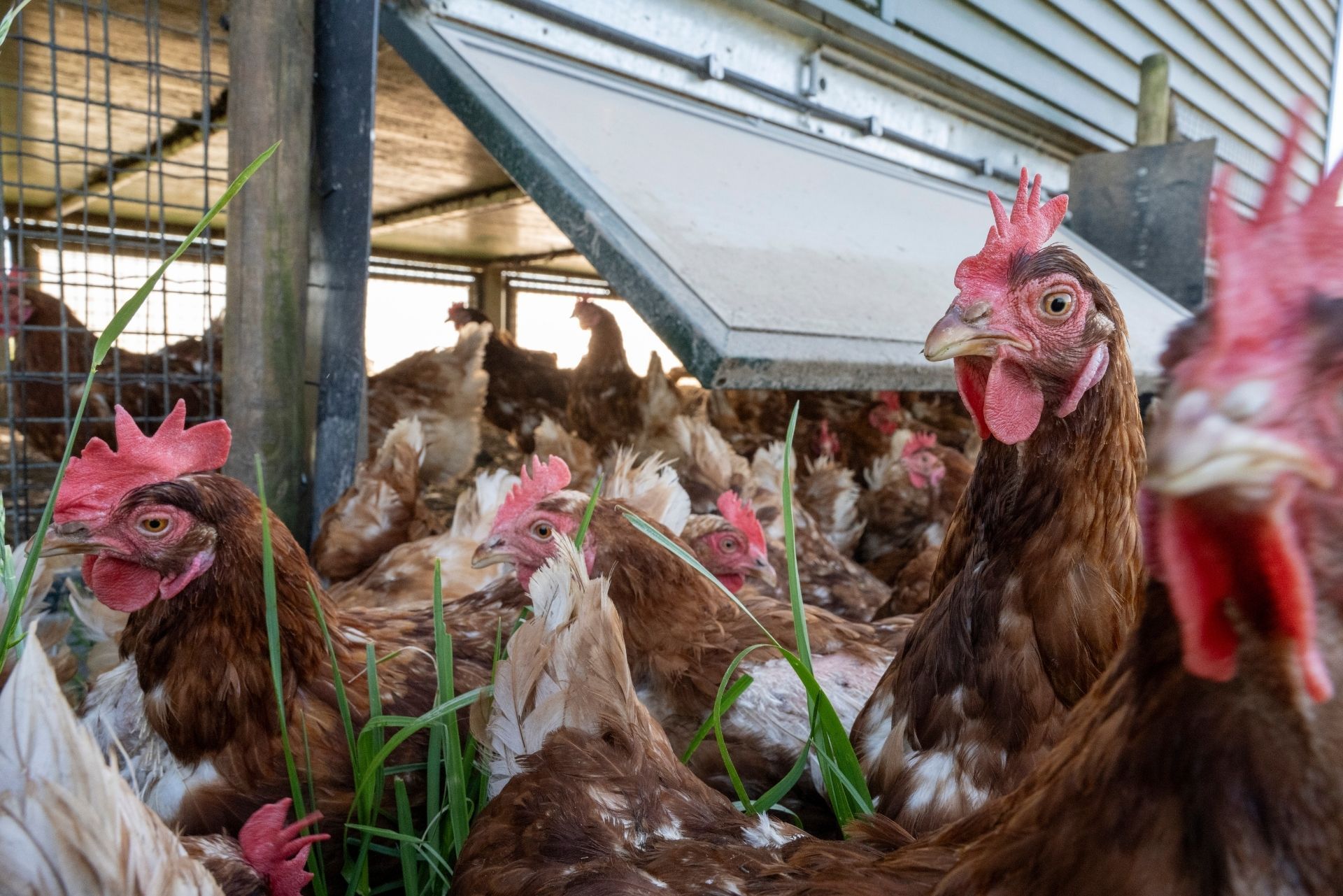
Contagious diseases are an ever-present threat in poultry operations. A recent outbreak of highly pathogenic avian influenza at a commercial pullet farm in Marshall County led to nearly 48,000 chickens being culled according to the Alabama Department of Agriculture & Industries. Such incidents not only devastate flock populations but can quickly wipe out months or even years of financial planning.
Insurance policies designed for poultry operations often include provisions for disease outbreaks, covering both the direct loss of livestock and the subsequent shutdown of production facilities. This coverage is particularly vital in areas where close proximity of flocks can lead to rapid disease spread.
Awareness of local disease trends and the implementation of preventive measures, alongside tailored insurance coverage, provides a safety net that mitigates the financial fallout of an epidemic among flocks.
Property Damage and Structural Risks
Poultry farms depend heavily on well-built structures that can withstand the various stresses associated with their operations. Over time, with the introduction of enhanced construction standards in 2006, poultry houses in Alabama have become more resilient and safer for long-term use as explained by industry experts.
Not only does this strengthen the structural integrity of farm buildings, but it also lowers the risk of property damage claims. However, accidents or natural disasters may still occur, leaving poultry operators vulnerable to unexpected repair bills or replacement costs. Comprehensive insurance policies help bridge this gap by covering damage to buildings, equipment, and often supporting the continuity of business operations.
These policies are structured to respond quickly to incidents and provide rapid financial relief, reducing the potential downtime caused by property damage.
Key Components of Poultry Farm Insurance Policies
Property Coverage
Property coverage is one of the fundamental components of an insurance policy for poultry farms. It typically includes the farm’s physical structures, equipment, and other tangible assets. Since Alabama’s poultry operations contribute significantly to the state’s farm gate sales – with the broiler and egg industry alone accounting for nearly half of the state's $5 billion in annual sales as reported by the USDA – ensuring that these assets are protected is a top priority.
This coverage can be tailored to address various vulnerabilities, including fire damage, windstorms, and water damage. Given the cash flow and frequent loan applications that hinge on property value, the right level of property coverage can make the difference between swift recovery and prolonged financial distress after a disaster.
The resilience of your structures and equipment not only determines the smoothness of daily operations but also influences long-term business sustainability. Insurance that effectively addresses these concerns contributes to a more robust risk management strategy.
Livestock and Production Coverage
Besides protecting tangible assets, poultry farm insurance also covers livestock and production losses. Livestock coverage is crucial because the birds themselves represent an enormous investment. In the event of disease outbreaks or natural calamities, the tangible loss of animals can cripple operations. Advanced coverage options extend to cover losses in production, ensuring that revenue streams are less affected by such disruptions.
Broiler chickens and egg production have distinct market dynamics that require specialized insurance arrangements. Given the high production value of these operations, policies are often customised to ensure that both the animals and the economic output are sufficiently protected.
By working closely with insurance providers experienced in agricultural risks, poultry operators can secure coverage that meets the specific needs of their production processes and livestock, thereby minimizing the financial impact of unforeseen events.
Liability Protection
Liability protection is another pillar of poultry farm insurance. This aspect covers unexpected events that might lead to third-party claims, such as injuries or property damage accidents that occur on a farm. A properly structured liability coverage can serve as a safeguard against lawsuits that might arise from such incidents.
Individual lawsuits and class claims can escalate quickly, making comprehensive liability protection indispensable for large-scale poultry operations. In an industry where both employees and visitors might be present, liability insurance ensures that the farm owner is not left financially exposed in the event of an incident.
Policies may also include coverage for environmental liabilities, which is particularly relevant when managing waste and other hazardous materials that may be part of daily poultry operations.
Risk Management Strategies for Poultry Farms
Effective risk management in poultry farming begins with the development of robust safety protocols. Proactive strategies focus on both preventing incidents and mitigating their impact should they occur. This includes regular maintenance of facilities, strict sanitation practices to prevent disease spread, and the integration of modern construction standards that protect against property damage.
Improved construction practices introduced in 2006 have led to poultry houses that not only meet higher safety standards but also contribute to lower insurance loss ratios as indicated by industry claims experts. This evolution toward stronger, more resilient farm structures significantly reduces the risk associated with property damage and emergency repairs.
Regular risk assessments help identify vulnerabilities. Farmers are encouraged to work closely with insurance professionals to review policies and ensure that coverage levels remain appropriate in the face of evolving risks. This ongoing process supports continuous improvement in risk management efforts.
Insurance and Financial Assistance in the Agriculture Sector
Crop Insurance and Coverage Impact
Beyond direct poultry operation coverage, crop insurance also plays a crucial role in Alabama’s broader agricultural landscape. In 2024, crop insurance protected 1.6 million acres in Alabama, providing $873 million in liability protection, with farmers paying $35 million for this coverage based on statistics from Crop Insurance in America. This type of coverage, while not exclusive to poultry operations, reflects the extensive efforts made to shield the agricultural sector from unexpected financial shocks.
For farms that integrate poultry with crop production, understanding the interplay between different types of insurance policies is critical. Although each policy covers distinct aspects of farm operations, a comprehensive risk management strategy moves beyond isolated policies and adopts a holistic approach. It’s essential that poultry operators stay informed about emerging trends and regulatory changes in agriculture insurance, ensuring their coverage evolves alongside shifting market conditions.
Insurance policies that combine crop and livestock coverage provide a broader safety net that helps farms weather adverse conditions, particularly if multiple sectors experience simultaneous challenges.
Insurance Savings and Reduced Loss Ratios
Adopting specialized insurance programs has offered tangible financial benefits, including noticeable savings and reduced loss ratios. By introducing specialized adjusters for poultry houses and large farm equipment in 2006, firms experienced increased savings and fewer claims as noted by industry leadership. These savings not only stabilize operational expenses but also provide additional financial breathing room for reinvestment in improved farm management practices.
Such efficiencies are essential in a competitive market where margins can be thin. Reduced loss ratios translate to lower premium increases over time, making the overall cost of insurance coverage more predictable for poultry farmers. This stability is particularly important as farms look to secure loans and maintain steady growth amidst economic uncertainties.
The effects of these measures have reinforced the importance of tailored insurance solutions as vital components of risk management that extend far beyond mere compliance.
Coverage Comparison: Tailored Policies Versus General Agriculture Coverage
Understanding the differences between policies geared specifically toward poultry operations and more generic agriculture coverage provides clarity for farmers looking to safeguard their investments. Tailored poultry insurance policies are designed with industry-specific risks in mind. These specialized offerings cover critical elements such as livestock losses, property damage unique to poultry houses, and production interruptions caused by disease outbreaks. General agricultural insurance, on the other hand, may offer broader coverage but can lack the nuance needed to fully address the unique dynamics of poultry farming.
Below is a side-by-side comparison to clarify key differences:
| Coverage Aspect | Poultry-Specific Policy | General Agricultural Policy |
|---|---|---|
| Livestock Protection | Extensive coverage for flock health, disease outbreaks, and loss of production | Basic coverage, may not address species-specific risks |
| Property Damage | Comprehensive coverage for specially constructed poultry houses and equipment | Covers buildings and equipment with standard exclusions |
| Liability Costs | Tailored liability protection for farm-specific activities and visitor risks | General liability coverage with broader, less specific terms |
| Production Losses | Coverage includes interruption of egg or meat production due to disease/outbreak | May only cover significant natural disasters |
This table demonstrates how tailored policies address nuanced risks more effectively than one-size-fits-all solutions. For poultry farmers operating under strict budget constraints or facing unique operational hazards, the enhanced coverage can prove invaluable as part of a long-term risk management strategy.
The tailored approach not only meets the specific needs of poultry operations but also positions farms to better manage their overall risk exposure.
Effective Strategies to Lower Insurance Premiums
Controlling insurance costs is a common challenge for poultry operators. Even with specialized policies, premiums can become burdensome without a proactive approach to risk management. Several strategies have proven effective in lowering overall costs while ensuring strong protection.
One key strategy is the investment in durable, well-constructed poultry houses, which not only enhances farm safety but also contributes to lower loss ratios over time. Upgraded facilities come with the added benefit of satisfying newer industry standards that insurers reward with more favourable premiums as highlighted by Alfa Insurance insights.
Maintaining detailed records of maintenance, repairs, and operational improvements is another critical measure. By documenting ongoing risk reductions, poultry operators can negotiate better terms with insurance providers. Regular safety training for staff and strict adherence to biosecurity protocols further reinforce the farm's risk profile.
Case Studies and Real-World Examples
Real-world examples bring the abstract numbers of insurance policies into stark clarity. Consider the case where a commercial pullet farm in Marshall County had to cull nearly 48,000 chickens due to an avian influenza outbreak as reported by the Alabama Department of Agriculture & Industries. For farms running similar operations, having comprehensive coverage meant that the devastating financial impact of the outbreak could be at least partially mitigated.
Another example involves the implementation of advanced construction standards across poultry houses. With policies adjusted to recognize the reduced risk associated with stronger, safer infrastructure, several operators observed lower insurance premiums and improved financial stability. Such examples reinforce the tangible benefits of investing in risk management measures that align with insurance criteria.
These cases serve as powerful reminders of why tailored insurance policies matter. Not only do they help in navigating day-to-day operations, but they also provide resilience in the face of unexpected events that could significantly disrupt financial performance.
Poultry farm insurance is most effective when integrated within a broader, holistic business strategy. Sound financial management practices, combined with rigorous risk assessments and an in-depth understanding of coverage details, pave the way for a secure future.
Farmers are encouraged to work closely with insurance professionals and financial advisors to ensure that every element of their operations is shielded. This might include periodic reviews of coverage levels, reevaluation of structural risks associated with aging facilities, and adjustments in line with evolving market trends. In this context, policies like crop insurance also complement poultry farm insurance, creating a comprehensive layer of financial protection that supports diversified income streams as evidenced by recent crop insurance statistics.
Strategic alignment between insurance coverage and business planning not only safeguards the farm against unexpected setbacks but also enhances the long-term growth potential by ensuring that adequate capital is available when needed.
The Role of Expert Insight and Industry Updates
Expert insights provide a critical perspective on the constantly evolving risks that poultry farmers face. Industry experts like Rex Seabrook of Alfa Insurance and Robert Godsey, District Claims Manager at Alfa Insurance, continuously highlight how specialized coverage solutions have transformed risk management practices for poultry farms. Their advice and analysis serve as a valuable resource in understanding the benefits that come with specialized adjusters, refined underwriting standards, and improved construction protocols.
For instance, the introduction of specialized adjusters in 2006 helped reduce loss ratios and increased savings for both insurers and policyholders as confirmed by industry reports. These measures underscore the importance of staying updated with new industry practices and policies that influence insurance dynamics.
Regular engagement with industry publications, participation in local farming associations, and consultations with agricultural insurance experts are effective ways to remain informed. This combined approach ensures that poultry farmers not only safeguard their livelihood but also position themselves advantageously in a competitive market.
Frequently Asked Questions
Q: Why is poultry farm insurance different from general farm insurance?
A: Poultry farm insurance is tailored specifically to cover risks unique to poultry operations, such as specific livestock health issues, specialized property standards, and production interruptions that might not be fully addressed by general farm policies.
Q: How do disease outbreaks affect insurance coverage?
A: Policies are designed to address both physical loss and production stoppages during disease outbreaks. Tailored coverage limits can help mitigate significant financial impacts when large portions of flocks are affected.
Q: Can improved construction standards lower my insurance premiums?
A: Yes, investing in updated and safer construction practices has been shown to lower risk factors, which in turn can lead to reduced loss ratios and improved premium terms for poultry farmers.
Q: How do crop and poultry insurance policies interact?
A: While crop insurance protects farm acreage and associated liabilities, poultry insurance focuses on livestock and production-specific risks. Together, they provide a comprehensive safety net for diversified agricultural operations.
Q: What should farmers do to ensure they have adequate coverage?
A: It is important for farmers to conduct regular risk assessments, work with knowledgeable insurance professionals, and stay informed on industry updates to adjust their coverage as needed.
Q: How have specialized adjusters impacted poultry farm insurance?
A: The introduction of specialized adjusters for poultry houses and equipment has significantly reduced loss ratios, leading to better savings and more effective risk management
as reported by industry experts.
What to Remember When Choosing Poultry Farm Insurance in Alabama
Choosing the right insurance policy is a foundational decision for any poultry operation. Understand the unique risks related to the poultry industry, from disease outbreaks and structural vulnerabilities to liability concerns. Detailed policy comparisons can pinpoint the best coverage area for your operation’s needs.
Farmers must also keep in mind that the market evolves with technological advancements and updates in safety standards. Ensuring that both your risk management strategies and insurance policies are flexible enough to adapt to new challenges will always be a wise move.
Regular consultations with insurance experts and industry providers help ensure that coverage remains both comprehensive and cost-effective throughout the life cycle of your operation.
Wrapping Things Up
With Alabama’s poultry industry forming a significant part of the state’s agricultural and economic fabric, the importance of well-tailored insurance policies cannot be overstated. From property damage and livestock loss to liability claims and production outages, the varied risks necessitate specialized coverage.
By investing in updated construction standards and embracing expert advice, poultry operators can secure policies that mitigate financial risks and ensure continuity even in the face of unexpected disruptions. Reliable insurance functions as a safeguard-a foundational pillar that supports both day-to-day operations and long-term strategic growth.
This detailed overview underlines how combining robust risk management strategies with the right insurance coverage empowers poultry farms to thrive in an environment filled with challenges and opportunities alike. Staying informed, engaging with industry updates, and nurturing a proactive approach to both risk and financial management remain keys to success.
Additional Insights and Industry Trends
As the poultry industry continues to evolve alongside innovations in farm management and infrastructure development, insurance providers are adapting their policies to meet emerging needs. Developments in technology, coupled with industry-specific insights, drive the continuous improvement of risk mitigation strategies. These trends often lead to better, more precise coverage options that serve the specific operational realities of poultry farms.
Ongoing adjustments in underwriting protocols and the regular introduction of specialized services underscore the importance of remaining flexible in insurance planning. With over 65% of Alabama's farming revenue coming from poultry operations as reported by the Encyclopedia of Alabama, farmers cannot afford to overlook the evolving dynamics of risk management.
The dialogue between insurers and farm operators is more active than ever, ensuring that policies not only reflect current realities but also anticipate future challenges. By aligning business strategies with proactive insurance measures, poultry operators are better positioned to maintain resilience in uncertain times.
Final Thoughts on Securing Poultry Farm Insurance
Understanding the specifics of poultry farm insurance is crucial for protecting one of Alabama's most essential industries. Detailed policy examination, regular risk assessments, and staying updated with industry innovations pave the way for robust insurance solutions. In a sector where production value, such as an estimated $4.5 billion in 2025 reported by Farmonaut, meets complex operational risks, tailored coverage is indispensable.
Farmers who actively engage with experts, leverage specialized adjusters, and upgrade infrastructure gain not only improved safety but also the peace of mind that comes with comprehensive risk management. Insurance is not a mere formality; it is an integral part of sustaining economic growth and operational stability.
By integrating advanced risk management practices with well-structured policies, poultry farms can focus on what they do best – producing quality poultry products – while having the financial support needed to navigate unexpected challenges. This approach makes it possible for operators to manage both daily operations and long-term prospects with confidence and clarity.
About The Author:
Terren Moore

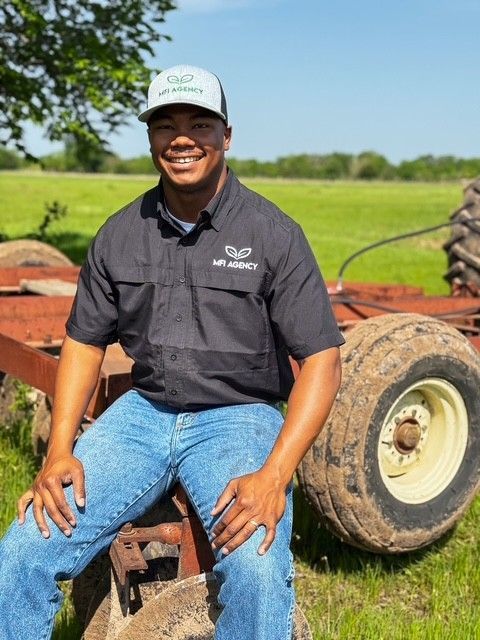
As Owner of MFI Agency, I bring firsthand experience as a farmer and business owner to helping clients protect what matters most. I focus on providing straightforward, dependable insurance solutions for farms, ranches, and commercial operations—built on trust, local values, and a deep understanding of the agricultural community.
Contact Us
Protection Built for Business Operations
Commercial Insurance Solutions
At MFI Agency, we deliver commercial insurance options designed to help businesses stay protected against common risks and unexpected challenges. Our coverages provide financial security so you can focus on growing your operation with confidence.
General Liability Insurance
Protect your business from claims of bodily injury, property damage, and personal injury.
Commercial Auto Insurance
Insure your trucks, trailers, and vehicles used for business purposes.
Commercial Umbrella Insurance
Extend your liability protection beyond the limits of your existing policies.
Excess Liability Insurance
Extra coverage to help protect your business from large, unexpected claims.
Experience and solutions tailored to your field.
Focused Protection for Specialized Industries
Every industry faces unique risks. At MFI Agency, we focus on industries that require specialized knowledge and strategic coverage. From traditional farming to agricultural innovation, we help protect the operations that feed, grow, and build our communities.
Farms
Read More
GET INSURED NOW!Protecting row crop farms, dairies, and aquaculture facilities with tailored insurance solutions.
Ranches
Read More
GET INSURED NOW!Coverage for cattle operations and livestock businesses to safeguard your livelihood.
Ag Suppliers
Read More
GET INSURED NOW!Insurance for feed mills, grain elevators, and input suppliers supporting agriculture.
Food Processors
Read More
GET INSURED NOW!Customized protection for commercial kitchens, processors, and manufacturers.
Food Distributors
Read More
GET INSURED NOW!Coverage for fleets, warehouses, and distribution networks moving products safely.
Retail/Foodservice
Read More
GET INSURED NOW!Insurance solutions for independently owned restaurants, cafes, and small food service operations.
Your Path to Better Protection
How to Get Started with MFI Agency
Getting the right insurance doesn’t have to be complicated. At MFI Agency, we follow a straightforward process to understand your needs and match you with the right coverage. Whether you’re insuring a ranch, agribusiness, or commercial operation, we’re here to guide you every step of the way.
FAQs About Our Services
Answers to Common Insurance Questions
Providing clarity on coverage and policies.
How does equipment breakdown insurance work for farms?
Equipment breakdown insurance provides coverage for unexpected mechanical or electrical failures of essential farm equipment. This includes machinery like irrigation systems, refrigeration units, and milking machines. Such coverage helps mitigate repair or replacement costs that aren't typically covered under standard property insurance.
For instance, if a power surge damages your grain dryer, equipment breakdown insurance can cover the repair expenses and any associated income loss due to downtime. This ensures that your farming operations can resume promptly without significant financial setbacks.
Can I get replacement cost coverage on tractors and farm equipment?
Yes, many insurance providers offer replacement cost coverage for tractors and farm machinery. This type of coverage reimburses you for the cost of replacing damaged equipment with new items of similar kind and quality, without deducting for depreciation.
For example, if your tractor is destroyed in a fire, replacement cost coverage would cover the expense of purchasing a new tractor of comparable specifications. It's important to note that eligibility for this coverage often depends on the age and condition of the equipment.
Do I need farm insurance if I am a hobby farmer?
Absolutely. Even if your farming activities are part-time or not your primary income source, hobby farm insurance is crucial. Standard homeowners insurance policies typically exclude coverage for farming operations, which means structures like barns or equipment like tractors may not be protected.
Hobby farm insurance provides tailored coverage for your unique needs, including protection for outbuildings, equipment, and liability risks. Whether you're selling produce at a local market or simply maintaining a small flock of chickens, this insurance ensures that your assets and activities are adequately covered.
We are licensed in Arkansas, Colorado, Iowa, Kansas, Oklahoma, Tennessee, Texas, Pennsylvania, and Utah.
Helpful Insights for Farmers and Business Owners
Latest Articles from MFI Agency
At MFI Agency, we believe informed clients make better decisions. Our blog shares practical tips on farm and business insurance, industry updates, and strategies to help protect what you’ve built. Whether you're managing crops, equipment, or employees — we’ve got helpful content to guide you.

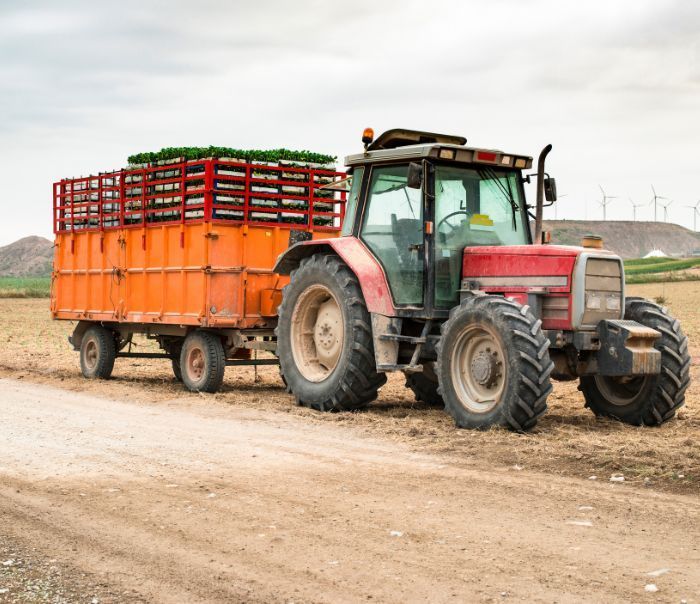
Is Your Farm Truck Covered Off-Road? What Texas Farmers Need to Know About Commercial Auto Insurance
Address
4216 Wesley St.Greenville, TX 75401
Contact Us
info@mfi-services.com
Call Us (903) 551-7903
Agency Hours:
Monday - Friday: 8:00am - 5:00pm
Start Your Insurance Journey with Confidence
Get a Quote from MFI Agency
Protect your farm, ranch, or business today.
Contact Us
Contact Us