


Top 3 Recommended Policies

A busy poultry operation in North Carolina can quickly become overwhelming not only due to the scale of animal production but also due to the unique risks faced by these farms. With nearly 357 million chickens and turkeys housed in state operations in 2022 (North Carolina's poultry industry surges), understanding the nuances of poultry farm insurance is essential for any operator. The insurance landscape here is shaped by both the impressive economic contributions of the sector and the inherent hazards of large-scale agriculture.
The unique challenges of poultry farming demand tailored insurance approaches. As many farm owners know, protecting assets in an industry that contributes billions to the state’s economy calls for more than the usual coverage. This article offers an in-depth look at what poultry farm insurance in North Carolina should cover and why it’s so important.
Whether you oversee a modest operation or manage one of the many expansive poultry farms, gaining clarity on these insurance policies will help secure your financial future. Insurance is a critical component in managing the risks of disease, accidents, and natural catastrophes that can impact the day-to-day running of a poultry business.
Understanding North Carolina’s Poultry Industry
North Carolina's poultry industry plays an extraordinary role in the state’s economy, with revenues surpassing billions each year. Farm cash receipts from poultry alone account for more than half of North Carolina’s total, reflecting an industry that contributes over $8 billion (NC Poultry - Impact). This level of productivity underscores the importance of having suitable insurance coverage in place to mitigate operational risks.
Substantial growth in operations over recent years, including a 43% increase in the number of birds since 2007, highlights the dynamic nature of the sector. Such rapid expansion naturally drives the evolution of the regulatory and risk management landscape. Operators must stay ahead of developing industry trends and be aware of the risks associated with large scale agricultural production.
Efficient risk management strategies and reliable insurance products go hand in hand with the sustained growth of this industry. Keeping your assets, personnel, and livestock fully protected is not just a regulatory need-it is a corne
The Importance of Specialized Poultry Farm Insurance
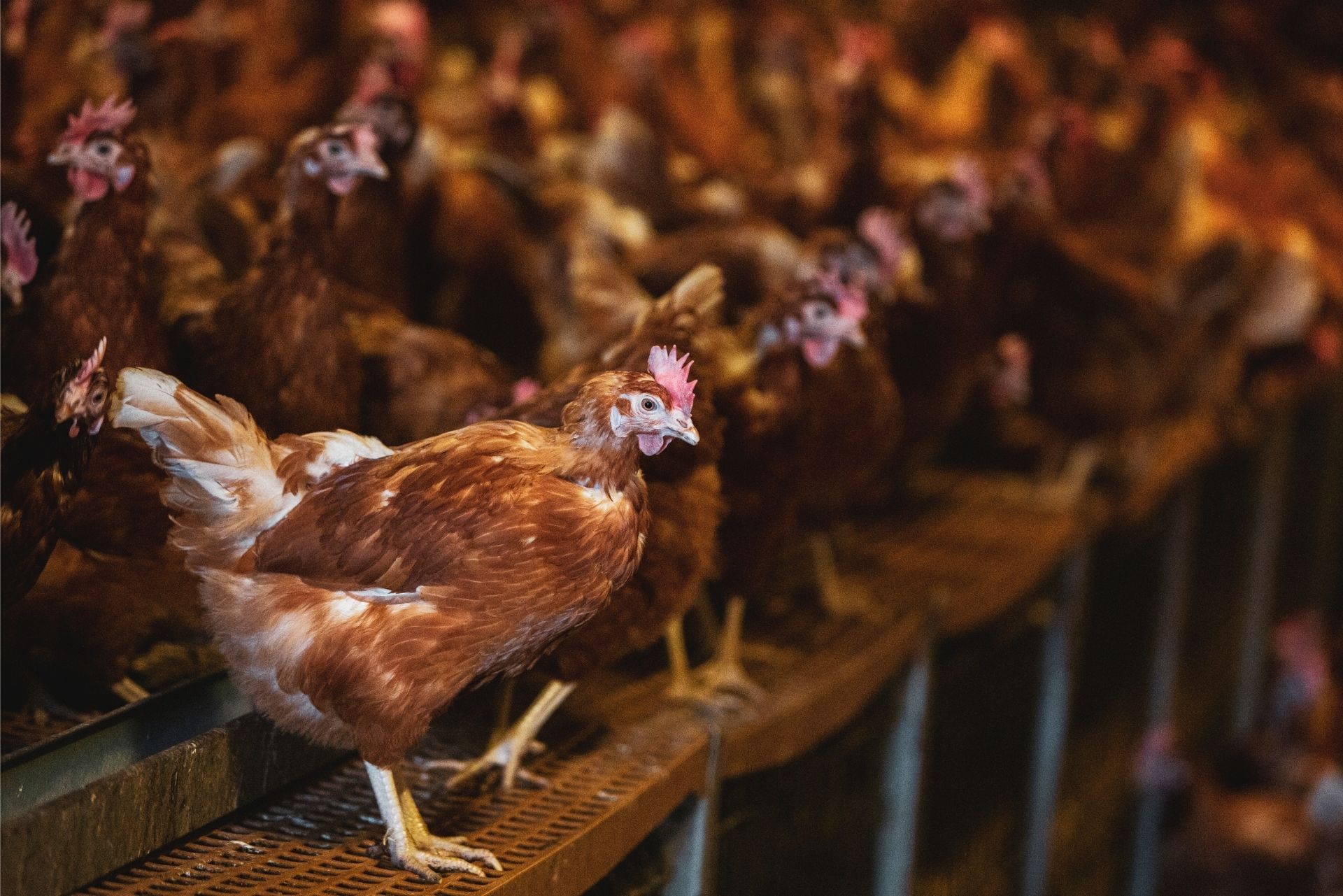
Standard farm insurance might not suffice when it comes to the complexities of a poultry operation. Poultry farms face unique risks, from disease outbreaks like avian influenza to environmental hazards created by high-density animal production. The wider implications include risks affecting both public health and the environment, especially when large numbers of birds are involved (North Carolina's poultry industry surges).
Comprehensive poultry farm insurance policies are designed to address these risks. They can include coverage for property damage, loss of income, and even liability for environmental impacts. With poultry contributing significantly to the state’s economy-over $39.7 billion in total economic impact (2024 MEMBERSHIP PACKET)-farmers need to ensure that the insurance policy they choose understands the specific requirements of their business.
The tailored nature of this insurance helps cover losses that standard policies might exclude. This specialized approach minimizes financial shocks and safeguards operational continuity in the event of unexpected disruptions.
Key Aspects to Consider in Poultry Farm Insurance
Property and Equipment Coverage
Equipment and property on poultry farms can be under constant threat from a variety of hazards. From fire to structural failures, these risks can have devastating financial consequences. Insuring these assets ensures that operational capabilities can be quickly restored when damage occurs.
Farm owners should consider coverage for barns, processing facilities, storage units, and other vital structures. Equipment, including feeders, climate control systems, and machinery used in egg collection or cleaning, should also be insured.
This coverage is crucial as it helps manage the capital expenditure needed for rebuilding or replacing items that are lost due to unforeseen events.
Livestock Protection and Disease Coverage
The poultry sector’s exposure to diseases such as avian influenza means that livestock protection is critical. Insurance plans that offer disease coverage can provide compensation for large-scale losses if a disease outbreak occurs.
When poultry farms experience disease incidents, the financial burden of restocking, decontamination, and potential downtime can be severe. Well-structured insurance coverage ensures that such losses do not ruin the financial stability of the farm.
Insurance products in this category are often customized to reflect the scale and type of livestock on the farm, providing a safety net that standard policies may not accommodate.
Liability and Environmental Risks
With poultry farms sometimes impacting local environmental and public health conditions, liability insurance is increasingly important. Environmental claims can arise from waste management issues or contamination, affecting local water sources and ecosystems.
Farmers must have a plan to tackle liabilities related to accidental spills, runoff, or other issues that may occur due to high-density production. Liability coverage often extends to protect against lawsuits, offering both legal and financial support during such contingencies.
This type of coverage not only protects the farm itself but also secures the community and workers involved in the operation.
Common Risks Faced by Poultry Farms in North Carolina
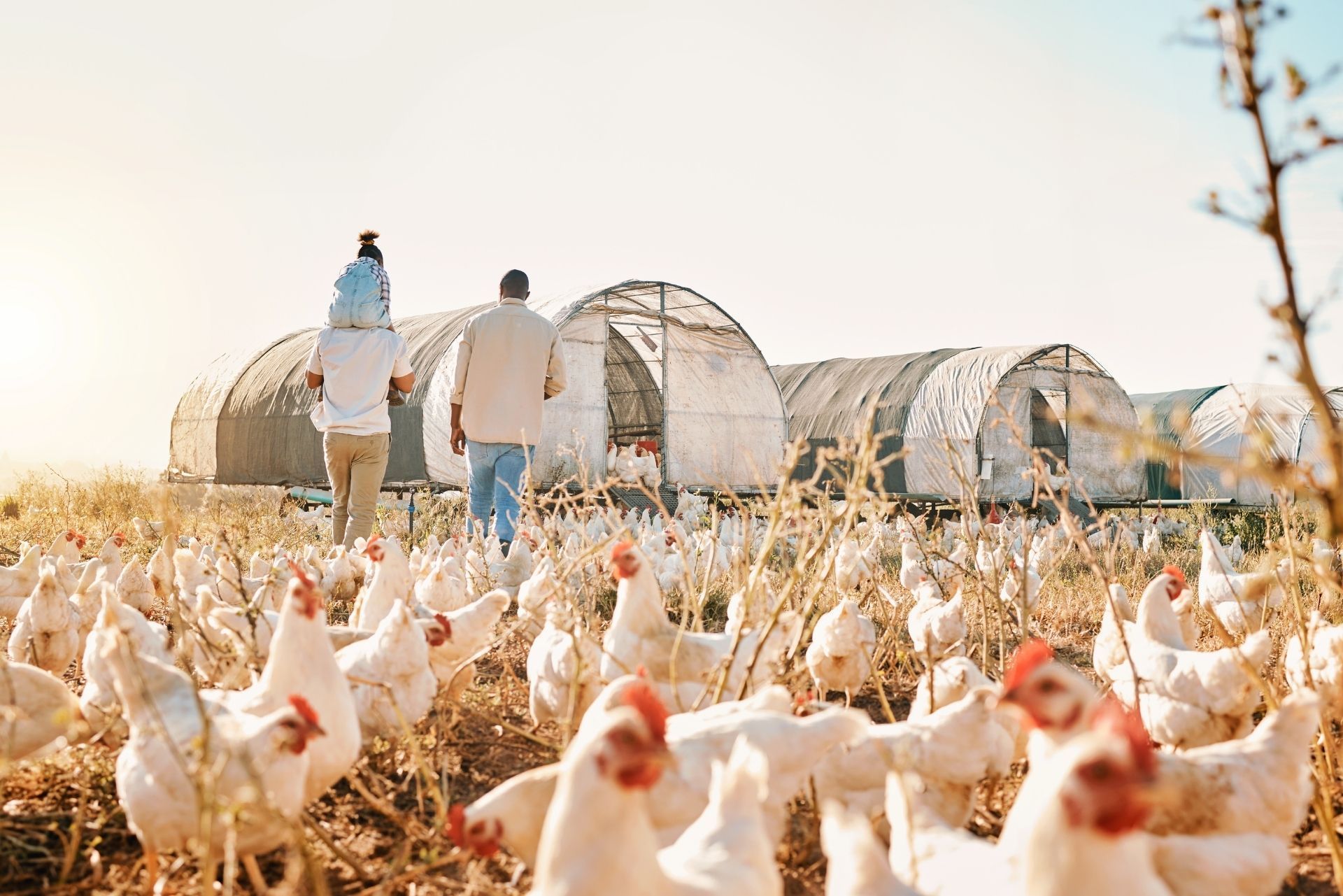
The operating environment of poultry farms in North Carolina introduces several kinds of risks, from natural disasters to disease outbreaks. Each risk carries both immediate and long-term consequences.
Farms are often at risk from weather-related events. Hurricanes, heavy rains, and high winds can destroy structures and disrupt normal operations. While these natural events are unpredictable, an insurance policy tailored to the needs of a poultry operation can help cover the associated costs.
Biosecurity breaches and disease outbreaks present another layer of risk. They may lead to mass culling and affect the farm's ability to produce in a timely manner. The cost of dealing with infectious diseases may be staggeringly high, which is why timely and adequate insurance is vital.
Types of Coverage Offered by Poultry Farm Insurance
General Liability Insurance
This insurance covers theft, vandalism, and bodily injury claims arising from on-site accidents. Given that poultry operations are large scale and inherently high-risk environments, owners must ensure that liability issues are well managed.
General liability becomes particularly crucial if there is any public access on the premises for tours or if external service providers are involved. It serves to protect against claims that could arise from any workplace accident or visitor injury.
The scope of coverage extends to legal defense costs, ensuring that even the procedural aspects of liability are financially cushioned.
Property and Business Interruption Insurance
Property insurance is key in covering the physical structures and equipment of a poultry operation. This insurance can pay for rebuilding, repairs, and replacing essential machinery and facilities should they be damaged by fire, flood, or other approved perils.
Alongside property protection, business interruption insurance plays a vital role. It provides income replacement if a disaster causes a temporary cessation of operations. Given that poultry contributes significantly to North Carolina's farm cash receipts, this type of coverage is increasingly relevant to ensure that cash flow remains stable during major disruptions (NC Poultry - Impact).
Business interruption coverage can help manage fixed costs and payroll obligations until operations resume normally.
Equipment and Machinery Breakdown Insurance
This specialized coverage helps alleviate the financial burden associated with equipment malfunction or breakdowns. From refrigeration systems that store perishable products to climate control systems ensuring optimal conditions for poultry, these assets are critical for daily operations.
Replacement or repair costs for heavy machinery can put undue pressure on cash flow. With appropriate coverage, a farmer can quickly offset the expenses of getting essential equipment back up and running.
The continuous operation of the farm depends on this type of insurance because downtime for repairs can lead to a significant loss of revenue.
How to Choose the Right Insurance Policy for Your Poultry Farm
Selecting the right insurance plan involves careful consideration of several factors: the farm’s size, its asset value, specific liabilities, and the scope of its operations. When evaluating policies, it is important to work closely with an insurance professional who understands the nuances of the poultry industry.
Operators should compare policy details from multiple providers, ensuring that the potential gaps in coverage are identified early. A well-structured policy is one that not only covers property and liability but also integrates business interruption and equipment breakdown coverage.
Insurance providers that specialize in agricultural insurance often offer flexible packages designed specifically for poultry operators. Emphasizing tailored coverage ensures that unique risks-from disease outbreaks to environmental liability-are adequately managed.
Economic Impact and Its Implications on Premiums and Coverage
The enormous economic influence of poultry farming in North Carolina has a dual effect. On one hand, thriving agricultural production increases demand for more comprehensive insurance policies. On the other, large-scale operations contribute billions to the local economy, making it imperative that insurance premiums are balanced with adequate coverage. With the industry's total economic impact reaching approximately $34.4 billion (Farm Facts About Chickens), insurers must evaluate risks with precision.
This evaluation influences the structure of premiums, often making it more cost-effective for larger operations to benefit from economies of scale. At the same time, increased risks inherent in massive production necessitate thoughtful assessments when designing premium schedules. Such detailed analyses ensure that coverage meets both the industry's demands and the operational realities of running a poultry operation.
Dynamic market conditions, coupled with regional trends in insurance claims, often lead insurers to adjust coverage terms. Documented surges in poultry operations over the past decade have prompted many insurance companies to update policies so that they remain both competitive and comprehensive.
Comparative Coverage Table for Optimal Decision Making
The following table provides a side-by-side comparison of key coverage options available to poultry operations. This comparison should help illuminate which policies align best with specific operational needs:
| Coverage Type | Key Benefits | Typical Claims Covered |
|---|---|---|
| General Liability | Covers bodily injury, property damage, legal defense costs | Visitor injuries, on-site accidents, vandalism |
| Property Insurance | Covers physical structures and equipment quipment | Fire, flood, wind damage to buildings and machinery |
| Business Interruption | Income replacement for downtime | Loss of revenue due to natural disasters or system failuresecific terms |
| Equipment Breakdown | Covers repair or replacement of crucial machinery | Mechanical failure of refrigeration, climate control systems |
| Livestock Protection | Coverage for disease and outbreak-related losses | Mass culling, disease outbreaks such as avian influenza |
This table draws attention to the various facets of poultry farm insurance. It is important to note that while one policy might be ideal for one operation, another may be better suited for a different scale or focus.
Regulatory and Compliance Considerations
Regulations affecting livestock farming and environmental standards are continually evolving in North Carolina. Regulatory bodies work to ensure that poultry farms minimize environmental impact while maintaining high standards of animal welfare.
Compliance with these standards is not only a legal requirement but also a prerequisite for obtaining insurance policies at favorable rates. Insurance companies often review compliance records as part of their underwriting process, which in turn affects premium pricing and coverage options.
Staying aware of changes in both state and federal regulations helps poultry farm owners adapt their practices-and their insurance policies-to meet new requirements. Adequate documentation can also streamline the claims process in the event of a loss.
Environmental and Health Concerns Affecting the Poultry Sector
As the number of birds in North Carolina continues to grow, so does the environmental footprint of poultry operations. Concerns about water quality, air pollution, and waste management are common among communities near large-scale farms. Insurers are increasingly factoring these risks into policy formulations.
At the same time, public health issues related to large concentrations of poultry have emerged as a priority. With an industry that now houses nearly 357 million birds (North Carolina's poultry industry surges), there is a fine line between productive operations and potential health hazards.
Insurance policies that factor in environmental liabilities can mitigate the financial risk of cleanup operations or lawsuits arising from spills and contamination incidents. These policies help foster a more sustainable interaction between industrial scale operations and the surrounding community.
Cost Factors in Poultry Farm Insurance Premiums
The premium cost for poultry farm insurance is influenced by several factors. The scale of production, the diversity of coverage needs, and the history of claims can all lead to variations in premium rates. A higher concentration of birds, for example, might elevate risk levels and thus increase premiums.
Insurers also consider the farm’s geographic location. Areas prone to natural disasters may face steeper rates due to a higher likelihood of weather-related incidents. Each policy is therefore fine-tuned to reflect the unique circumstances of the operation and its location.
Transparency in the underwriting process and a clear understanding of risk factors can help farm owners negotiate better terms. Regular safety and maintenance practices can also favorably impact premium adjustments over time, ensuring that the farm remains insurable at a competitive rate.
Integrating Preventative Measures with Insurance Coverage
Insurance should not be the only tool on the risk management shelf. Preventative measures including rigorous biosecurity protocols, staff training, and regular equipment sanitation also play a vital role in reducing the likelihood of claims. When insurers see strong preventive programs in place, this can translate into lower premiums and enhanced coverage terms.
Some policies even incentivize farm owners who implement advanced risk management systems by offering reduced premiums or additional coverage benefits. Balancing robust insurance with proactive safety measures creates a resilient framework for mitigating losses.
Periodic reviews of both farm practices and the insurance portfolio ensure that coverage remains aligned with current risks. The goal is to create a feedback loop where improved farm management directly benefits the risk profile examined during policy renewals.
Using Data to Inform Your Insurance Decisions
Data and industry reports play an increasingly important role in making informed insurance decisions. Decision makers rely on concrete statistics to understand the scale and scope of risks associated with large-scale poultry farming. Reports indicate that poultry operations contribute over $39.7 billion to North Carolina's economy and create nearly 150,000 jobs (NC Poultry - Impact).
Furthermore, robust data enables insurers to design policies that are more aligned with the actual risk exposures of the poultry industry. Comparative data from fellow operations can reveal trends that can be addressed proactively in the insurance plan.
This strategic use of data helps align insurance products with operational priorities, ensuring that when claims arise, both the financial and operational impacts are minimized.
Frequently Asked Questions
The following questions and answers address common concerns among poultry farm owners seeking comprehensive coverage in North Carolina.
Q: What makes poultry farm insurance different from standard farm insurance?
A: Poultry farm insurance covers unique risks such as disease outbreaks, environmental liabilities, and large-scale property damage that standard farm insurance may not address. It is designed with the specific challenges of high-density bird operations in mind.
Q: Why is liability insurance important for poultry farms?
A: Liability insurance is essential because it covers risks related to worker injuries, visitor accidents, and environmental liabilities. With poultry farms facing potential claims from multiple sources, tailored liability coverage is crucial.
Q: How do natural disasters affect my poultry insurance premiums?
A: Natural disasters increase the risk of property damage and business interruption, which can lead to higher premiums. Insurance providers factor in geographical risks and the history of natural events when setting premium rates.
Q: Can preventative measures on my farm lower my insurance costs?
A: Yes, implementing robust safety procedures and biosecurity measures can favorably impact your premium rates. Insurers often offer reduced premiums for farms that demonstrate strong risk management practices.
Q: Should I consider equipment breakdown coverage?
A: Absolutely. Equipment breakdown coverage is beneficial for managing costs associated with machinery failures and repairs that can disrupt operations. This coverage ensures that essential equipment is quickly restored.
Q: How often should my insurance policy be reviewed or updated?
A: Regular reviews, ideally annually, are recommended to ensure that the policy continues to align with your operational changes and evolving industry risks.
Wrapping Things Up
The scale and significance of North Carolina's poultry industry inherently demand a specialized approach to insurance coverage. With billions in economic impact, operations that rank high nationally, and rapidly growing production figures, poultry farm insurance is not just an option-it is a necessity.
Thorough understanding of your individual risk profile, combined with effective data and preventative strategies, can steer you toward the most appropriate insurance products. Access to tailored policies covering everything from equipment damage to environmental liabilities is crucial in protecting the hard work invested in these operations.
As regulatory standards and weather-related risks evolve, staying informed and proactive about your coverage details is key. It is beneficial to engage with insurance experts who understand the specifics of North Carolina’s agricultural landscape and can offer timely advice regarding coverage updates and cost efficiencies.
Final Considerations and Next Steps
Every poultry farm is unique, making it important to periodically assess your insurance needs as your business evolves. Tailoring coverage to include property protection, liability management, equipment breakdown, and livestock disease policies will help safeguard your operation against unforeseen events.
Farmers are encouraged to seek professional advice and leverage available industry data when making decisions. Considering the latest trends, such as the increase in poultry numbers and the large economic contributions highlighted in recent reports (Farm Facts About Chickens), can provide solid groundwork for thoughtful decision-making.
The journey to comprehensive insurance coverage starts with understanding the unique demands of the poultry sector. Armed with detailed insights and well-structured policies, poultry farm owners can confidently secure their operations, ensuring long-term stability and growth even in challenging times.
Choosing the right insurance now will help ward off potential threats and prepare your business for future growth. With the ever-changing landscape of both environmental regulations and market forces, proactive management remains a cornerstone of sustainable poultry operations. Farm owners who back up their practices with strong insurance policies are better positioned to navigate risks while capitalizing on the economic opportunities unique to North Carolina’s vibrant poultry industry (2024 MEMBERSHIP PACKET).
Balancing coverage, cost, and comprehensive protection is key to thriving in the competitive and often unpredictable poultry sector. Whether you are looking to update an existing policy or secure your first tailored package, informed decisions today can ensure operational resilience and financial security tomorrow.
About The Author:
Terren Moore

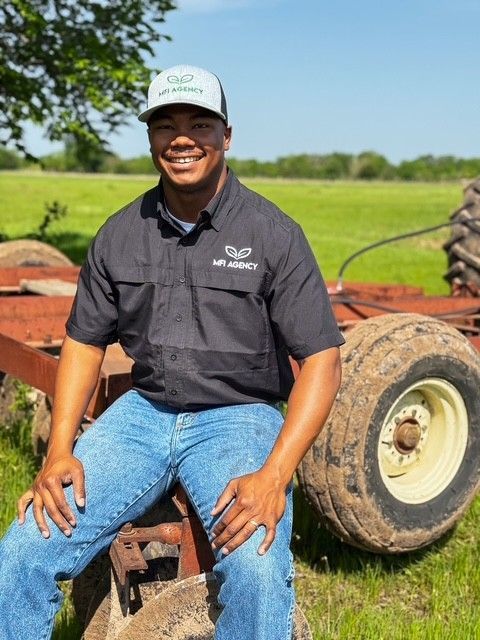
As Owner of MFI Agency, I bring firsthand experience as a farmer and business owner to helping clients protect what matters most. I focus on providing straightforward, dependable insurance solutions for farms, ranches, and commercial operations—built on trust, local values, and a deep understanding of the agricultural community.
Contact Us
Protection Built for Business Operations
Commercial Insurance Solutions
At MFI Agency, we deliver commercial insurance options designed to help businesses stay protected against common risks and unexpected challenges. Our coverages provide financial security so you can focus on growing your operation with confidence.
General Liability Insurance
Protect your business from claims of bodily injury, property damage, and personal injury.
Commercial Auto Insurance
Insure your trucks, trailers, and vehicles used for business purposes.
Commercial Umbrella Insurance
Extend your liability protection beyond the limits of your existing policies.
Excess Liability Insurance
Extra coverage to help protect your business from large, unexpected claims.
Experience and solutions tailored to your field.
Focused Protection for Specialized Industries
Every industry faces unique risks. At MFI Agency, we focus on industries that require specialized knowledge and strategic coverage. From traditional farming to agricultural innovation, we help protect the operations that feed, grow, and build our communities.
Farms
Read More
GET INSURED NOW!Protecting row crop farms, dairies, and aquaculture facilities with tailored insurance solutions.
Ranches
Read More
GET INSURED NOW!Coverage for cattle operations and livestock businesses to safeguard your livelihood.
Ag Suppliers
Read More
GET INSURED NOW!Insurance for feed mills, grain elevators, and input suppliers supporting agriculture.
Food Processors
Read More
GET INSURED NOW!Customized protection for commercial kitchens, processors, and manufacturers.
Food Distributors
Read More
GET INSURED NOW!Coverage for fleets, warehouses, and distribution networks moving products safely.
Retail/Foodservice
Read More
GET INSURED NOW!Insurance solutions for independently owned restaurants, cafes, and small food service operations.
Your Path to Better Protection
How to Get Started with MFI Agency
Getting the right insurance doesn’t have to be complicated. At MFI Agency, we follow a straightforward process to understand your needs and match you with the right coverage. Whether you’re insuring a ranch, agribusiness, or commercial operation, we’re here to guide you every step of the way.
FAQs About Our Services
Answers to Common Insurance Questions
Providing clarity on coverage and policies.
How does equipment breakdown insurance work for farms?
Equipment breakdown insurance provides coverage for unexpected mechanical or electrical failures of essential farm equipment. This includes machinery like irrigation systems, refrigeration units, and milking machines. Such coverage helps mitigate repair or replacement costs that aren't typically covered under standard property insurance.
For instance, if a power surge damages your grain dryer, equipment breakdown insurance can cover the repair expenses and any associated income loss due to downtime. This ensures that your farming operations can resume promptly without significant financial setbacks.
Can I get replacement cost coverage on tractors and farm equipment?
Yes, many insurance providers offer replacement cost coverage for tractors and farm machinery. This type of coverage reimburses you for the cost of replacing damaged equipment with new items of similar kind and quality, without deducting for depreciation.
For example, if your tractor is destroyed in a fire, replacement cost coverage would cover the expense of purchasing a new tractor of comparable specifications. It's important to note that eligibility for this coverage often depends on the age and condition of the equipment.
Do I need farm insurance if I am a hobby farmer?
Absolutely. Even if your farming activities are part-time or not your primary income source, hobby farm insurance is crucial. Standard homeowners insurance policies typically exclude coverage for farming operations, which means structures like barns or equipment like tractors may not be protected.
Hobby farm insurance provides tailored coverage for your unique needs, including protection for outbuildings, equipment, and liability risks. Whether you're selling produce at a local market or simply maintaining a small flock of chickens, this insurance ensures that your assets and activities are adequately covered.
We are licensed in Arkansas, Colorado, Iowa, Kansas, Oklahoma, Tennessee, Texas, Pennsylvania, and Utah.
Helpful Insights for Farmers and Business Owners
Latest Articles from MFI Agency
At MFI Agency, we believe informed clients make better decisions. Our blog shares practical tips on farm and business insurance, industry updates, and strategies to help protect what you’ve built. Whether you're managing crops, equipment, or employees — we’ve got helpful content to guide you.
Is Your Farm Truck Covered Off-Road? What Texas Farmers Need to Know About Commercial Auto Insurance
Address
4216 Wesley St.Greenville, TX 75401
Contact Us
info@mfi-services.com
Call Us (903) 551-7903
Agency Hours:
Monday - Friday: 8:00am - 5:00pm
Start Your Insurance Journey with Confidence
Get a Quote from MFI Agency
Protect your farm, ranch, or business today.
Contact Us
Contact Us