


Top 3 Recommended Policies

The poultry industry in Louisiana encounters unique challenges that demand a tailored insurance approach. With farm values soaring and new risks emerging, a sound understanding of poultry farm insurance is crucial for any operator in the state. Detailed insights from recent industry reports and research offer a roadmap to protect valuable assets effectively. For example, poultry growers in Louisiana produced nearly 978 million pounds of broiler meat last year, reflecting the scale of operations and the financial stakes involved, as reported by the LSU AgCenter.
The importance of poultry to the regional economy is undeniable. Livestock specialists point out that this sector is a major component of economic stability in north Louisiana. As new challenges such as severe bird flu outbreaks arise, understanding your insurance options is more than a precaution-it's a necessity. This article delves into the unique elements of poultry farm insurance in Louisiana, covering risks, rising costs, and how tailored coverage can mitigate potential losses in an evolving landscape.
Recent outbreaks and market trends emphasize the need for proactive risk management. For instance, the local agriculture community faced a significant setback in December 2024 when a case of highly pathogenic avian influenza was confirmed in a backyard flock in Bossier Parish
(Louisiana Department of Agriculture and Forestry). This event underscores why understanding the nexus between disease risk and insurance coverage can help farm operators avoid financial pitfalls.
Understanding the Importance of Poultry Insurance in Louisiana
Poultry production in Louisiana is no small matter. In 2023 alone, broiler meat production reached nearly 978 million pounds representing a significant economic force (LSU AgCenter). This scale of production calls for equally robust measures in risk management and asset protection. High-value equipment and facilities require comprehensive coverage that takes into account the specific challenges of poultry farming, including disease outbreaks, structural damage, and market volatility.
Local experts have consistently highlighted the critical economic role that poultry plays in Louisiana. As livestock specialist Jason Holmes states, poultry is a major component of the north Louisiana economy (LSU AgCenter). With high asset specificity, poultry houses represent a significant investment that may require specialized insurance products. A USDA report even cautioned that credit-based stress could increase if integrators reduce throughput, exposing farms to added financial strain (USDA Risk Management Agency).
Having the right poultry farm insurance policy in place can mean the difference between seamless operations and crippling losses. With rising construction costs-broiler houses have seen increases of more than 46% since 2020-ensuring that your operation is protected against both predictable and unexpected risks becomes paramount
(Mid-South Land Values & Lease Trends Report).
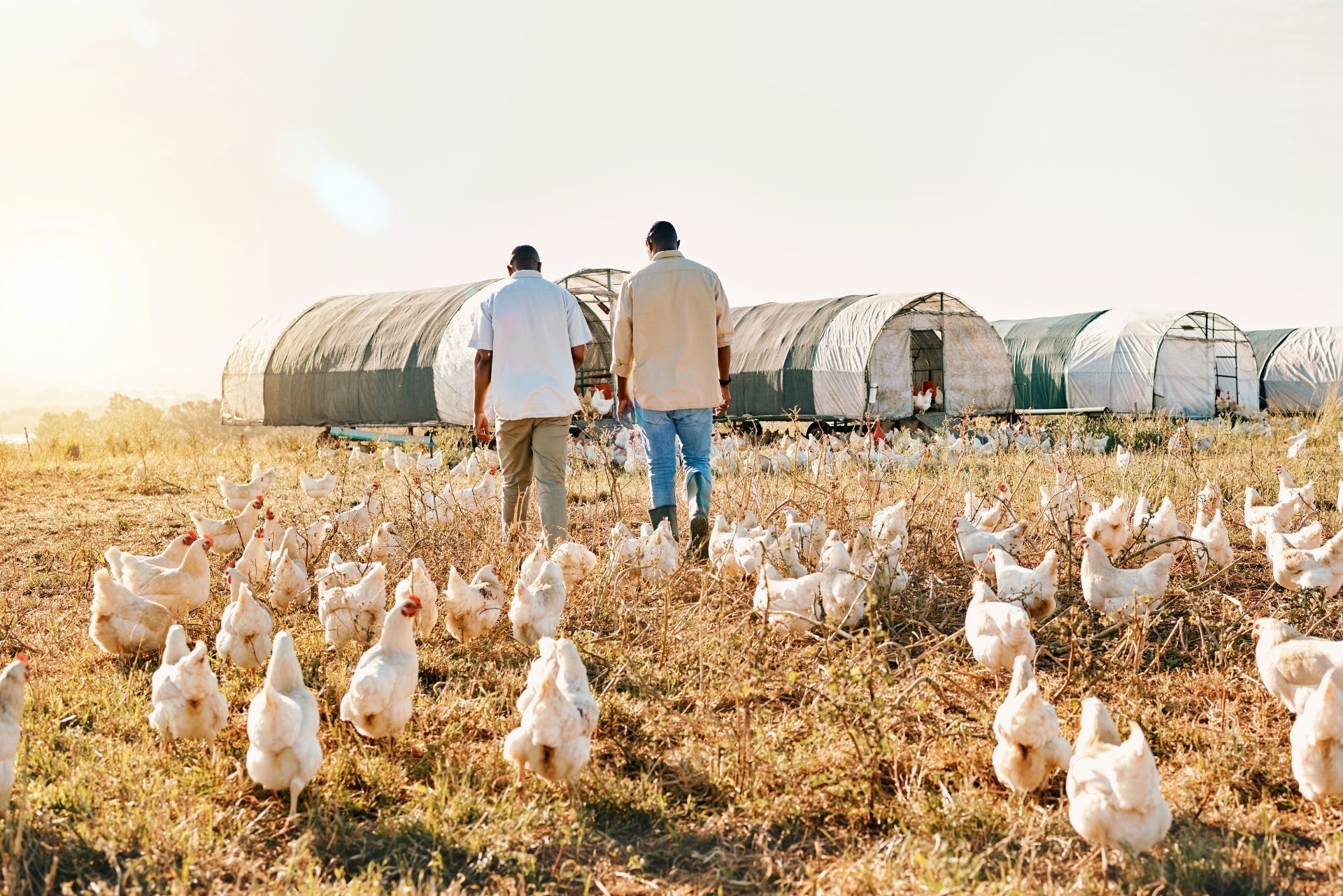
One pressing concern for poultry operations in Louisiana is the risk of avian influenza. Back in 2024, Louisiana recorded the nation’s first severe human infection of H5N1-a stark reminder that even backyard flocks are not immune to this disease (LSU AgCenter). This health crisis triggered apprehension across the entire poultry supply chain.
The implications of such outbreaks extend beyond animal health. A single event can lead to significant operational disruptions and financial strain. Insurance policies designed for poultry farms typically address disease outbreaks, helping farmers cover expenses related to containment, loss of stock, and cleanup operations, as well as providing for lost income.
Policyholders are also advised to explore coverage options that include business interruption and contingent business interruption. With disease outbreaks like HPAI, the cascading effects-such as delayed productions and supply chain issues-can be devastating. Yet with the appropriate insurance arrangements, these financial setbacks can be greatly minimized.
Economic Dynamics and Increasing Costs
Economic factors in Louisiana’s agriculture sector have been shifting rapidly. The gross farm value of poultry production in 2022 reached an impressive $1.26 billion, an increase of approximately $362 million since 2020 (LSU AgCenter). This upward trend not only signifies growth in the industry but also points to increased vulnerabilities to market fluctuations and other risks.
The evolution of the poultry industry has resulted in more specialized and high-value assets. For example, modern poultry houses come equipped with advanced climate control systems, automated feeding mechanisms, and high-tech monitoring tools. Each of these components represents an investment that requires careful safeguarding through insurance.
Construction costs, particularly for broiler facilities, have spiked significantly. Data from the Mid-South Land Values & Lease Trends Report indicate that costs have soared by nearly half from 2020 to 2023, a surge which directly impacts the capital needed to keep up-to-date facilities
(Mid-South Land Values & Lease Trends Report). This interplay between rising assets and their associated risks makes accurate valuation and constant risk assessment integral components of insurance requirements for poultry farms.
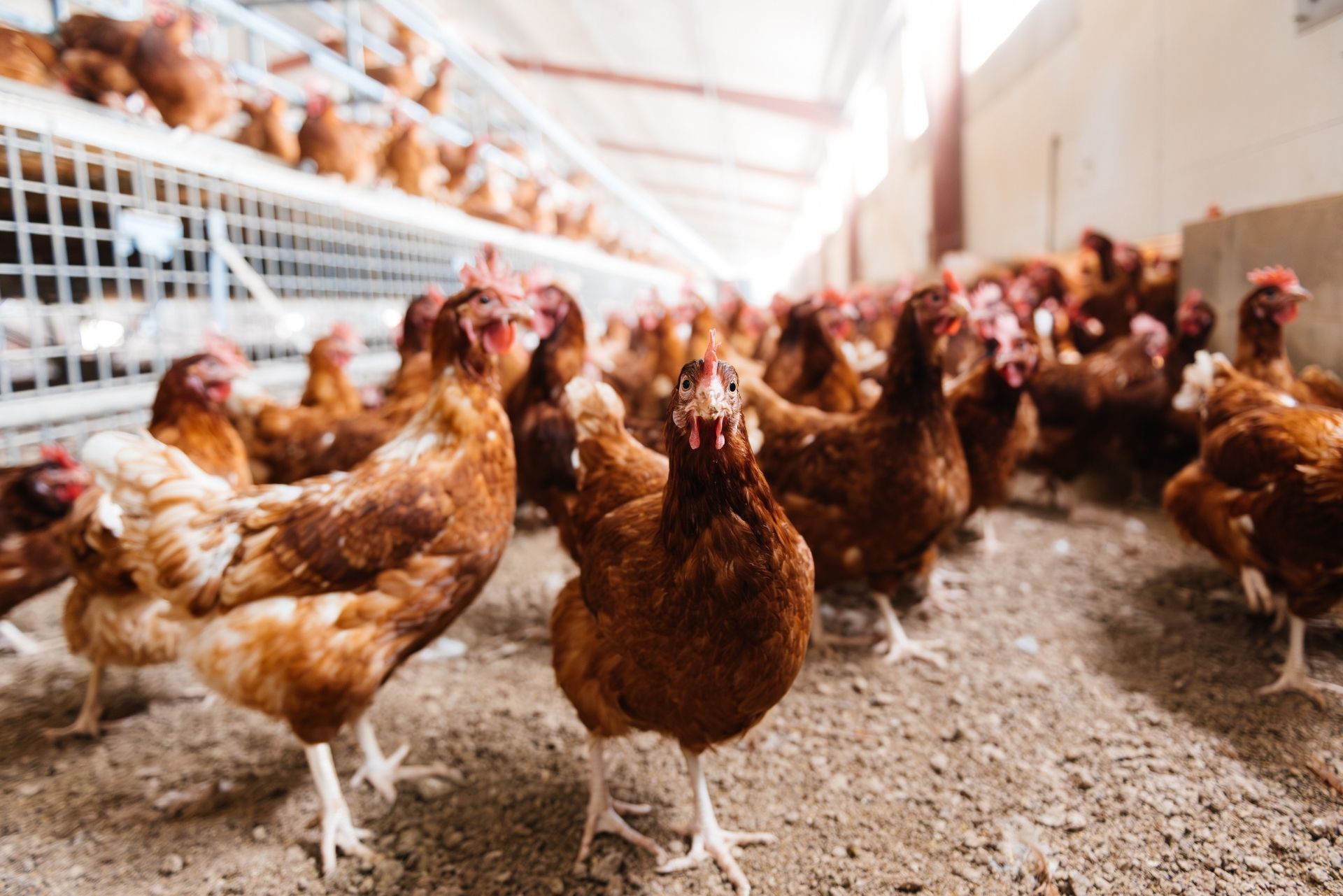
Essential Elements of a Poultry Farm Insurance Policy
When choosing an insurance policy tailored for a poultry operation, several key elements must be considered to ensure comprehensive protection. These elements include coverage for property damage, liability, business interruption, and even income loss.
Property damage coverage is vital, given that poultry houses are expensive, specialized structures. With their high asset specificity, farms can face credit-based stress if integrators reduce throughput (USDA Risk Management Agency). Policies should explicitly cover physical assets including buildings, equipment, and even livestock under certain conditions.
Liability coverage is equally important. In scenarios where avian diseases cross from animal to human-such as the severe human infection of H5N1 registered in Louisiana-liability risks can extend beyond farm losses (LSU AgCenter). Comprehensive coverage protects farm owners from lawsuits, medical expenses, and other litigation-related costs.
Property and Equipment Coverage
The primary focus of most poultry insurance policies is property and equipment coverage. Given that poultry houses in Louisiana are built to high specifications, ensuring that repairs or rebuilds are adequately funded is crucial. With construction costs on an upward trajectory, a policy that thoroughly covers the replacement of damaged equipment and structures will provide essential peace of mind.
High-tech systems and automated processes increase efficiency but also add layers of risk. Insurance policies should not only consider the value of physical structures but also the high cost of modern technology installations. This kind of thoughtful coverage protects producers from unexpected expenses and helps maintain operational continuity in the event of a disaster.
Policyholders are encouraged to work closely with risk management professionals to evaluate the depreciated value of their assets. Investing money in regular maintenance and upgrade programs can also offer favorable terms when negotiating insurance coverage.
Business Interruption and Income Loss
Business interruption insurance is a lifeline when operations slow to a halt. A disease outbreak or natural disaster can shut down production lines swiftly. Given the scale of Louisiana’s operations-where tens or hundreds of millions of dollars are at risk-ensuring that there is coverage to counterbalance sudden revenue losses is imperative.
Recent challenges have illustrated how quickly poultry farms can transition from a thriving business to an operation burdened by loss of income. Insurance products that include income loss coverage can help bridge the gap until production resumes normal levels, alleviating the financial stress during moratorium periods.
With such policies in place, even if a farm must temporarily suspend operations due to unavoidable events, there is a financial safety net that covers fixed costs like payroll, utility bills, and loan repayments. This form of coverage often mitigates the harsher consequences of an extended downtime.
Comprehensive Risk Management Strategies
Risk management in the poultry sector is not solely reliant on insurance. Effective strategies include biosecurity measures, regular equipment maintenance, and effective crisis management planning. An integrated approach that combines physical safeguards and sound insurance policies can significantly reduce vulnerabilities.
For instance, recent events-such as the highly pathogenic avian influenza outbreak in a Bossier Parish backyard flock-highlight the need for improved biosecurity practices on all types of poultry operations (Louisiana Department of Agriculture and Forestry). Farmers need to adopt stringent protocols, including regular vaccination schedules, proper sanitation, and controlled access to barns and housing units.
Insurance policies often require businesses to meet certain standards to ensure the lowest possible risks. By incorporating these risk management principles, poultry farmers not only reduce potential claim costs but may also enjoy reduced premiums and better insurance terms over time.
Adapting to Evolving Risks
Rapid environmental changes, disease threats, and the economic pressures from rising construction costs necessitate constant evolution in risk management strategies. The USDA has highlighted that the high asset specificity of poultry houses can lead to increased financial stress if not managed correctly (USDA Risk Management Agency).
Modern insurance products must adapt to these evolving risks by providing flexible coverage options. Upgradable policies that allow businesses to include emerging risks can be crucial. For instance, many providers now offer endorsements specifically for biosecurity failures, ensuring that additional losses are covered beyond standard policies.
This proactive approach is especially pertinent in Louisiana, where fluctuating market conditions, escalating costs, and emerging disease risks constantly reshape the insurance landscape. Producers are encouraged to review their policies regularly to align with current standards and industry practices.
Integrating Technology with Risk Management
Technology plays a critical role in modern risk management strategies. From temperature sensors in poultry houses to automated feed systems, technology enhances operational efficiency while posing its own set of risks. Damage, power surges, or system failures can disrupt operations and lead to hefty repair costs.
Insurance policies for poultry farms in Louisiana increasingly account for technology-driven risks. Coverage often includes protection for high-tech equipment and software failures. This integration of technology-specific clauses in insurance policies not only helps manage risk but also supports smoother transitions during operational recovery.
The incorporation of technology in the poultry sector exemplifies why having a comprehensive understanding of policy details is vital. As investments in technology grow, the parallel need for extended coverage becomes paramount, ensuring that every layer of operation is safeguarded.
Before committing to a specific poultry farm insurance policy, operators should compare the available options to find one that aligns with their risk profile and operational complexity. Below is a table summarizing key differences among standard, enhanced, and comprehensive coverage packages designed for poultry farms.
| Coverage Feature | Standard Package | Enhanced Package | Comprehensive Package |
|---|---|---|---|
| Property Damage | Basic structural coverage | Includes high-tech systems | Covers rebuild/replacement costs fully |
| Liability | General liability limits | Extended liability, including disease risks | Full spectrum liability with crisis management |
| Business Interruption | Limited duration | Expanded income loss coverage | Comprehensive coverage for extended downtime |
| Additional Endorsements | Optional add-ons | Includes biosecurity endorsements | Fully integrated risk management endorsements |
This side-by-side view helps articulate the layers of protection available. Farmers should compare these features against their needs and the inherent risks of their specific operations. Detailed discussions with insurance providers can further refine the choice, ensuring that no critical exposure is left unaddressed.
Determining Adequate Coverage Levels
Setting the right coverage levels is not a one-size-fits-all decision. Each Louisiana poultry operation has its distinct risk profile, which should be reflected in its insurance policy. Several factors such as property value, technological investments, and local economic conditions influence the decision-making process.
For instance, when poultry producers invest in modernized buildings with advanced systems, the corresponding replacement and repair costs can be substantial. Ensuring that the policy feature adequately protects this investment can save a business from severe financial repercussions. The evaluation process includes balancing premium costs against the risk of major losses.
In addition, the fluctuating market conditions in Louisiana, illustrated by a reported gross farm value increase to $1.26 billion in recent years (LSU AgCenter), add complexity to the decision process. A nuanced approach that factors in these dynamics ultimately results in a more resilient insurance setup.
Risk Assessment and Financial Planning
A thorough risk assessment lays the groundwork for appropriate insurance coverage. Evaluating potential risks-from structural damage and equipment malfunction to disease outbreaks-helps determine the extent of coverage needed. Collaboration between insurance professionals and farm management teams is often essential to capture all relevant exposures.
Financial planning is equally important. Because poultry operations represent high-value investments, keeping a meticulous record of assets and regular maintenance expenditures can significantly streamline the claim process. Adequate documentation is a key requirement for insurers to accurately determine risks and premiums.
The unpredictable nature of risks, highlighted by events like the recent avian influenza outbreak in Bossier Parish, makes it wise to adopt conservative coverage levels that can absorb shocks if operations are disrupted unexpectedly.
Customizing Policies for Individual Needs
No two poultry farms are identical. Some farms may rely on the latest automated systems, while others might maintain a more traditional setup. Insurance policies that allow customization empower producers to tailor coverage to their specific risks. This might include selecting higher limits for technology or opting for endorsements that offer enhanced protection during crisis scenarios.
Customizing your policy can also involve negotiating flexible terms that adjust to seasonal production variances and market conditions. Insurers often appreciate proactive risk mitigation measures and may offer premium discounts when such strategies are evident.
Proactive discussions with an experienced insurance advisor can lead to a deep understanding of coverage options. A tailored insurance policy supports both the financial stability and long-term growth of the operation.
Future Trends in Poultry Insurance
Projected trends in the poultry insurance market suggest continued growth, with estimates indicating that the global poultry insurance market is expected to almost double by 2033. This growth is driven by a compound annual growth rate of 9.2% beginning in 2026 (Verified Market Reports). Such dynamics will likely influence not only premium pricing but also the breadth of coverage options available to poultry farmers in Louisiana.
As the industry modernizes, insurance policies are evolving in tandem. Some trends include the broader adoption of integrated risk management systems, digital claim processing, and tailored endorsements that reflect emerging challenges such as climate change and biosecurity threats. Providers are increasingly offering products that align with rapidly evolving operational practices, ensuring that coverage remains relevant and comprehensive.
This forward-looking perspective means that poultry farmers should remain vigilant in monitoring changes in the market and revisiting their insurance arrangements periodically. With complexity and uncertainty becoming ever more common, staying updated on industry trends not only protects operations but also positions them for future success.
Digital Tools and Data Integration
Digital technology is transforming how insurance companies assess risk and manage claims. Tools such as drones, sensor networks, and data analytics help insurance providers obtain more accurate estimates of potential losses. This technological integration benefits farm owners, as it can lead to more precise premium calculations and faster claim resolutions.
Data integration solutions also enable insurance companies to offer real-time monitoring and risk assessment. This dynamic approach to policy management means that adjustments can be made as operational needs evolve. Ultimately, enhanced digital tools strengthen the relationship between insurers and policyholders by offering more responsive, data-driven service.
While traditional risk management methods remain relevant, the technological leap ensures that modern poultry operations receive more relevant and timely coverage adjustments, aligning their insurance needs with rapid industry developments.
Frequently Asked Questions
What does a comprehensive poultry farm insurance policy cover?
A comprehensive policy typically includes property damage, liability, business interruption, and income loss coverage. It is tailored to address the unique challenges of poultry operations, including disease outbreaks and equipment failures.
How do rising construction costs affect insurance premiums?
With increased costs for building and maintaining modern poultry facilities, insurance premiums may adjust accordingly to reflect the accurate replacement value of assets. Detailed risk assessments ensure that policies offer sufficient protection against rising expenses.
Can I customize my poultry insurance policy to suit my specific needs?
Yes, many insurance providers offer customizable policies. Farmers can add endorsements and tailor coverage limits to reflect the unique risks and investments associated with their operations.
What role does technology play in managing insurance risks?
Advancements such as sensor networks and data analytics enhance risk assessment and streamline the claims process. Digital tools enable real-time monitoring, which can lead to more accurate premium calculations and faster responses to incidents.
How often should a poultry farm review its insurance coverage?
Given the dynamic nature of the industry and emerging risks, it is wise to review insurance coverage annually or whenever significant changes in operations occur.
What are the most significant risks for poultry farms in Louisiana?
Major risks include disease outbreaks like avian influenza, rising construction and equipment costs, and liability issues associated with potential human health impacts. Proper insurance coverage helps mitigate these challenges.
Final Thoughts for Poultry Farm Operators
Managing a successful poultry operation means being prepared for both everyday challenges and extraordinary events. With economic conditions shifting rapidly and new risks emerging-from severe disease outbreaks to escalating construction costs-poultry insurance in Louisiana is a critical component of long-term business planning.
The recent record of nearly 978 million pounds of broiler meat produced, along with notable trends in gross farm value increases, exemplify the scale and economic importance of the industry (LSU AgCenter). These figures not only highlight the financial stakes involved but also underline the necessity of robust insurance coverage that evolves alongside market dynamics.
In choosing the right insurance policy, producers should assess their unique operational risks, ask detailed questions, and collaborate with knowledgeable advisors. Tailored policies that account for property damage, liability, business interruptions, and technological assets provide a critical safety net.
Ultimately, a sound insurance strategy offers poultry farm operators peace of mind so they can focus on growth, innovation, and maintaining a strong economic foothold within Louisiana’s agricultural landscape. As the industry continues its rapid evolution, staying informed about coverage options and market developments becomes even more important for protecting long-term investments.
About The Author:
Terren Moore

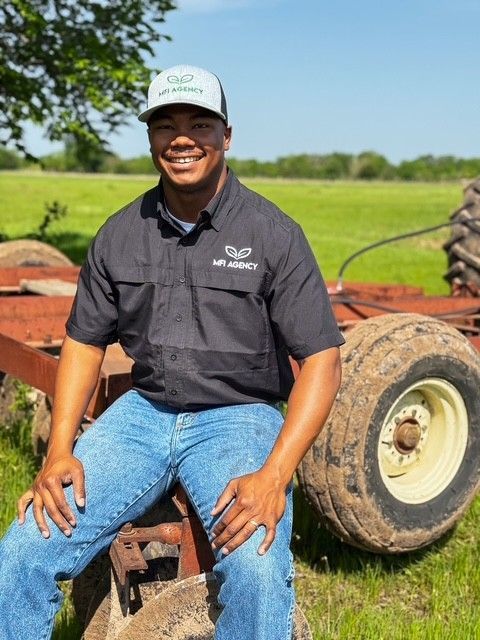
As Owner of MFI Agency, I bring firsthand experience as a farmer and business owner to helping clients protect what matters most. I focus on providing straightforward, dependable insurance solutions for farms, ranches, and commercial operations—built on trust, local values, and a deep understanding of the agricultural community.
Contact Us
Protection Built for Business Operations
Commercial Insurance Solutions
At MFI Agency, we deliver commercial insurance options designed to help businesses stay protected against common risks and unexpected challenges. Our coverages provide financial security so you can focus on growing your operation with confidence.
General Liability Insurance
Protect your business from claims of bodily injury, property damage, and personal injury.
Commercial Auto Insurance
Insure your trucks, trailers, and vehicles used for business purposes.
Commercial Umbrella Insurance
Extend your liability protection beyond the limits of your existing policies.
Excess Liability Insurance
Extra coverage to help protect your business from large, unexpected claims.
Experience and solutions tailored to your field.
Focused Protection for Specialized Industries
Every industry faces unique risks. At MFI Agency, we focus on industries that require specialized knowledge and strategic coverage. From traditional farming to agricultural innovation, we help protect the operations that feed, grow, and build our communities.
Farms
Read More
GET INSURED NOW!Protecting row crop farms, dairies, and aquaculture facilities with tailored insurance solutions.
Ranches
Read More
GET INSURED NOW!Coverage for cattle operations and livestock businesses to safeguard your livelihood.
Ag Suppliers
Read More
GET INSURED NOW!Insurance for feed mills, grain elevators, and input suppliers supporting agriculture.
Food Processors
Read More
GET INSURED NOW!Customized protection for commercial kitchens, processors, and manufacturers.
Food Distributors
Read More
GET INSURED NOW!Coverage for fleets, warehouses, and distribution networks moving products safely.
Retail/Foodservice
Read More
GET INSURED NOW!Insurance solutions for independently owned restaurants, cafes, and small food service operations.
Your Path to Better Protection
How to Get Started with MFI Agency
Getting the right insurance doesn’t have to be complicated. At MFI Agency, we follow a straightforward process to understand your needs and match you with the right coverage. Whether you’re insuring a ranch, agribusiness, or commercial operation, we’re here to guide you every step of the way.
FAQs About Our Services
Answers to Common Insurance Questions
Providing clarity on coverage and policies.
How does equipment breakdown insurance work for farms?
Equipment breakdown insurance provides coverage for unexpected mechanical or electrical failures of essential farm equipment. This includes machinery like irrigation systems, refrigeration units, and milking machines. Such coverage helps mitigate repair or replacement costs that aren't typically covered under standard property insurance.
For instance, if a power surge damages your grain dryer, equipment breakdown insurance can cover the repair expenses and any associated income loss due to downtime. This ensures that your farming operations can resume promptly without significant financial setbacks.
Can I get replacement cost coverage on tractors and farm equipment?
Yes, many insurance providers offer replacement cost coverage for tractors and farm machinery. This type of coverage reimburses you for the cost of replacing damaged equipment with new items of similar kind and quality, without deducting for depreciation.
For example, if your tractor is destroyed in a fire, replacement cost coverage would cover the expense of purchasing a new tractor of comparable specifications. It's important to note that eligibility for this coverage often depends on the age and condition of the equipment.
Do I need farm insurance if I am a hobby farmer?
Absolutely. Even if your farming activities are part-time or not your primary income source, hobby farm insurance is crucial. Standard homeowners insurance policies typically exclude coverage for farming operations, which means structures like barns or equipment like tractors may not be protected.
Hobby farm insurance provides tailored coverage for your unique needs, including protection for outbuildings, equipment, and liability risks. Whether you're selling produce at a local market or simply maintaining a small flock of chickens, this insurance ensures that your assets and activities are adequately covered.
We are licensed in Arkansas, Colorado, Iowa, Kansas, Oklahoma, Tennessee, Texas, Pennsylvania, and Utah.
Helpful Insights for Farmers and Business Owners
Latest Articles from MFI Agency
At MFI Agency, we believe informed clients make better decisions. Our blog shares practical tips on farm and business insurance, industry updates, and strategies to help protect what you’ve built. Whether you're managing crops, equipment, or employees — we’ve got helpful content to guide you.

Is Your Farm Truck Covered Off-Road? What Texas Farmers Need to Know About Commercial Auto Insurance
Address
4216 Wesley St.Greenville, TX 75401
Contact Us
info@mfi-services.com
Call Us (903) 551-7903
Agency Hours:
Monday - Friday: 8:00am - 5:00pm
Start Your Insurance Journey with Confidence
Get a Quote from MFI Agency
Protect your farm, ranch, or business today.
Contact Us
Contact Us