


Top 3 Recommended Policies

A sudden price fluctuation in feed costs, unexpected weather events, and increasingly complex regulatory requirements can quickly escalate risks for poultry farms. Insurance strategies tailored for this vibrant sector are essential to safeguard operations, assets, and the livelihoods of workers. Mississippi stands out in this arena with a booming poultry industry that not only contributes billions to the state’s economy but also presents unique challenges and opportunities for risk management. Learn more about the critical aspects of poultry farm insurance in Mississippi as this guide navigates through industry trends, risk factors, and practical insights for farmers and insurers alike. For additional insights on current trends, check out details on Mississippi State University Extension Service.
The Pillars of Mississippi’s Poultry Industry
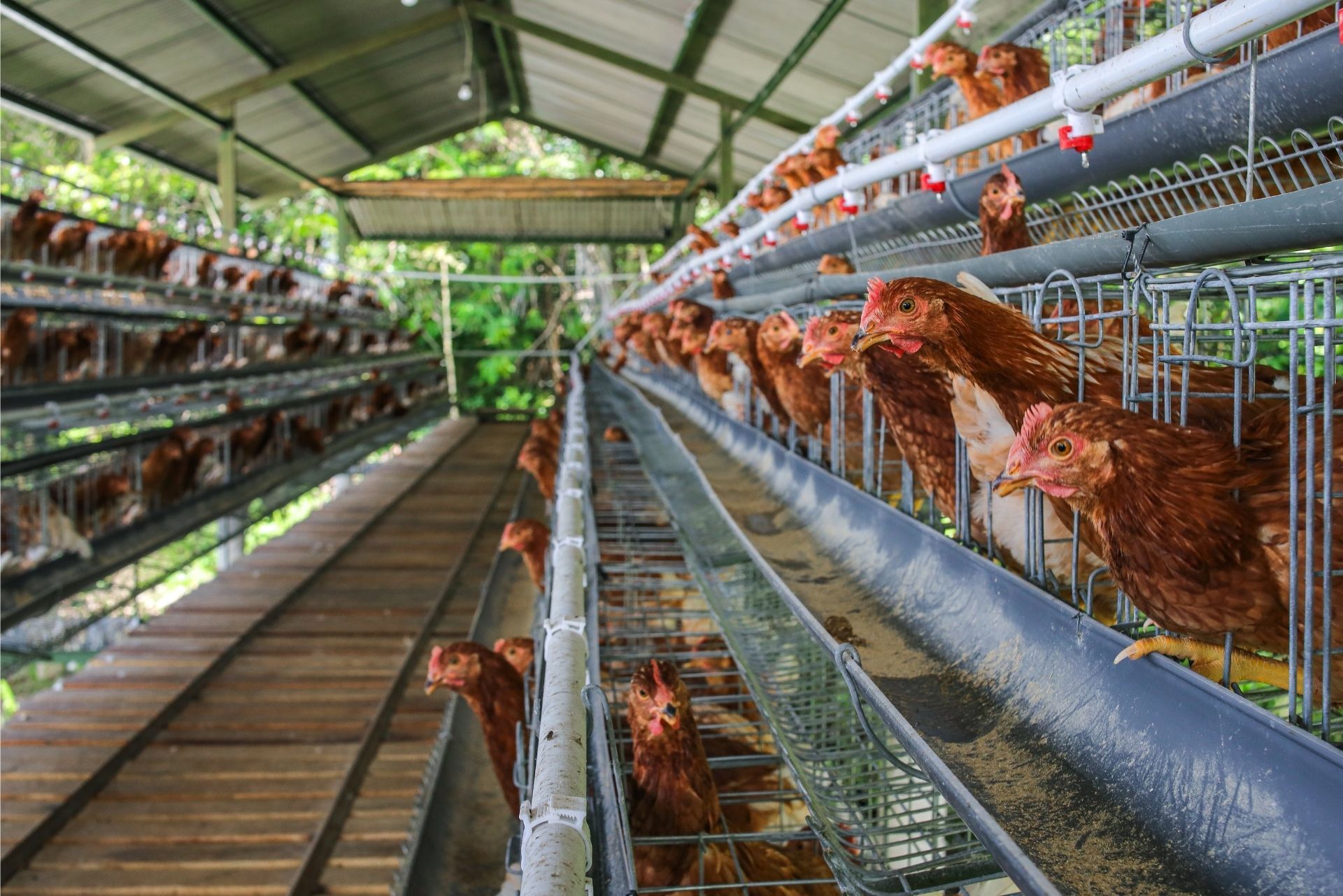
Mississippi’s poultry industry is a major economic engine that has maintained its status as the state’s top agricultural commodity for over 20 years. Concentrated in broiler production, these farms contribute considerably to both local markets and international trade. With over 3,003 poultry farms in the state and broilers accounting for nearly 94% of the total poultry income, the industry has built a robust ecosystem of production, processing, and support services.
This thriving sector generated over $3.8 billion in 2024, marking a notable 10.5% increase from the previous year. Such substantial growth highlights the resilience and adaptability of the industry even in the face of economic challenges and fluctuating raw material costs. For more statistical backing, refer to the recent report from the Mississippi State University Extension Service.
The industry’s success is built on efficient production cycles, advancements in technology, and proactive measures that maintain high standards of animal health and biosecurity. As these factors continue to evolve, farm owners are increasingly turning to specialized insurance products to protect their investments and manage operational risks.

Understanding the Role of Insurance in Poultry Farming
Managing a poultry farm is not without its challenges. Disease outbreaks, environmental hazards, and compliance with dynamic regulations are persistent risks. One distinct challenge is the occurrence of HPAI. On January 7, 2025, North Carolina confirmed its first case of HPAI in a commercial laying hen flock since February 2024 (MEAT+POULTRY). An outbreak like this can disrupt production routines and severely impact the financial stability of a business.
Experts have pointed out the need for rapid response protocols. Steve Troxler, the North Carolina Agriculture Commissioner, has emphasized that being one of the highest-ranking states in production, particularly for turkeys, chickens, and pork, also means that the state needs equally robust prevention and mitigation strategies (North Carolina Health News). The importance of early disease detection becomes even more evident when swift veterinary responses successfully contained outbreaks within days. When risk factors such as these merge with financial pressures, specialized poultry house insurance becomes a vital tool in ensuring business continuity.
Other risks include environmental compliance, worker safety, and potential chemical exposure or biosecurity lapses. Insurance products tailored for these operations are structured to manage losses from property damage, business interruptions, and contamination events. This proactive risk management approach ensures that a single incident does not lead to a cascade of financial issues.
Insurance providers offer a range of coverage options to address the unique needs of poultry farms in Mississippi. The most common types include property insurance, liability coverage, business interruption insurance, and specialized coverage for livestock mortality. These policies are specifically designed to navigate the risks inherent in poultry production.
For instance, property insurance helps cover damages incurred from natural disasters, technological malfunctions, or human-related errors. The value of protecting physical assets cannot be understated in an environment where modern farming equipment and technology play a significant role in everyday operations.
Liability policies protect farm owners if there is an incident resulting in injury or damage to third-party property. Given that the Mississippi poultry industry directly employs over 32,000 people and supports more than 66,000 jobs across allied and support roles, the impact of a liability claim could extend far beyond the immediate damage to property or reputation.
Property and Equipment Insurance
Property and equipment insurance is one of the core pillars of risk management on a poultry farm. This coverage ensures that damages from severe weather, fire outbreaks, or even pest infestations are financially manageable. Modern poultry farms are equipped with computerized systems to monitor production, and a breakdown in these systems can halt operations. Comprehensive property insurance offers peace of mind by safeguarding these investments.
Given the high value of modern farming equipment, overall insurance needs must consider both replacement cost and ongoing operational costs. Fine-tuning policies to include both immediate repair costs and future upgrades is an approach tailored towards managing long-term risk, especially considering current industry trends of constant technological upgrades.
The advanced production techniques that drive Mississippi's poultry success underline the importance of protecting these technological investments.
Liability and Business Interruption Coverage
Liability insurance is another critical element in a rounded insurance package, offering protection against claims arising from accidents, injuries, or even contamination. Poultry farms face unique challenges, from sustaining injuries during operation to managing issues such as product contamination that can lead to public health concerns. A robust liability policy shields farm owners from the costly repercussions of legal battles and claim settlements.
Business interruption coverage is equally essential. In the event of an unforeseen disaster-a disease outbreak or natural disaster might force a farm to stop operations-the loss of revenue can be significant. Such coverage is designed to bridge the gap during periods when normal operations are stalled, ensuring continuity and helping farms meet financial obligations even when production is disrupted.
This insurance type becomes especially important as production scales up; for example, Mississippi produced an estimated 731 million broiler chickens in 2024, an increase of 3% from 2023 ().
Risk Management Strategies Unique to Poultry Farming
The success of any poultry operation depends largely on how effectively risks are managed. Mississippi poultry farmers acknowledge that a strategic approach to insurance combines proactive management with reactive risk mitigation. The adoption of advanced farming practices and biosecurity measures is one major aspect of risk control that compliments insurance coverage.
Enhanced biosecurity measures such as rigorous disinfection routines and controlled access to poultry houses help minimize the spread of disease. Yet even with stringent protocols, outbreaks like HPAI H5N1 can occur, creating disruption across sectors, including in areas not traditionally associated with poultry, such as dairy (Mississippi State University Extension Service). Insurance policies that include epidemic or disease outbreak coverage provide an important safety net in such scenarios.
Another dimension of risk management involves understanding market fluctuations and price volatility. Curves in feed costs and decreased market prices can be mitigated to a degree with comprehensive risk management plans and insurance. Detailed risk assessments are a vital tool that allow farm operators to design policies that match the specifics of their operation, ensuring that coverage limits and deductibles reflect actual risk exposure.
Implementing Advanced Biosecurity Measures
Biosecurity protocols have become a standard practice for mitigating risk on poultry farms. These practices include controlled farm access, consistent disinfection routines, and meticulous monitoring of animal health. Local training programs and extension services help keep farmers abreast of the latest disease prevention trends and the benefits of robust biosecurity measures.
Investments in such protocols are significant. They directly reduce the frequency and impact of disease outbreaks, which in turn lowers the frequency of insurance claims and stabilizes operating costs. Insurance companies take note of these measures and can offer premium discounts for farms that demonstrate advanced risk management practices.
The interplay between proactive measures and reactive insurance strategies helps create a resilient business model that other agricultural sectors often aspire to emulate.
Financial Instruments and Incentives
Insurance for poultry farms is not merely a protection mechanism; it is also a financial instrument that can enhance business stability and encourage investment. Some policies come with incentives that reward best practices in risk management with reduced premiums. These financial benefits make it economically advantageous for farm owners to continuously invest in updated equipment and advanced operational technologies.
Such programs are designed with the goal of aligning insured interests with broader industry objectives of safety and sustainability. A well-structured risk management program that includes both physical safeguards and comprehensive insurance allows farms to secure lower financing costs, ultimately making it easier to invest in new technology and modernize operations.
As Mississippi’s poultry industry continues to thrive with an economic impact of nearly $28 billion annually (Mississippi State University Extension Service), the integration of risk management and insurance remains a cornerstone of sustainable growth.
Emerging Challenges and Their Impact on Insurance Needs
The rapidly changing landscape in both the agricultural sector and broader market conditions constantly introduces new challenges for poultry farm owners. One challenge is the evolving risk of disease outbreaks and cross-species infections. For instance, a recent incident involving Highly Pathogenic Avian Influenza in dairy cattle underscored the interconnectedness of agricultural operations and the need for increased vigilance in biosafety protocols.
This complexity means that insurers are continually revising policy frameworks to cover a broader range of incidents. Increased claims related to disease outbreaks emphasize the need for adaptive strategies that can quickly respond to emerging threats. In response, insurance providers are making use of updated risk models that incorporate epidemiological trends, climatic data, and regional production statistics.
Market volatility is another area of concern. The high price of feed ingredients reported early in 2024 adversely affected profit margins as noted by poultry specialists, highlighting a recurring challenge linked to fluctuating market conditions (Mississippi State University Extension Service). These factors combine to necessitate that insurance policies remain flexible and responsive to both industry-specific risks and broader economic patterns.
Cross-Sector Disease Concerns
The detection of HPAI H5N1 in U.S. dairy cattle for the first time in March 2024 serves as a sobering reminder of the unpredictable nature of agricultural diseases. Such cross-sector occurrences can have cascading effects, prompting significant recalibrations in insurance risk assessments. Farm insurers are now factoring in broader epidemiological data, aiming to cover incidents that may originate in one part of the agricultural sector but spread rapidly to others.
This interdisciplinary approach to insurance requires better communication between various industry stakeholders. The integration of data across sectors provides a deeper understanding of risk patterns. As a result, farmers benefit from more comprehensive policies that offer increased flexibility in times of unexpected health scares.
By adopting such proactive and interconnected strategies, the entire Mississippi agricultural sector becomes better equipped to handle potential disruptions with minimal financial shock.
Economic Uncertainties and Supply Chain Pressures
Every poultry operation eventually faces economic uncertainties, whether from local market changes or international market pressures. With record production volumes and increased exports, supply chain disruptions, particularly in feed supply, can have a pronounced impact on operations. Consequently, many insurance providers are beginning to incorporate provisions that specifically address supply chain volatility.
Policies that include business interruption clauses specifically cover scenarios where production is halted due to supply chain failures. These provisions play a crucial role in protecting income streams when external economic factors hinder normal operations. By narrowing the risk exposure related to market fluctuations, farm owners can plan more effectively for long-term growth and stability.
Rising market uncertainties make it even more critical for insurance products to evolve in tandem with the unique requirements of large-scale production environments.
Insurance Costs and Premium Considerations
Setting up robust insurance coverage for a poultry farm in Mississippi involves careful cost evaluation. Premiums are influenced by farm size, production volume, risk management practices, and historical claims records. Larger farms typically face higher premiums due to the complexity and scale of operations, yet these farms limit the risk through stringent safety protocols and efficient production methods.
Premiums may also be affected by regional factors, including the prevalence of certain risks such as adverse weather events or disease outbreaks. Insurers keep a close eye on trends within the industry to adjust rates and coverage limits accordingly. For instance, specialist policies that account for the recent shifts in market conditions and production statistics, such as the annual growth recorded in Mississippi’s poultry industry, help in confining premium costs while ensuring comprehensive coverage.
When comparing insurance options, it is vital to consider both immediate premium costs and the potential financial protection offered in the event of a claim. This evaluation process ensures that farm owners select policies that offer an optimal balance between cost and risk management effectiveness.
Evaluating Total Cost of Ownership for Insurance
The concept of total cost of ownership in insurance goes beyond monthly premium payments. It encompasses deductibles, coverage limits, and any additional fees that might accumulate in the event of a claim. With the inherent risks associated with poultry production, a holistic view of insurance costs can provide better clarity and allow farm owners to make informed decisions about coverage levels.
One strategy that has proven useful is comparing side-by-side coverage options from different providers. Creating a data chart that clearly outlines coverage limits, specific risks covered, and corresponding premium costs can simplify this process immensely. Such detailed comparisons help highlight areas where policy modifications could lead to significant savings without sacrificing necessary protections.
Farmers can benefit by partnering with insurance brokers who specialize in agricultural policies. These experts offer insights tailored to the intricate dynamics of the poultry industry, enabling a comprehensive approach to risk management.
The Impact of Historical Claims on Premiums
Historical claims data holds substantial weight in determining insurance premiums. Farms that have experienced frequent or severe incidents may face higher premium rates. This history is important for insurers to gauge future risk, and it prompts farm owners to adopt improved safety measures to lower the likelihood of repeat claims.
Adopting improved risk mitigation practices not only stabilizes operations but may also lead to discounts on premiums. Insurance providers increasingly offer incentives for farms that establish rigorous biosecurity and safety measures. By ensuring that past issues are not repeated, both the insurer and the insured benefit from a more stable and predictable arrangement.
This dynamic is especially relevant in an industry that is continually evolving in response to modern challenges and technological advancements.
The Future of Poultry Farm Insurance in Mississippi
As Mississippi’s poultry industry continues to expand, the landscape of insurance is poised to evolve in parallel. Insurance providers are investing in advanced analytics and risk modeling to better understand and predict the multifaceted risks over the coming years. Innovations in technology, such as Internet of Things (IoT) sensors and real-time monitoring systems, are expected to play a significant role in risk assessment and claim processing.
These technological advances will further help insurers offer customized policies that reflect the real-world conditions of poultry farming. The integration of new data sources into actuarial models helps set more accurate premiums and tailor coverage options that are dynamically adjusted to current market conditions.
This forward-looking approach not only benefits farm owners with more precise risk coverage but also helps reduce overall losses and claims when disruptions occur.
Innovations in Risk Modeling
Modern risk modeling incorporates data analytics from multiple sources, ranging from weather forecasts to market trends and biosecurity tracking. These analytics help insurers tailor their offerings to the precise risk profile of a farm, ensuring that coverage remains both unaffected by sudden external changes and sufficiently flexible in times of market fluctuation.
Advanced risk models support better underwriting decisions and lower the probability of unexpected claims. Continued collaboration between research institutions, such as the Mississippi State University Extension Service, and insurance companies is likely to drive the next generation of risk management solutions.
The future also promises more interactive platforms that allow farm owners to directly monitor risk factors, schedule maintenance, and adjust their safety protocols in real time – a trend that is setting the stage for smarter, more resilient insurance frameworks.
Adapting to Regulatory and Environmental Shifts
The regulatory environment in the agricultural sector is continuously changing. New laws and environmental regulations can have immediate impacts on operational costs and insurance requirements.
In Mississippi, alignment with state guidelines is crucial, and insurance products are increasingly reflecting changes in policy. As governmental bodies introduce measures aimed at sustainable farming and environmental protection, the overall risk profile of poultry operations may shift significantly. Keeping pace with these changes demands agility from both farm operators and insurers.
Insurance solutions are evolving to incorporate these new regulatory challenges, ensuring that coverage remains comprehensive and that farm operations continue to comply with environmental standards.
Frequently Asked Questions
This section addresses common queries and concerns from farm owners considering insurance options tailored for their operations. Each question has been crafted to offer concise and practical insights.
Q: What specific types of insurance should a poultry farm consider?
A: Poultry farms should consider property insurance, liability coverage, business interruption protection, and specialized livestock mortality policies. These cover risks from property damage to disease outbreaks and supply chain disruptions.
Q: How do premium costs for poultry farm insurance get determined?
A: Premium costs are influenced by farm size, production volume, risk management measures, and historical claims data. Comparative evaluations and risk assessments help in identifying the optimal coverage levels and costs.
Q: Can technological advancements help reduce insurance premiums?
A: Yes, incorporating advanced risk modeling, IoT sensors for real-time monitoring, and improved biosecurity practices can lead to lower premiums and more accurate risk evaluations.
Q: What impact do market fluctuations and feed costs have on insurance claims?
A: Market fluctuations, such as rising feed costs and volatility in market prices, can affect operating margins which in turn might influence claim frequency and costs. Comprehensive insurance policies include business interruption coverage to help bridge these gaps.
Q: How can a farm benefit from partnering with an agricultural insurance broker?
A: Specialized brokers provide tailored advice, help in evaluating risk management practices, and secure policies that meet a farm’s unique operational needs while navigating regulatory complexities.
Q: What steps can poultry farms take today to better prepare for future risks?
A: Farms can invest in advanced biosecurity protocols, leverage technology for real-time monitoring, and regularly update their risk management strategies. Additionally, selecting insurance policies that are flexible and comprehensive is key to sustaining long-term operations.
Wrapping Things Up
Structuring a resilient poultry operation in Mississippi is as much about proactive risk management as it is about securing the right insurance coverage. Farmers have navigated a landscape marked by operational expansions, fluctuations in production costs, and evolving regulatory demands. With an industry generating billions and employing tens of thousands, the importance of robust insurance cannot be overstated.
Industry insights and statistical trends-such as the recent 10.5% growth in poultry revenue in 2024 (Mississippi State University Extension Service)-demonstrate that proactive insurance measures are foundational to farm sustainability. Whether addressing risks from natural disasters, disease outbreaks, or economic uncertainties, insurance remains a cornerstone for the future of poultry production in Mississippi.
Farm operators are encouraged to continuously evaluate their risk profiles and leverage the latest advancements in technology and risk management. Collaborating with experienced brokers and insurers can provide opportunities for premium incentives and ensure that coverage evolves in step with both operational practices and the regulatory landscape.
Key Takeaways for Poultry Farm Owners
Mississippi’s thriving poultry sector exemplifies a careful balance between rapid production growth and comprehensive risk management. Insurance policies tailored for poultry farms protect not only physical assets and production facilities, but also the economic stability of thousands of employees and their families
As the industry adapts to emerging challenges-ranging from fluctuating feed prices to unexpected disease outbreaks-farm owners must reassess their insurance needs continuously. Embracing innovations in risk modeling, advanced biosecurity measures, and strategic partnerships with insurance experts will empower operators to secure their investments and drive future success.
The interplay between continuous operational improvements and evolving insurance policies underscores the commitment to a resilient agricultural future, ensuring that the fruits of hard work remain protected even in turbulent times.
Insights on Insurance and Regional Impact
The Mississippi poultry industry not only underpins the state’s agricultural identity, but its significance extends to the overall economic health of its regions. With more than 32,000 direct employees and additional support provided to over 66,000 jobs through allied roles (Mississippi State University Extension Service), the stakes for maintaining uninterrupted operations are incredibly high.
Insurance tailored for these operations reflects a deep understanding of localized risk factors-from weather extremes to specific market forces. Such policies help maintain community stability and support the broad employer network inherent in regions where agriculture is a dominant economic force.
As the industry continues to lead both in terms of production volume and economic impact, it remains critical for farm owners, insurers, and related stakeholders to invest in comprehensive risk management strategies that address both current challenges and future uncertainties.
Looking Ahead
Ongoing innovations in technology, combined with evolving risk analytics and improved operational practices, point towards a future where poultry farm insurance will be even more tailored, responsive, and cost-effective. Over time, these advances will likely bring down overall premium costs while enhancing coverage quality.
This relationship between progressive insurance solutions and robust agricultural practices encourages a forward-thinking mindset in the poultry farming community. As Mississippi continues to lead in poultry production, the insurance sector is expected to keep pace, ensuring that farms can adapt to emerging challenges without sacrificing growth or financial stability.
Farm owners remain at the forefront of this evolution-integrating modern technology, strategic risk management practices, and dynamic insurance products to maintain operational excellence and secure long-term profitability. Engaging with experts and monitoring market trends will be essential as the industry navigates the future.
Final Thoughts on Protecting Your Poultry Operation
Designing comprehensive insurance coverage for poultry farms in Mississippi requires a nuanced understanding of operational risks and market dynamics. With the industry showing impressive growth, including a 10.5% revenue increase in the recent year (Mississippi State University Extension Service), equipping farms with robust insurance solutions has never been more critical.
The complexity of modern poultry farming calls for insurance packages that not only protect against physical risks but also cushion economic shocks due to unexpected operational interruptions. The integration of advanced technology, strategic thought processes, and evolving risk management practices forms the backbone of future-ready insurance solutions designed for each farm’s unique needs.
As operations expand and new challenges emerge, continuous dialogue with insurance professionals and regular updates to policy details will provide a safeguard against unforeseen events. With a commitment to innovation and risk mitigation, the Mississippi poultry industry remains well-positioned to handle current and future uncertainties.
Frequently Asked Questions Recap
Understanding insurance nuances can be a daunting task. The following frequently asked questions distill key points for poultry farm owners:
What are the most critical types of insurance for poultry farms?
Critical types of insurance include property, liability, business interruption, and livestock mortality coverage. These cover a range of potential losses from physical damage to operational downtime.
How are insurance premiums determined for poultry farms?
Premiums depend on factors such as farm size, production volume, historical claims data, and the robustness of risk management practices. Accurate risk assessment remains essential.
Can modern technology reduce overall insurance costs?
Yes, the use of IoT sensors and advanced risk monitoring systems can improve safety measures and potentially lower premiums by providing more precise risk evaluations.
Why is business interruption coverage vital?
Business interruption coverage ensures that even in unforeseen events-whether natural disasters, disease outbreaks, or supply chain disruptions-there is a financial safety net to maintain operations and meet expenses.
How does the local economic impact of the poultry industry influence insurance needs?
The vast contribution of the poultry sector to local economies, both in terms of employment and revenue, demands sophisticated insurance solutions that address not just immediate on-farm risks but also broader systemic impacts. Tailored policies protect stable income streams and business continuity.
What steps can poultry farms take to reduce risk?
Investing in advanced biosecurity measures, adopting up-to-date technology for monitoring farm operations, and working with specialized insurance brokers to design optimal coverage are key steps for reducing risk.
Mississippi poultry operations continue to set a high standard of operational excellence. As risk factors evolve, so too must the insurance products that underpin these critical enterprises. In an environment where every decision can have substantial financial implications, understanding the breadth of available insurance options is not just prudent-it is essential for long-term success.
For more information on industry trends and emerging insurance frameworks, consider reviewing insights published by the
Mississippi State University Extension Service. With continuous innovation in both farming practices and risk management, the future is set on a firm foundation for protecting Mississippi's most valuable assets.
About The Author:
Terren Moore

As Owner of MFI Agency, I bring firsthand experience as a farmer and business owner to helping clients protect what matters most. I focus on providing straightforward, dependable insurance solutions for farms, ranches, and commercial operations—built on trust, local values, and a deep understanding of the agricultural community.
Contact Us
Protection Built for Business Operations
Commercial Insurance Solutions
At MFI Agency, we deliver commercial insurance options designed to help businesses stay protected against common risks and unexpected challenges. Our coverages provide financial security so you can focus on growing your operation with confidence.
General Liability Insurance
Protect your business from claims of bodily injury, property damage, and personal injury.
Commercial Auto Insurance
Insure your trucks, trailers, and vehicles used for business purposes.
Commercial Umbrella Insurance
Extend your liability protection beyond the limits of your existing policies.
Excess Liability Insurance
Extra coverage to help protect your business from large, unexpected claims.
Experience and solutions tailored to your field.
Focused Protection for Specialized Industries
Every industry faces unique risks. At MFI Agency, we focus on industries that require specialized knowledge and strategic coverage. From traditional farming to agricultural innovation, we help protect the operations that feed, grow, and build our communities.
Farms
Read More
GET INSURED NOW!Protecting row crop farms, dairies, and aquaculture facilities with tailored insurance solutions.
Ranches
Read More
GET INSURED NOW!Coverage for cattle operations and livestock businesses to safeguard your livelihood.
Ag Suppliers
Read More
GET INSURED NOW!Insurance for feed mills, grain elevators, and input suppliers supporting agriculture.
Food Processors
Read More
GET INSURED NOW!Customized protection for commercial kitchens, processors, and manufacturers.
Food Distributors
Read More
GET INSURED NOW!Coverage for fleets, warehouses, and distribution networks moving products safely.
Retail/Foodservice
Read More
GET INSURED NOW!Insurance solutions for independently owned restaurants, cafes, and small food service operations.

Your Path to Better Protection
How to Get Started with MFI Agency
Getting the right insurance doesn’t have to be complicated. At MFI Agency, we follow a straightforward process to understand your needs and match you with the right coverage. Whether you’re insuring a ranch, agribusiness, or commercial operation, we’re here to guide you every step of the way.

FAQs About Our Services
Answers to Common Insurance Questions
Providing clarity on coverage and policies.
How does equipment breakdown insurance work for farms?
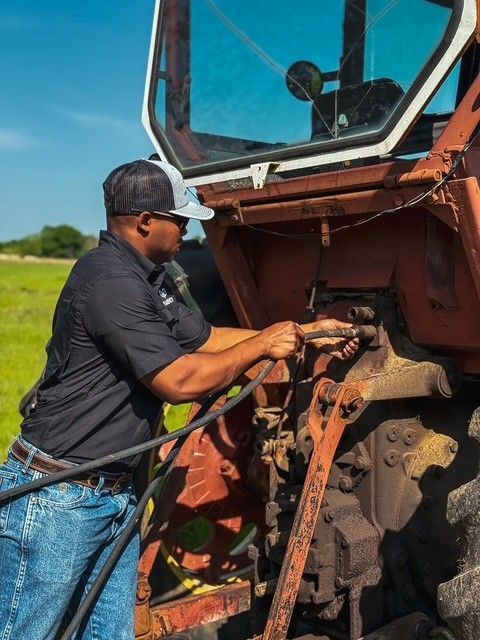
Equipment breakdown insurance provides coverage for unexpected mechanical or electrical failures of essential farm equipment. This includes machinery like irrigation systems, refrigeration units, and milking machines. Such coverage helps mitigate repair or replacement costs that aren't typically covered under standard property insurance.
For instance, if a power surge damages your grain dryer, equipment breakdown insurance can cover the repair expenses and any associated income loss due to downtime. This ensures that your farming operations can resume promptly without significant financial setbacks.
Can I get replacement cost coverage on tractors and farm equipment?
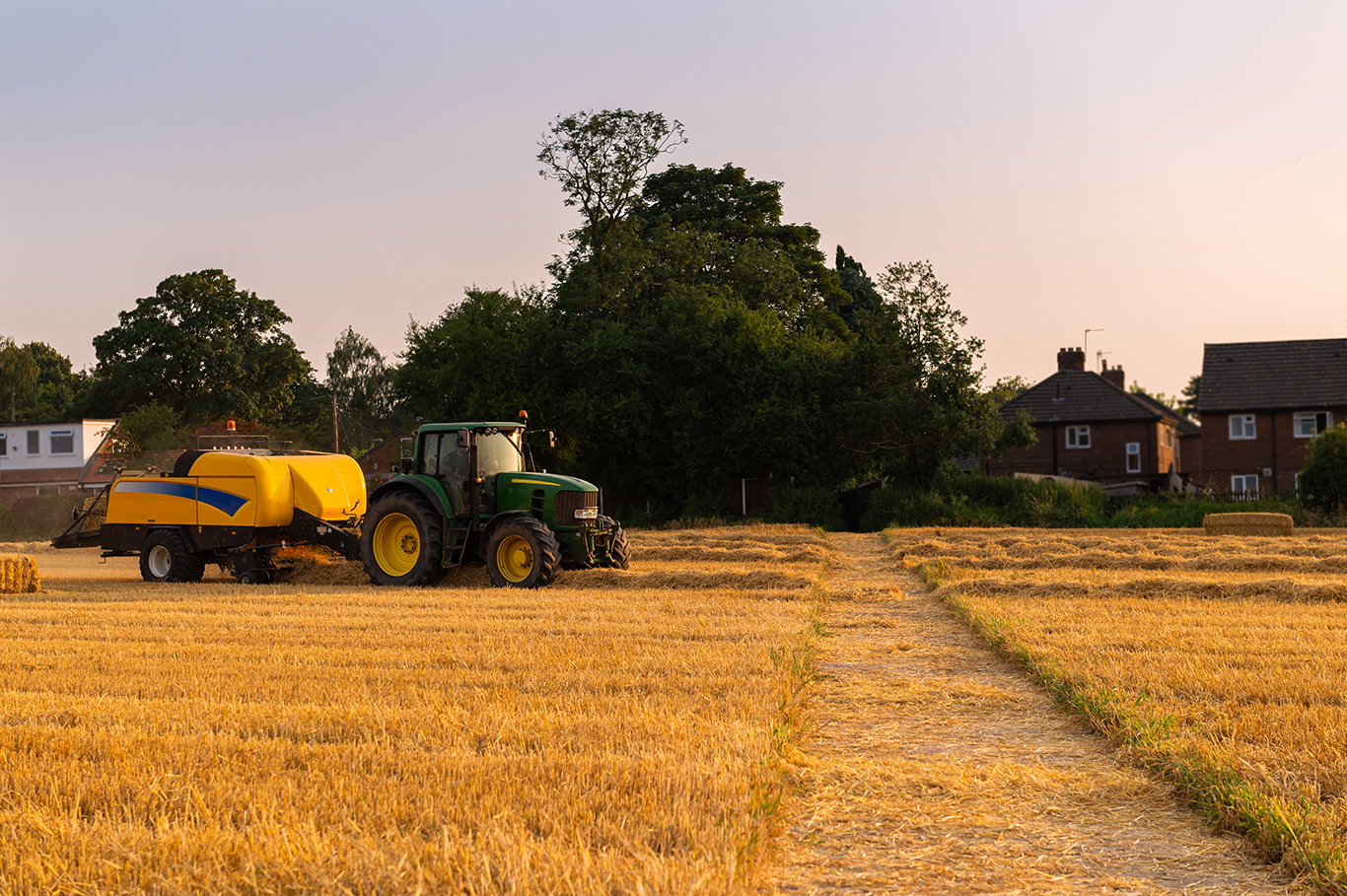
Yes, many insurance providers offer replacement cost coverage for tractors and farm machinery. This type of coverage reimburses you for the cost of replacing damaged equipment with new items of similar kind and quality, without deducting for depreciation.
For example, if your tractor is destroyed in a fire, replacement cost coverage would cover the expense of purchasing a new tractor of comparable specifications. It's important to note that eligibility for this coverage often depends on the age and condition of the equipment.
Do I need farm insurance if I am a hobby farmer?
Absolutely. Even if your farming activities are part-time or not your primary income source, hobby farm insurance is crucial. Standard homeowners insurance policies typically exclude coverage for farming operations, which means structures like barns or equipment like tractors may not be protected.
Hobby farm insurance provides tailored coverage for your unique needs, including protection for outbuildings, equipment, and liability risks. Whether you're selling produce at a local market or simply maintaining a small flock of chickens, this insurance ensures that your assets and activities are adequately covered.

We are licensed in Arkansas, Colorado, Iowa, Kansas, Oklahoma, Tennessee, Texas, Pennsylvania, and Utah.
Helpful Insights for Farmers and Business Owners
Latest Articles from MFI Agency
At MFI Agency, we believe informed clients make better decisions. Our blog shares practical tips on farm and business insurance, industry updates, and strategies to help protect what you’ve built. Whether you're managing crops, equipment, or employees — we’ve got helpful content to guide you.

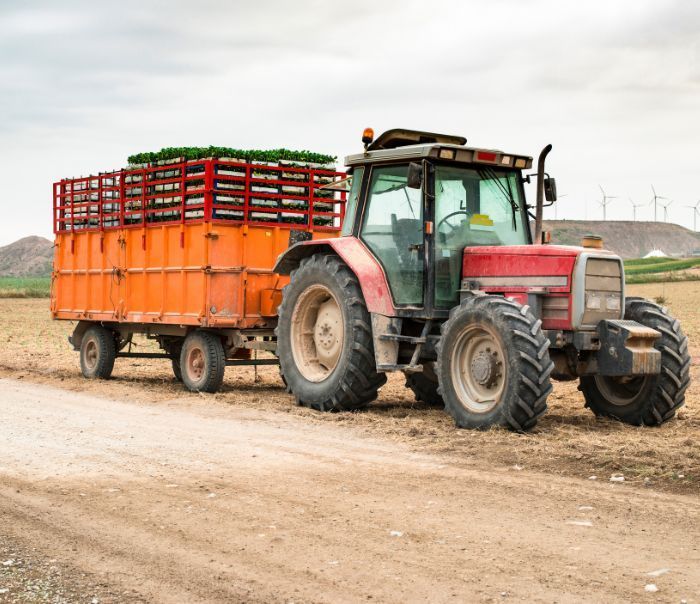
Is Your Farm Truck Covered Off-Road? What Texas Farmers Need to Know About Commercial Auto Insurance
Address
4216 Wesley St.Greenville, TX 75401
Contact Us
info@mfi-services.com
Call Us (903) 551-7903
Agency Hours:
Monday - Friday: 8:00am - 5:00pm
Start Your Insurance Journey with Confidence
Get a Quote from MFI Agency
Protect your farm, ranch, or business today.
Contact Us
Contact Us